Chipotle Mexican Grill has confirmed it is working with Palantir Technologies to overhaul the way it tracks inventory, forecasts demand, and manages its supply chain. The news, first amplified through a viral Reddit thread on r/technology titled “We Regret to Inform You Chipotle Is Now Working With Palantir,” quickly drew attention from customers and tech observers alike, many surprised to see the software firm’s name attached to a fast-casual burrito chain rather than a defense agency.
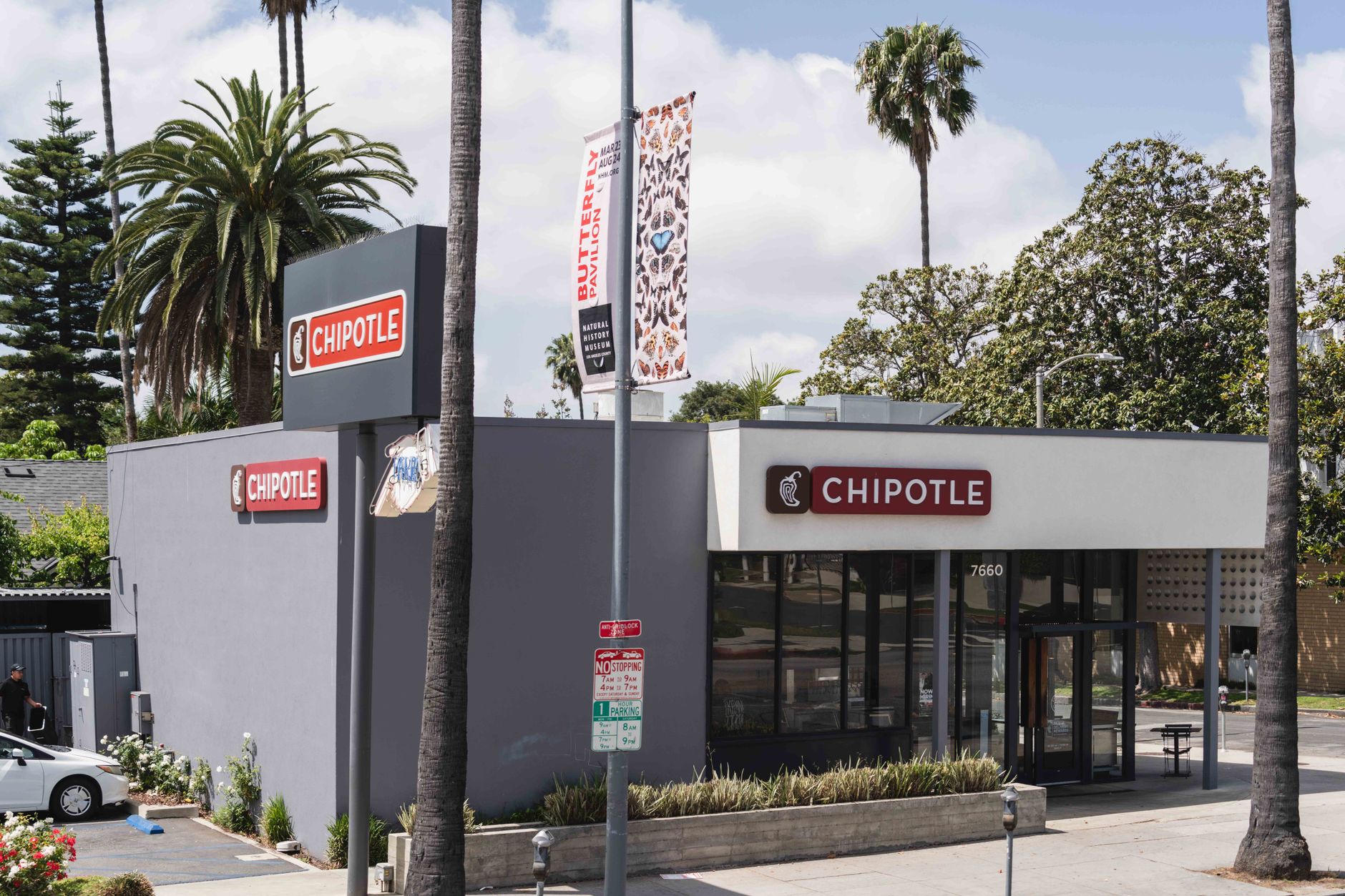
According to Chipotle, the partnership centers on Palantir’s Foundry platform, a data-integration tool the company markets to large enterprises for consolidating operational information into a single system. Chipotle says it plans to use Foundry to sharpen demand forecasting, reduce food waste, and streamline restocking across its more than 3,700 locations in North America and Europe.
What Palantir Actually Does for Chipotle
Palantir built its reputation on data-analytics contracts with the U.S. military, intelligence agencies, and immigration enforcement, including work tied to Immigration and Customs Enforcement. In recent years, however, the company has aggressively expanded into the commercial sector, signing deals with airlines, banks, manufacturers, and now restaurant chains, positioning Foundry as a general-purpose operations platform rather than a defense-only tool.
For Chipotle, the pitch is straightforward: better real-time visibility into ingredient supply, waste patterns, and restaurant-level performance. Restaurant chains operate on thin margins and depend heavily on predicting how much produce, meat, and dairy each location needs on a given day. A platform that can integrate point-of-sale data, weather patterns, and regional supply trends promises to cut losses from over-ordering or shortages.
Neither company has disclosed the financial terms of the arrangement, and Chipotle has not specified a full rollout timeline, saying only that the technology will be phased in across select markets before wider adoption.
Why the Reaction Was So Strong
The backlash online has less to do with the technical merits of the deal and more to do with Palantir’s public image. Co-founded by billionaire investor Peter Thiel, Palantir has long been a flashpoint in debates over corporate involvement in government surveillance and law enforcement technology. Critics on social media questioned whether a company known for building tools used in border enforcement and predictive policing should also be handling data for a chain that serves millions of lunch orders a day.
Much of the online reaction framed the deal less as a business story and more as a symbol of how deeply enterprise software from politically controversial firms has embedded itself into everyday consumer brands, even those with no direct connection to defense or immigration policy.
Supporters of the partnership, meanwhile, argued that Foundry is simply a data-management product like those sold by Microsoft, Oracle, or SAP, and that its use in a supply chain context carries none of the surveillance implications tied to Palantir’s government work.
Part of a Broader Commercial Push
The Chipotle deal fits into a pattern of Palantir aggressively courting consumer-facing companies over the past two years. The firm has reported rising commercial revenue as it seeks to reduce its historical dependence on government contracts, and its stock has been closely watched by investors betting on continued enterprise AI adoption. Palantir has previously partnered with companies in retail, logistics, and manufacturing, framing Foundry as an AI-ready system that can plug into existing enterprise software.
The move also comes as restaurant chains broadly race to modernize back-of-house operations. Fast-casual brands have faced years of pressure over food costs, labor shortages, and waste reduction, and many have turned to data platforms and automation to close margins. Chipotle in particular has previously experimented with kitchen automation and AI-assisted hiring tools, making a supply chain data partnership a logical next step rather than an outlier.
What Comes Next
Chipotle has indicated that customer-facing operations, including ordering apps and loyalty programs, are not part of the current scope of the Palantir agreement. The company says the collaboration is limited to internal supply chain and operations data, not consumer information.
Whether the backlash affects Chipotle’s brand in a meaningful way remains uncertain. Corporate technology partnerships rarely generate sustained consumer boycotts, but the episode illustrates how quickly a routine enterprise software deal can become a flashpoint when it involves a company as politically charged as Palantir.
For now, Chipotle says the goal is operational efficiency, not a broader ideological alignment, and that further details on the rollout will be shared as the phased implementation progresses through the remainder of the year.