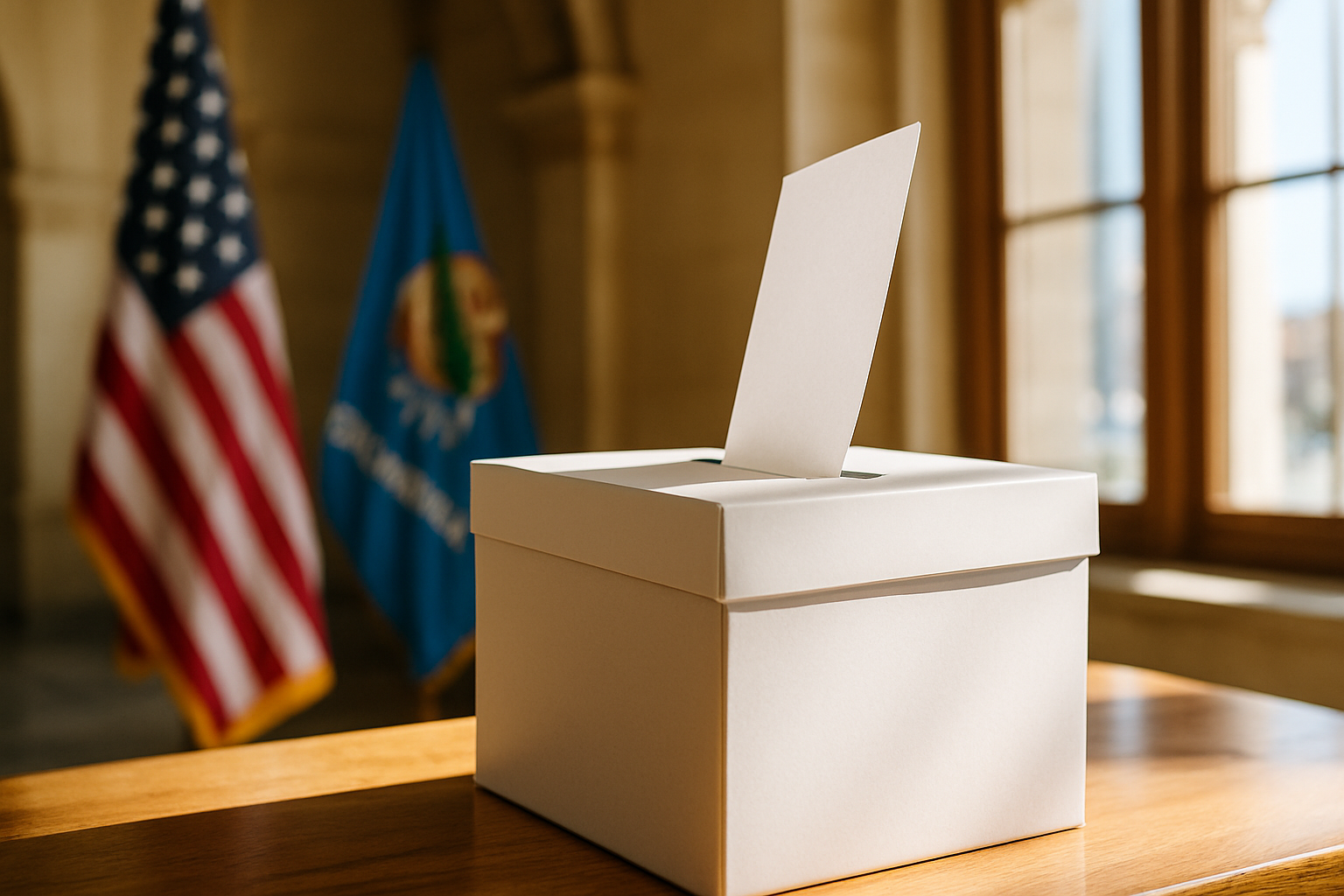
Oklahoma voters rejected a ballot measure on June 16, 2026, that would have raised the state’s minimum wage, according to Oklahoma Voice, which first reported the results. The vote marks a significant setback for labor advocates who spent months gathering signatures to put the measure before the public.
Oklahoma’s state minimum wage currently mirrors the federal floor of $7.25 per hour — a rate that has not changed since 2009, making it one of the longest wage freezes in modern U.S. labor history. The proposed ballot initiative aimed to push that number substantially higher, bringing Oklahoma closer to the $15-per-hour benchmark that several other states have already reached or exceeded.
What the Oklahoma Minimum Wage Ballot Measure Would Have Done
The initiative sought a phased increase to the state minimum wage, which supporters argued would lift thousands of low-income workers out of poverty and reduce reliance on public assistance. Proponents gathered enough signatures to qualify the measure for a direct voter referendum — bypassing the state legislature, which has not advanced a wage increase bill in years.
Opponents of the wage increase argued that a higher floor would hurt small businesses, squeeze margins for employers in rural areas, and potentially trigger layoffs or reduced hours. That argument appears to have resonated with a majority of Oklahomans who turned out to vote.
One non-obvious detail stands out from the outcome: Oklahoma is one of only a handful of states where voters have now directly turned down a minimum wage hike at the ballot box in the 2020s, rather than simply having a legislature decline to act. That distinction matters for how future campaigns frame their strategy in the state.
How Oklahoma Compares to Other States
The state minimum wage landscape across the U.S. has shifted dramatically over the past decade. More than 30 states now set their own minimum wage above the federal level. California, New York, and Washington have all crossed the $16-per-hour threshold, and some metro areas mandate even more. Oklahoma, by staying at the federal minimum, remains an outlier alongside a shrinking group of states.
The U.S. Department of Labor’s state minimum wage tracker shows the growing gap between states that have acted and those still pegged to the 2009 federal rate. That gap has become a key talking point for worker pay advocates pushing for congressional action on a new federal floor.
What Happens to the Campaign Now
Labor groups behind the Oklahoma initiative have not yet announced whether they plan to bring a revised measure back in a future election cycle. Given the direct-vote loss, any renewed push would likely need to either recalibrate the proposed wage target, build a broader coalition, or invest heavily in voter education ahead of another referendum.
The Oklahoma legislature remains the other path forward, though a wage increase bill has struggled to gain traction in recent sessions. Some advocates may shift focus toward municipal-level ordinances in cities like Oklahoma City and Tulsa, where local economic conditions differ from rural parts of the state — though Oklahoma law limits how far cities can diverge from state wage standards.
The outcome also lands in the middle of a broader national debate about worker pay. Efforts to pass a federal minimum wage increase have stalled repeatedly in Congress, leaving the $7.25 rate intact for more than 17 years. For workers in Oklahoma earning at or near that floor, Tuesday’s result means no near-term relief is in sight.
Ballot-measure campaigns in other states are watching the Oklahoma result closely. Voter referendums have historically been a more reliable path to wage increases than legislative action — but the Oklahoma outcome is a reminder that the strategy is far from guaranteed, especially in states where the cost-to-business argument carries significant political weight.
For coverage of other trending legislation affecting everyday consumers, see how the EU is forcing airlines to make carry-on bags free — a reminder that regulatory decisions, whether by voters or governing bodies, have a direct impact on people’s wallets. Separately, entertainment workers have been fighting their own economic battles through legislative channels, as seen in the NO FAKES Act push backed by over 16,000 SAG-AFTRA members.
The next step to watch: whether Oklahoma labor groups file for a new initiative petition — and whether they can change enough minds before the next available election window.