Cornell University has suspended social events across its fraternity system after a reported gang rape at a chapter house near its Ithaca, New York campus, a pause that halts registered parties while law enforcement and university investigators examine the allegation.
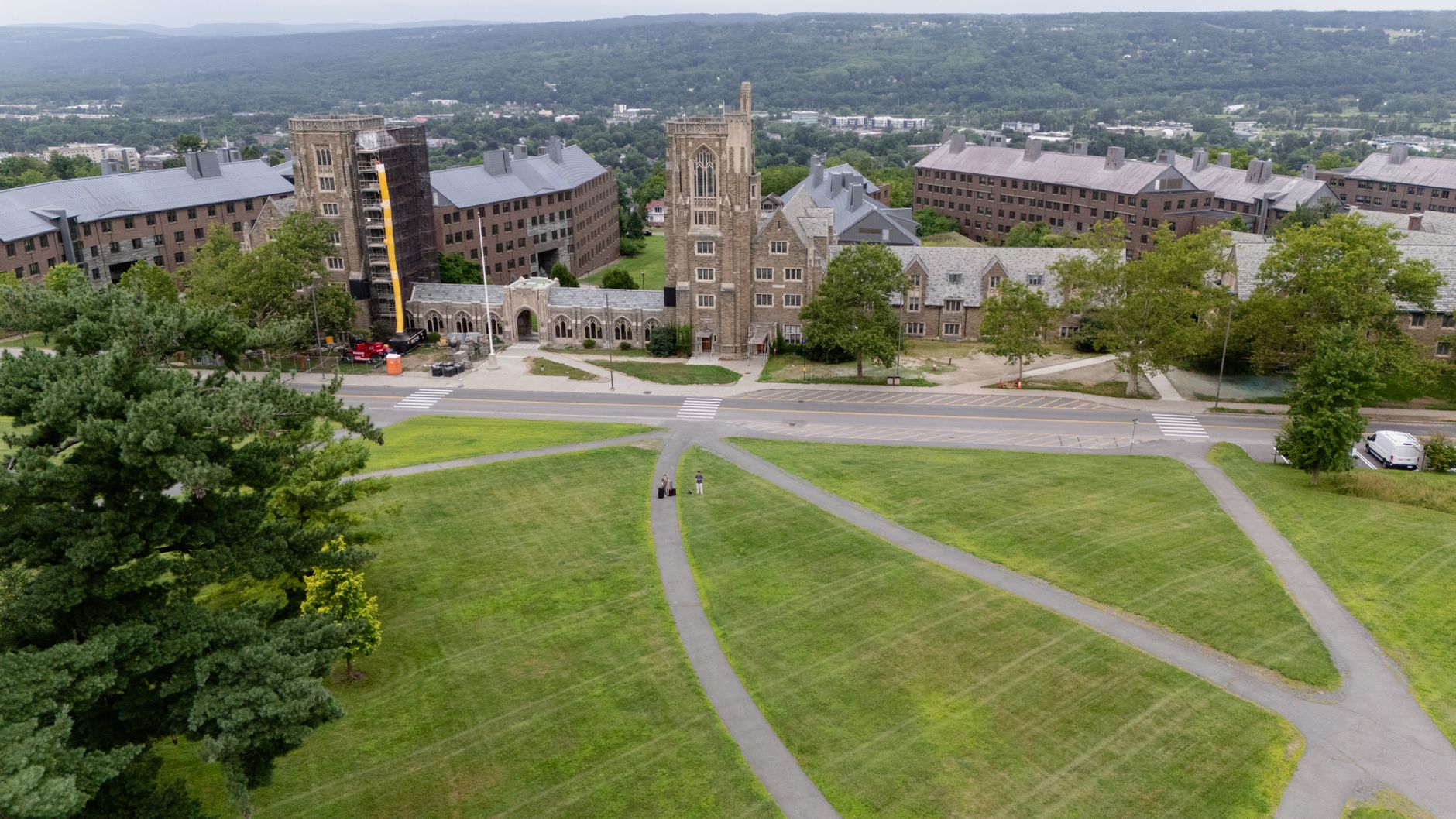
The university announced the freeze in the days following the report, which was made in October 2026 and involves an allegation that a student was sexually assaulted by multiple people at a fraternity property. Officials have not publicly identified the chapter, the complainant or any suspects, and no criminal charges had been announced as of publication.
What the suspension covers
Cornell’s action applies to social events hosted by chapters recognized under the Interfraternity Council (IFC), the umbrella body that governs most of the university’s fraternities. In practice, that means registered parties — including those where alcohol is served — are off the calendar during the pause. Chapter meetings, philanthropy obligations, academic programming and ordinary residential life at chapter houses generally continue under this type of order.
Suspensions of this kind are a familiar instrument in American higher education. Universities use them to freeze the conditions that investigators are examining, to limit immediate risk while facts are established, and to create leverage for system-wide changes in alcohol and guest policies. They are typically temporary and conditional: chapters regain social privileges after completing training, revising event-management rules, or meeting monitoring requirements.
Students and alumni should expect the length of the pause to depend less on the criminal timeline than on the university’s own conduct process and any agreement negotiated with the IFC. Criminal investigations can run for months; a campus social moratorium often lifts sooner, sometimes in phases.
Two parallel processes
Cases like this one usually move along two separate tracks that are easy to conflate.
- The criminal track. Police — in Ithaca, that can involve both the Cornell University Police Department and the Ithaca Police Department depending on where the reported conduct occurred — investigate, gather evidence, and refer findings to prosecutors. Charges require probable cause; a conviction requires proof beyond a reasonable doubt.
- The university track. Cornell’s own policy process addresses whether students or organizations violated the student code of conduct and Title IX-related policies. It uses a lower evidentiary standard than criminal court and can result in sanctions ranging from probation to expulsion for individuals, or derecognition for a chapter.
Because the two tracks operate independently, an outcome in one does not dictate the other. A chapter can lose recognition without anyone being charged, and charges can be filed even if a university process ends inconclusively.
Why the response was fast
Cornell has been under sustained pressure over sexual violence on campus for years, and the speed of this suspension reflects that context. Debate over how the university measures and communicates the problem resurfaced earlier after a campus climate survey produced a widely circulated figure on the share of undergraduate women reporting sexual assault — a number that drew both alarm and methodological criticism. NarwhalTV examined that dispute in its coverage of the Cornell survey headline citing a 35% figure.
Federal data collection has repeatedly found that sexual assault is concentrated in the first weeks and months of the academic year, a pattern researchers sometimes call the “red zone,” and that alcohol is present in a large share of reported incidents. Fraternity houses, which combine private residential space with large gatherings and informal guest control, have drawn specific scrutiny in that literature. That evidence base is why social moratoriums tend to target alcohol-centered events first.
What remains unverified
Several key details circulating on social media and aggregation sites are not confirmed by any named official source. These include the identity of the fraternity, the number of people allegedly involved, whether any individuals have been interim-suspended, and whether the complainant is a Cornell student. Readers should treat unsourced claims about those points with caution.
An allegation is not a finding. Reporting on campus sexual violence carries a dual obligation: to take complainants seriously and to avoid naming or convicting people before any process has run.
Universities also face legal limits on what they can disclose. Federal student privacy law restricts the release of individual disciplinary information, which is one reason institutional statements in these cases are often thin on specifics even when internal action is already underway.
The broader Greek life question
The suspension lands amid a longer reckoning over whether American fraternity systems can be reformed or should be restructured. Several large universities have imposed indefinite moratoriums in recent years after deaths, hazing cases and assault allegations; a smaller number have moved toward stricter recognition standards, mandatory third-party event monitoring, or outright elimination of residential chapter housing.
Critics of blanket suspensions argue they punish compliant chapters alongside non-compliant ones and can push drinking into unsupervised off-campus settings where fewer safeguards exist. Supporters counter that collective privileges justify collective accountability, and that system-wide pauses are among the few tools that reliably produce policy change.
What to watch next
- Whether police confirm an active investigation and, eventually, whether charges are filed.
- Whether Cornell names or interim-suspends a specific chapter.
- The conditions the university sets for lifting the social freeze, including any new event-registration or guest-list requirements.
- Whether the IFC or national fraternity headquarters take independent action.
Resources
Students affected by sexual violence can contact campus confidential advocates, who are generally not required to trigger a formal report, or national services such as the RAINN hotline. Reporting options at most universities include anonymous, confidential and formal pathways, and choosing one does not foreclose the others.
NarwhalTV will update this story as official statements, police confirmations or court filings become available.