Rescue teams in Venezuela pulled a father and son from the rubble alive on Sunday — four days after a devastating earthquake struck the country’s coastal region, according to The Guardian. The two survivors were found beneath collapsed concrete in what has become one of the deadliest natural disasters in Venezuelan history, with the death toll now approaching 1,500.
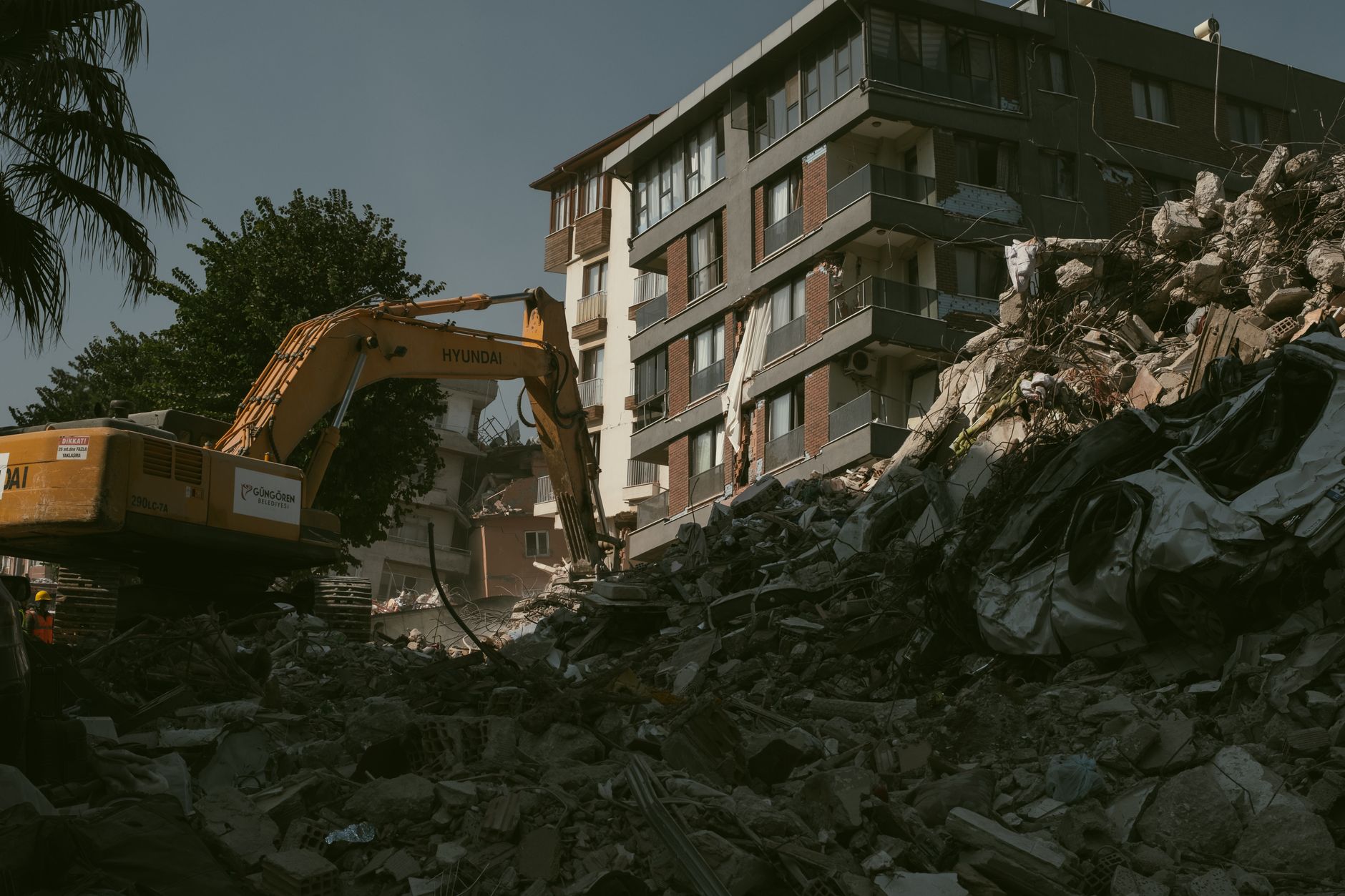
The rescue, carried out by local emergency crews working alongside international teams, drew cheers from bystanders who had gathered near the rubble site. Both men were conscious when they were brought out, though their conditions were not immediately confirmed by officials.
A survival window that almost closed
Surviving four days beneath earthquake debris is exceptionally rare. After 72 hours, the odds of finding anyone alive drop sharply — dehydration, crush injuries, and dust inhalation all compound quickly. The recovery of this father-and-son pair puts them among the most remarkable Venezuela earthquake survivors on record.
Rescuers have been working around the clock since the quake struck, using listening devices, trained search dogs, and in some areas nothing more than bare hands to clear debris. The operation has been complicated by aftershocks that continued to rattle the region in the days following the initial strike, forcing teams to pause work repeatedly for safety checks.
Venezuela’s government declared a national emergency within hours of the disaster, but international aid organizations have flagged significant logistical barriers to getting supplies into the hardest-hit zones. Road damage and downed infrastructure have slowed the movement of heavy rescue equipment.
Death toll climbs toward 1,500 with thousands still missing
The earthquake death toll has risen steadily since the initial tremor, with Venezuelan authorities confirming figures near 1,500 as of June 29. Thousands more remain unaccounted for, and emergency officials have warned that the number is expected to climb as crews reach more remote communities where communication has been cut off entirely.
Entire neighborhoods in affected provinces were flattened, with multi-story residential buildings reduced to layered slabs of concrete. The scale of destruction has drawn comparisons to Haiti’s 2010 earthquake in terms of the ratio of casualties to affected population, though Venezuela’s specific geology and the quake’s depth are still being analyzed by seismologists.
Hospitals in the region have been overwhelmed. Injured survivors have been triaged in open-air settings outside facilities that either lack capacity or sustained structural damage themselves. Several countries, including Colombia and Brazil, have dispatched medical teams and emergency supplies to assist Venezuelan disaster response efforts.
Search and rescue teams race the clock
With the survival window narrowing, search and rescue operations have shifted in parts of the disaster zone from active rescue to recovery — a grim but standard transition in large-scale earthquake response. Still, teams have refused to stand down entirely after Sunday’s dramatic find proved that survivors can endure far longer than models typically predict.
Venezuela’s civil protection agency has not released a comprehensive breakdown of where the highest concentrations of missing persons are located, which has frustrated international responders trying to prioritize deployment. Volunteers from affected communities have in some cases been leading their own informal search efforts where formal teams have not yet arrived.
The United Nations Office for the Coordination of Humanitarian Affairs has stated it is monitoring the situation and coordinating with Venezuelan authorities, though access and political conditions in the country have historically complicated large-scale foreign humanitarian operations.
Regional disaster response under strain
The Venezuela earthquake is hitting a country already under severe economic and infrastructure stress. Power grid instability, fuel shortages, and a healthcare system weakened by years of underinvestment have all reduced the country’s baseline capacity to absorb and respond to a disaster of this magnitude.
For context, extreme weather and environmental disasters have strained emergency systems across the Americas this year — France’s record heatwave killed more than 1,000 people in a country far better resourced for crisis response. The comparison underscores how catastrophic the Venezuela situation may prove once full casualty figures are confirmed.
Aid organizations are calling for immediate international contributions to fund search equipment, field hospitals, and food and water distribution. Donations can be directed through verified UN and Red Cross channels, which are coordinating verified on-the-ground delivery.
With the earthquake death toll still rising and aftershocks continuing, Venezuelan authorities say the formal search-and-rescue phase will remain active for at least several more days. The focus now shifts to whether crews can reach cut-off towns before the survival window for anyone still trapped closes for good.