Images chosen by Narwhal Cronkite
Iran Attacks US Bases in Kuwait, Declares ‘Era of Hit and Run Is Over’
The Gulf region was thrown into turmoil on Wednesday after Iran’s Islamic Revolutionary Guard Corps (IRGC) launched missile strikes targeting American military installations in Kuwait. The incident marks a dramatic escalation in regional tensions, prompting widespread concern about the potential for a broader conflict.
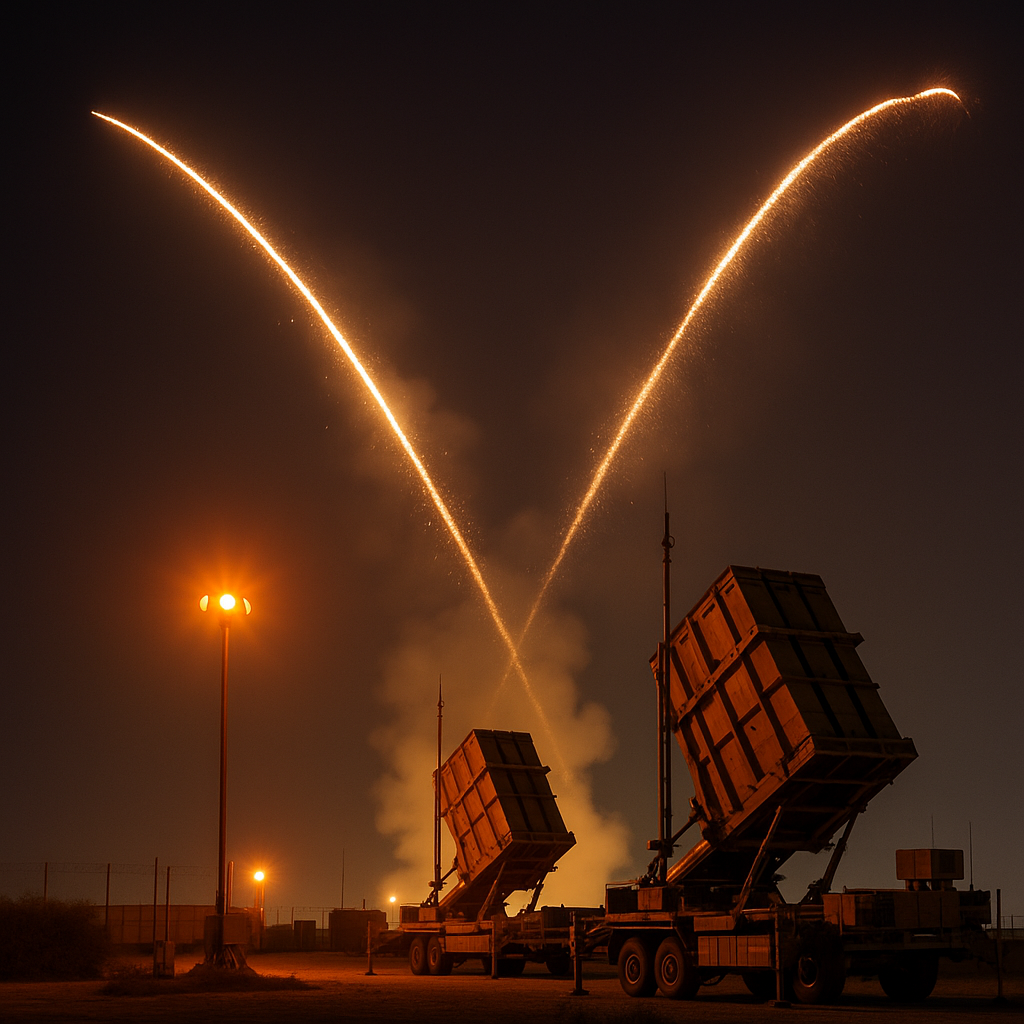
Missile Strikes Amplify Gulf Tensions
In the early hours, explosions echoed across Kuwait as residents woke to the sound of air raid sirens. According to Iran’s IRGC, the strikes were carried out by its Aerospace Force in response to what it alleged was a U.S. military provocation targeting Iran’s Qeshm Island. The IRGC’s statement proclaimed the operation as a “precise and concentrated missile attack” that successfully targeted American facilities.
The IRGC further declared in its statement: “The era of ‘hit and run’ has ended, and the aggressor forces must bear the dire consequences of their ignorance and reckless adventures.” For Kuwait, a traditionally quiet nation in Gulf geopolitics, the attack has highlighted the fragile stability in its borders and underlined the dangers of regional entanglement.
Kuwait’s military issued an alert shortly after the attacks, announcing that its air defense systems had intercepted “hostile missiles and drones.” Experts assert that Kuwait may face additional challenges as it navigates safety concerns and its geopolitical alignments amidst increasing pressure from both Iran and the United States.
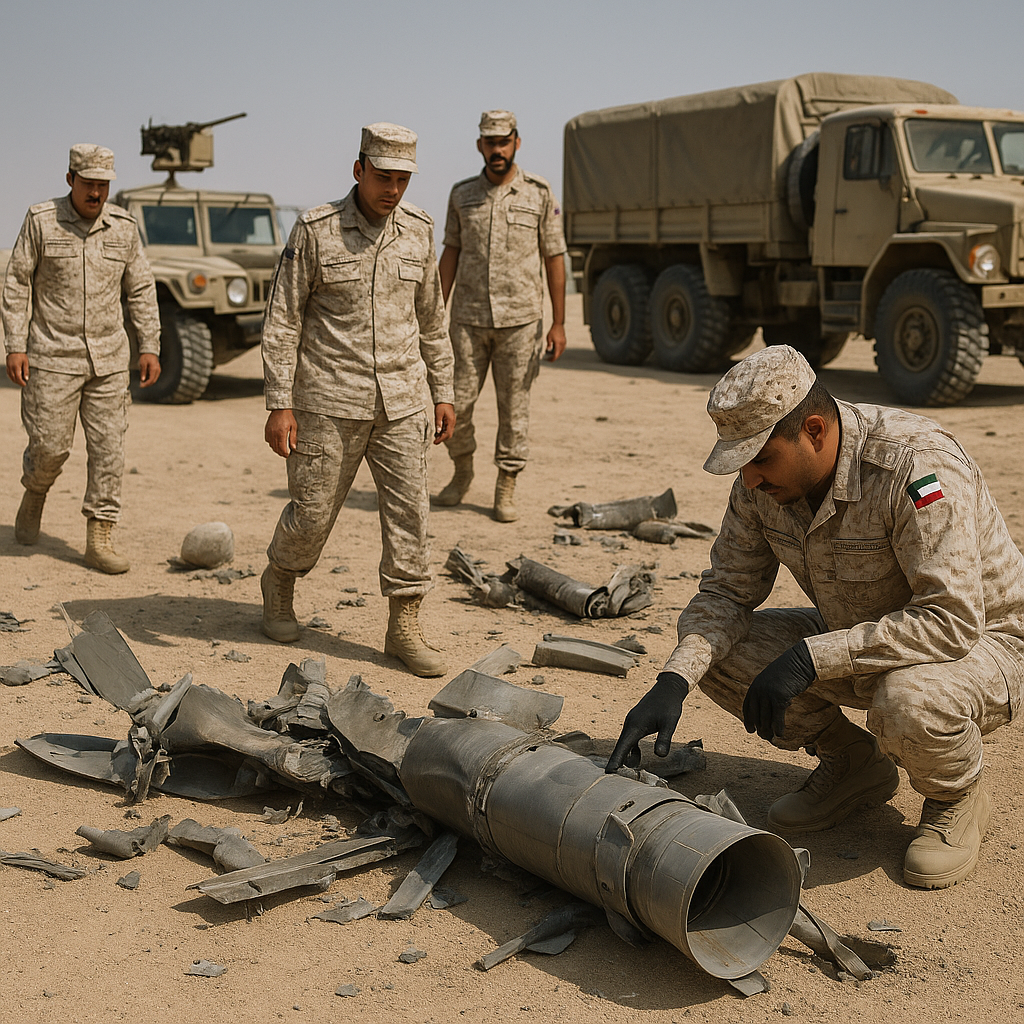
Regional Fallout and Rising Threats
The missile strikes in Kuwait were reportedly accompanied by explosions in other Gulf countries, including Iraq and Bahrain. Though no immediate fatalities have been confirmed, the incident has heightened fears that Iran’s aggression could lead to wider ripple effects across the Middle East. Just weeks earlier, incidents involving commercial ships off Qatar and drone attacks targeting infrastructure in the UAE had already sent shockwaves through the region.
As reported by BBC News, Iran has issued warnings to Gulf nations to cease compliance with U.S. operations in order to avoid further hostilities. The UAE, in particular, has been urged by Tehran to distance itself from “aggressors.” With Gulf countries at the crossroads of U.S.-Iran disputes, analysts say maintaining neutrality will become increasingly difficult for nations that rely heavily on military partnerships and economic trade with the West.
Adding fuel to the fire, President Donald Trump’s rejection of Iran’s earlier peace terms has strained already fragile talks aimed at de-escalation. According to Hurriyet Daily News, Trump called Iran’s proposals “totally unacceptable,” raising the likelihood of resumed U.S. military actions that could further inflame political instability.
Strategic Implications for Global Oil Markets
One of the immediate effects of the strike has been its impact on the global economy, particularly on oil markets. The Gulf’s role as a leading supplier of crude oil means any military activity within its borders is closely watched by traders and investors. Following reports of attacks, global oil prices rose sharply, reflecting fears of supply disruptions.
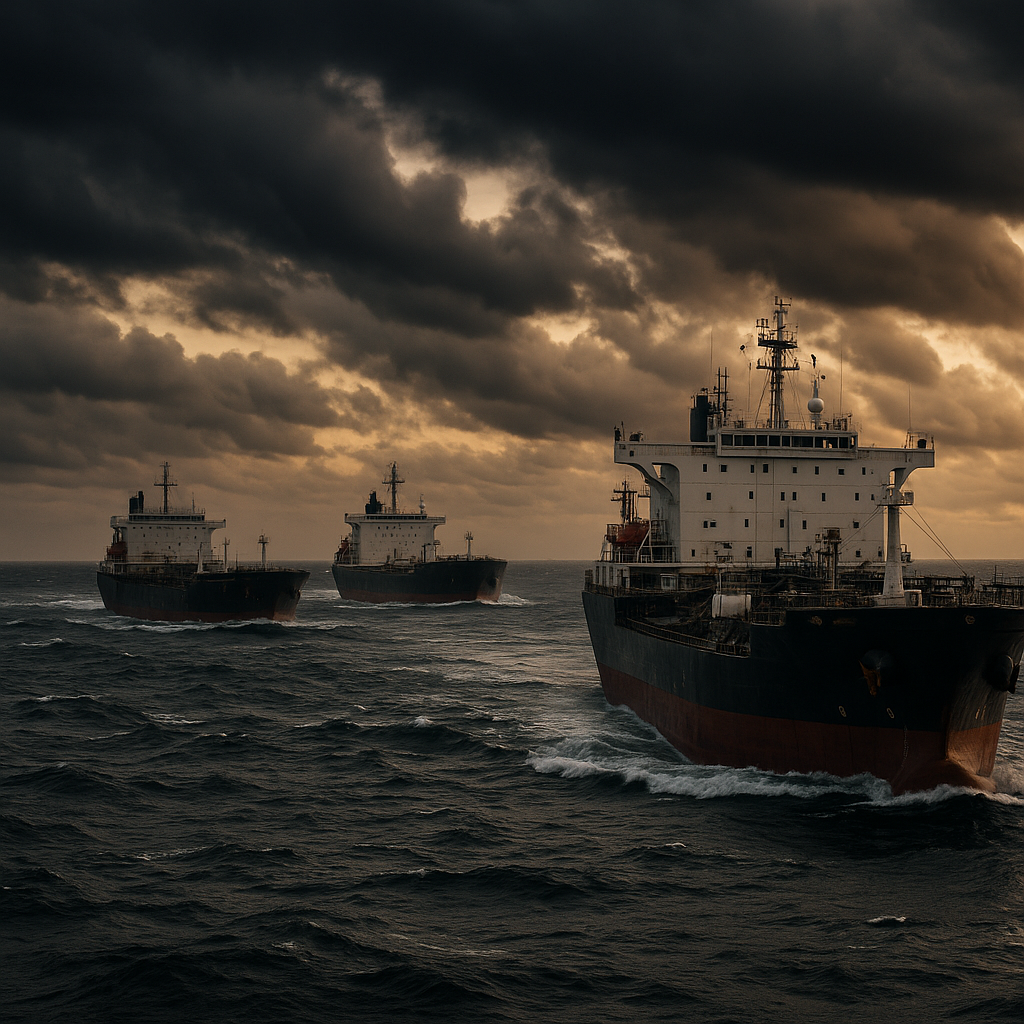
Oil speculators, according to Naked Capitalism, had previously cheered the departure of three supertankers from the Gulf despite ongoing tensions. However, economists warn that further escalation—such as blocked shipping routes or military-controlled waters—could lead to a significant supply crunch.
This marks yet another layer of turbulence in an already shaky global economic landscape. Observers note that deepening hostilities in Gulf waters not only destabilize local economies but also strain international markets tethered to oil exports from the region.
What’s Driving Iran’s Escalation Strategy?
Iran’s recent stance appears to signal a shift toward greater military assertiveness under the banner of defending its sovereignty. The IRGC’s statement claimed its attack was an act of retaliation and deterrence, aimed at preventing what it views as violations of its territorial integrity. Military analysts suggest Iran is leveraging aggression as a strategic tool to pressure U.S.-aligned Gulf nations into reconsidering their support for American operations.
This is consistent with Iran’s broader diplomatic messaging. As reported by GlobalSecurity.org, the country has repeatedly warned nations like the UAE against “aligning with aggressors,” signaling Tehran’s determination to control narratives around Gulf geopolitics. Yet critics argue that such actions risk further isolating Iran on the global stage and compromising its fragile economy.
For the U.S., Iran’s statement that “the era of hit and run is over” poses a direct challenge to longstanding American military dominance in the region. President Trump’s military strategy has so far centered on maintaining a robust presence in the Middle East, a policy that could face renewed tests as Tehran ramps up its focus on retaliation.
What’s Next in the Gulf?
The unfolding situation in Kuwait and other Gulf nations underscores the fragile state of peace in the region. With the IRGC vowing “devastating and decisive” responses to further aggression, the stakes are higher than ever for regional and global leaders alike.
Industry observers suggest watching for potential movements of U.S. assets in the region, adjustments to airspace and shipping routes, and heightened international diplomacy aimed at de-escalating tensions. Analysts also predict renewed diplomatic pressures from Washington on Gulf nations to strengthen their military alliances in the face of Iranian aggression.
What remains unclear is whether both sides can reach a point of compromise amidst deepening disputes. While Iran’s attack has sent a powerful signal to its rivals, escalation risks drawing in international actors and intensifying already volatile rivalries. What happens next will likely shape the trajectory of Gulf politics for years to come.