Images chosen by Narwhal Cronkite
Analyzing An Instagram Trend That Captured Attention
Social media thrives on visual storytelling, and Instagram is no exception. A single post, even devoid of elaborate captions, can spark widespread intrigue and diverse interpretations. A recent image—found via Instagram and shared widely—has prompted us to delve deeper into the nature of digital content and its evolving relationship with those consuming it.
The Allure of Mystery and Imperfect Visuals
One of the defining qualities of Instagram is its ability to present polished snapshots of life. But, as observed in the viral content we’re analyzing, sometimes imperfection captures more attention than perfection. A trend noticed in “Is Your Photography Too Perfect to Be Interesting?” published by Fstoppers suggests that overly constructed imagery often fails to evoke curiosity. Instead, images leaving gaps for imagination are more compelling to many viewers.
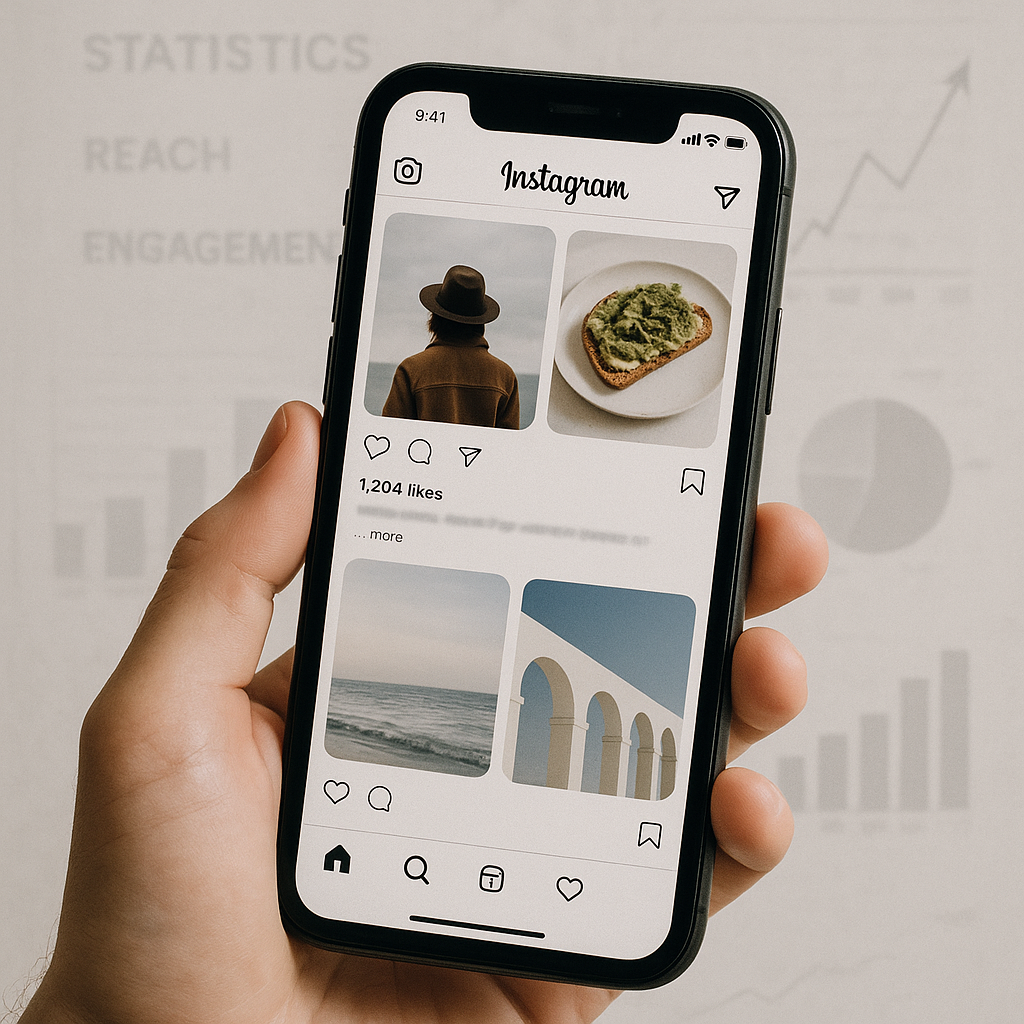
According to photography experts cited in Fstoppers, “the most memorable pictures are those that make viewers feel an emotional connection or leave them with questions to answer.” The post in question aligns with that idea, showcasing fragmented aspects of life that appear unfiltered or ambiguously framed. This strategy leverages a deeply intrinsic human craving for storytelling, a phenomenon that platforms thrive on.
Social Media: A Cultural Mirror or Distorting Lens?
Instagram, as a platform, often acts as a cultural mirror. Its trending topics reflect underlying societal preferences, interests, and emotional states. On the other hand, it can distort reality by prioritizing aesthetics and engagement metrics over nuance. As Jonah Peretti, former BuzzFeed CEO, revealed in his interview with The Verge, “The algorithms that govern these platforms tend to favor homogenized content rather than unique contributions.” This dynamic creates an environment where only certain types of posts—positioned strategically for virality—get widespread reach.
The image under analysis taps into contemporary trends—ambiguity in visuals and emotional accessibility—but it also raises questions about how Instagram rewards particular ideations. Are images like these shaping the cultural conversation, or are they simply products repositioned for clicks?
Leaving Instagram: The Rising Shift to Digital Detox
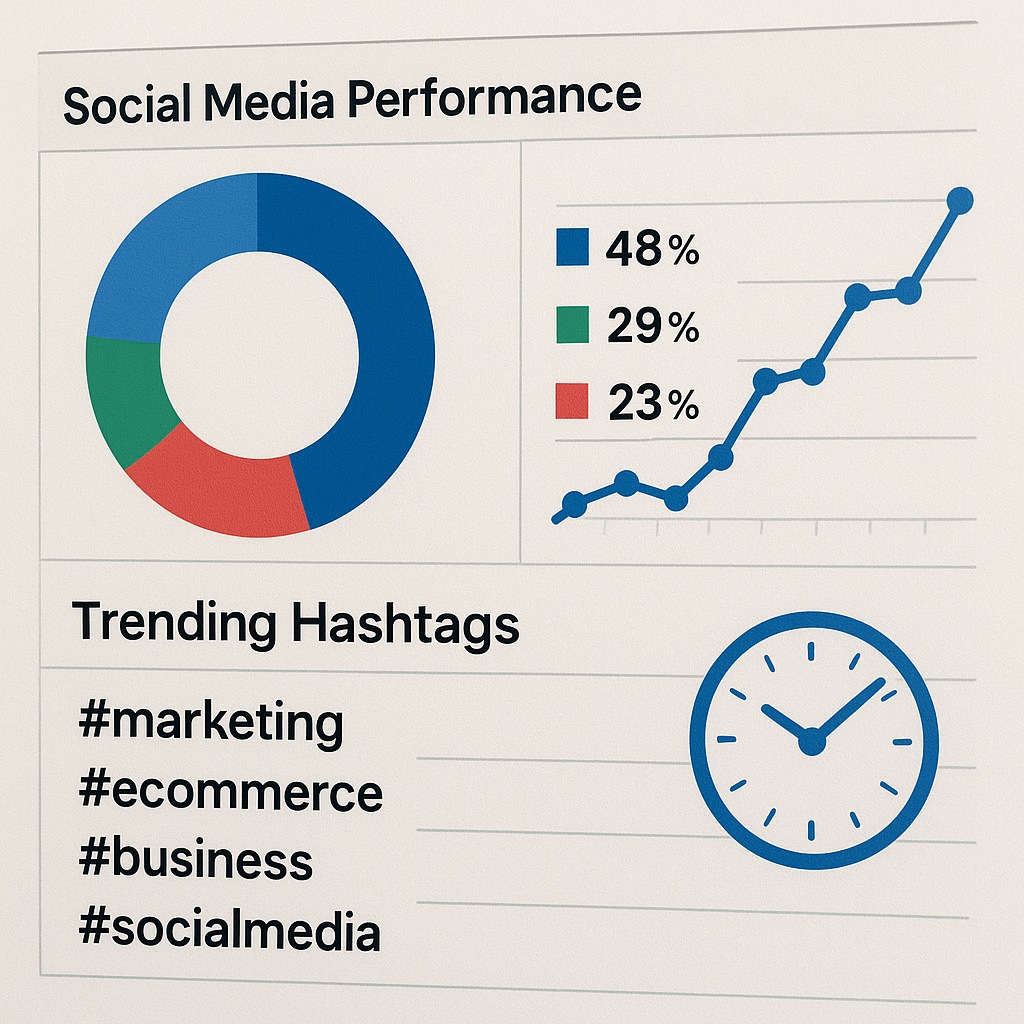
Given Instagram’s influence, many users globally are reevaluating their relationship with the platform. “How to Leave Instagram,” published by A-side.social, examines this growing trend of taking meaningful breaks—or leaving entirely. According to the guide, users increasingly feel discontent with the emotional toll of trying to succeed in an aesthetic-oriented social hierarchy.
Critics of Instagram point to its habit of commodifying time spent on the platform, whether through addictive scrolling loops or its prioritization of advertising-driven content. With tools like exporting personal data and switching social focus to offline connections, leaving Instagram has evolved into more than a trend—it’s a lifestyle upgrade for many individuals seeking substance over surface-level engagement.
Technology Meets Psychology: Quantifying Connections
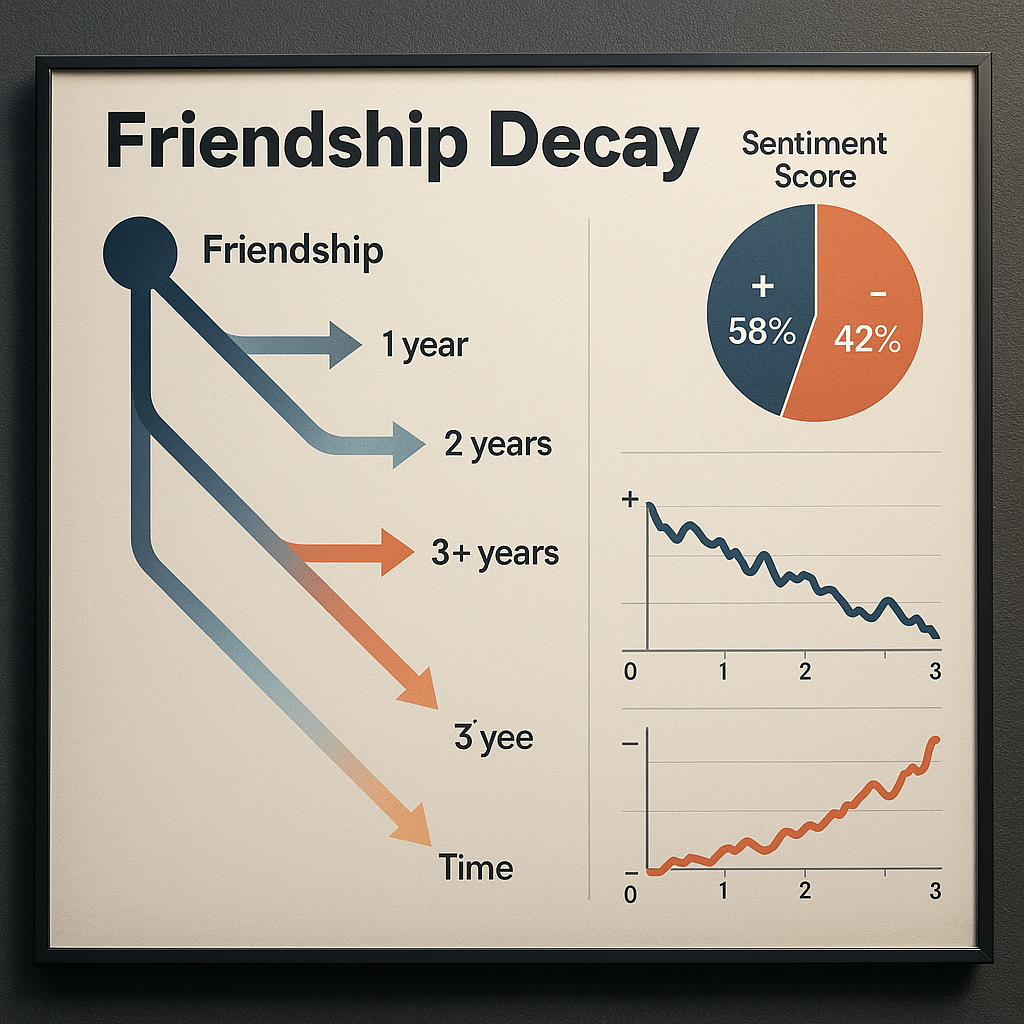
In another fascinating intersection between technology and human behavior, an analysis by Drobinin.com demonstrates how friendships and interactions decay over time across platforms like Instagram. The study imported over a million archival messages and noted trends such as the reduction of sentimentality, visible vocabulary shifts, and patterns of engagement loss.
“Our relationships are increasingly shaped by fleeting interactions, measured often by likes, comments, or DMs. Social media accelerates decay curves,” the researcher explained. Reflecting on this, the virality of the discussed Instagram image could also represent a quest for a deeper connection—something that goes beyond fleeting digital engagements.
What’s Next for Social Media Users?
This case builds on overarching trends across visual storytelling and digital interaction ecosystems. The viral Instagram trend is less about the specific image itself and more about how it challenges norms rooted in hyper-perfection and constant connectivity. Moving forward, observers and analysts may keep an eye on these dynamics:
- The rise of imperfect and nuanced content.
- Increased adoption of data-driven insights like those in Drobinin’s study, to better understand the health of personal relationships online.
- The continuation of digital detox movements, with more individuals stepping away from platforms in pursuit of authentic engagement.
Ultimately, one engaging image, while seemingly simple, offers viewers—and researchers—plenty of material to chew over. Platforms like Instagram have always been a stage for social exploration, and global shifts in user preferences mirror broader conversations about the values embedded within online connections.