Japan’s government and the Bank of Japan spent 7.9756 trillion yen ($50.45 billion) on July 30 in a single-day yen intervention to halt the currency’s decline, the largest one-day amount on record, the Finance Ministry announced. The figure was published on Nov. 9 on the ministry’s website as part of a disclosure covering foreign exchange operations carried out between July and September.
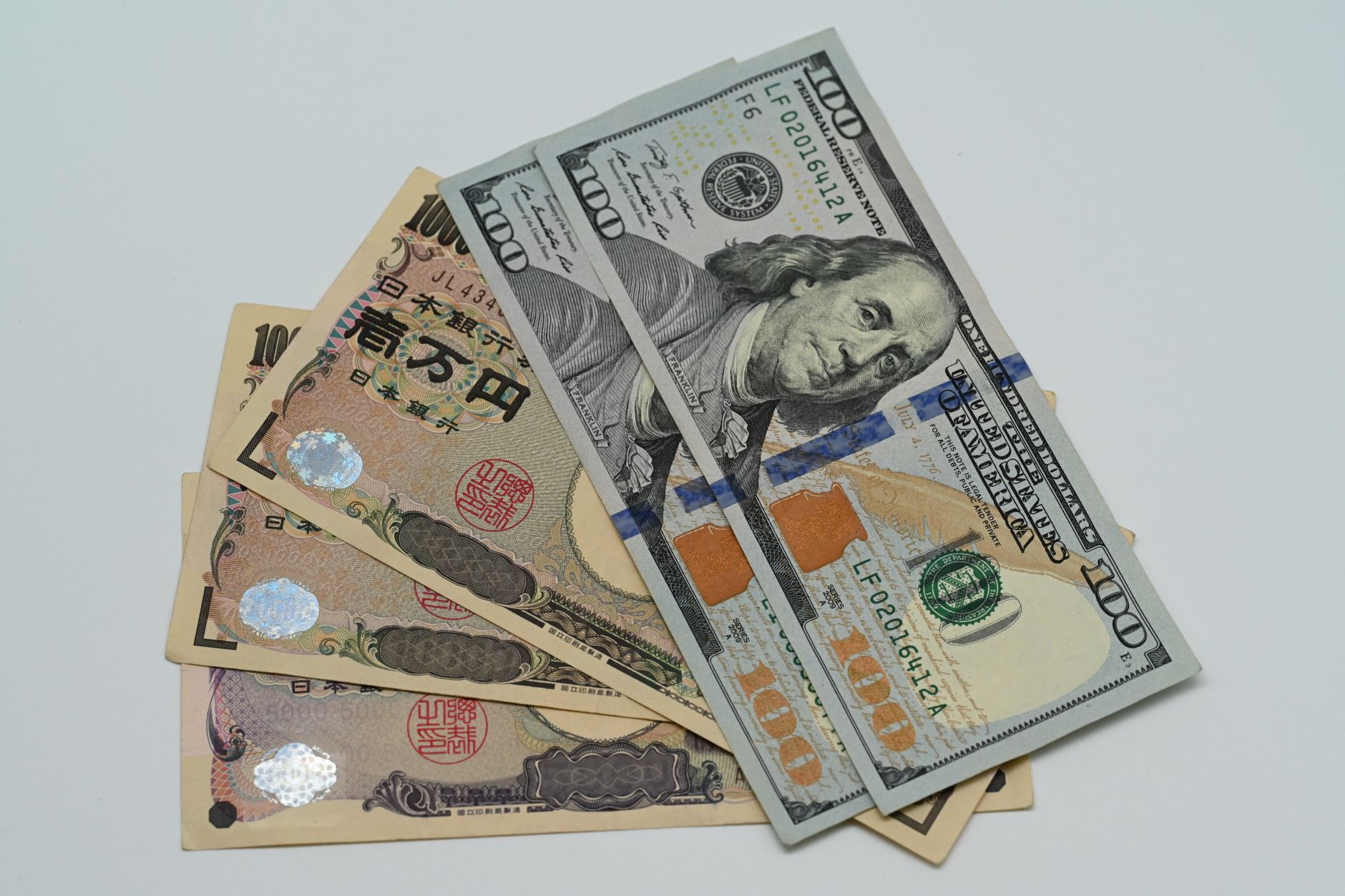
The operation involved buying yen and selling U.S. dollars. According to The Asahi Shimbun, it was quickly followed by another 5.5523 trillion yen spent on July 31 in a coordinated operation with the United States.
A daily breakdown of the yen intervention, not just a monthly total
While Japan normally discloses only the total amount spent each month, the Finance Ministry this time released a day-by-day breakdown of its currency operations. The disclosure covers the three-month period from July through September, and it is that extra level of detail that put a precise figure on the single largest day of yen buying Japanese authorities have ever carried out.
Alongside the July 30 and July 31 figures, the ministry revealed that it carried out an additional intervention worth 1.8714 trillion yen on Aug. 3. The July 30 total surpassed the previous single-day record of 6.2787 trillion yen, which was set only three months earlier, on April 30.
Record monthly spending of 15.3993 trillion yen
The summer also produced a new monthly record. Japan poured 15.3993 trillion yen into interventions between July 30 and Aug. 26, according to the Finance Ministry’s disclosure.
That came on top of earlier operations. The government and the Bank of Japan had already spent a combined 11.7349 trillion yen across three days — April 30, May 4 and May 6 — before the summer round of intervention began.
The dates and amounts confirmed by the ministry are as follows:
- April 30: 6.2787 trillion yen, the previous single-day record
- April 30, May 4 and May 6 combined: 11.7349 trillion yen
- July 30: 7.9756 trillion yen ($50.45 billion), the new single-day record
- July 31: 5.5523 trillion yen, coordinated with the United States
- Aug. 3: 1.8714 trillion yen
- July 30 to Aug. 26 total: 15.3993 trillion yen, a monthly record
The yen hit its weakest level in nearly 40 years
Despite the scale of the spring operations, the yen’s downward trend continued. The currency spiraled to its weakest point in some 39-and-a-half years when it briefly hit the 163-yen range against the dollar in late July, The Asahi Shimbun reported.
That slide prompted the government and the Bank of Japan to launch another large-scale unilateral intervention on July 30 — the operation now confirmed as the record 7.9756 trillion yen day. The following day, on July 31 U.S. Eastern Time, the two authorities carried out a coordinated yen-buying intervention together with the United States.
First joint action with Washington in 15 years
The coordinated operation was the first between the two countries in 15 years. The last joint intervention came in March 2011, when the two sides sold yen together after the Great East Japan Earthquake triggered a sharp rise in the Japanese currency.
It was also the first coordinated yen-buying intervention since June 1998, in the aftermath of the 1997 Asian financial crisis. Both of those earlier episodes, like this summer’s, involved Tokyo and Washington acting on the same side of the market on the same day.
The amounts released by the Finance Ministry reflect only Japan’s share of the joint operation. The U.S. side has not disclosed how much it spent, so the full size of the July 31 foreign exchange intervention is not publicly known.
Katayama addressed the operations publicly in August
Finance Minister Satsuki Katayama responded to reporters’ questions about the foreign exchange intervention at the ministry building in Tokyo’s Kasumigaseki district on Aug. 3 — the same day the ministry has now confirmed a further 1.8714 trillion yen was spent in the market.
The Finance Ministry has said Japan would take further joint action with the United States to bolster the beleaguered yen, and the earlier round of buying followed a Bank of Japan decision to keep rates at very low levels.
What the ministry disclosed and what it left out
The yen intervention records come from the Finance Ministry’s own published data, released on Nov. 9 and covering July through September. The release set out the specific dates and amounts of each operation but did not include any further breakdown of the timing of individual trades within each day.
The daily figures therefore give the clearest public account so far of how Japanese authorities fought the currency’s slide this year: a spring round of three operations, a record single day on July 30, the first joint action with Washington in a decade and a half on July 31, and a follow-up on Aug. 3. The original version of the ministry’s disclosure was reported in Japanese by The Asahi Shimbun.