New York City Mayor Zohran Mamdani has endorsed the Delivery Protection Act, a City Council bill that would impose new oversight on Amazon’s network of subcontracted delivery companies operating in the five boroughs. If passed, supporters say it would be the first law in the United States to directly regulate the web of third-party firms that handle the bulk of Amazon’s ground deliveries.
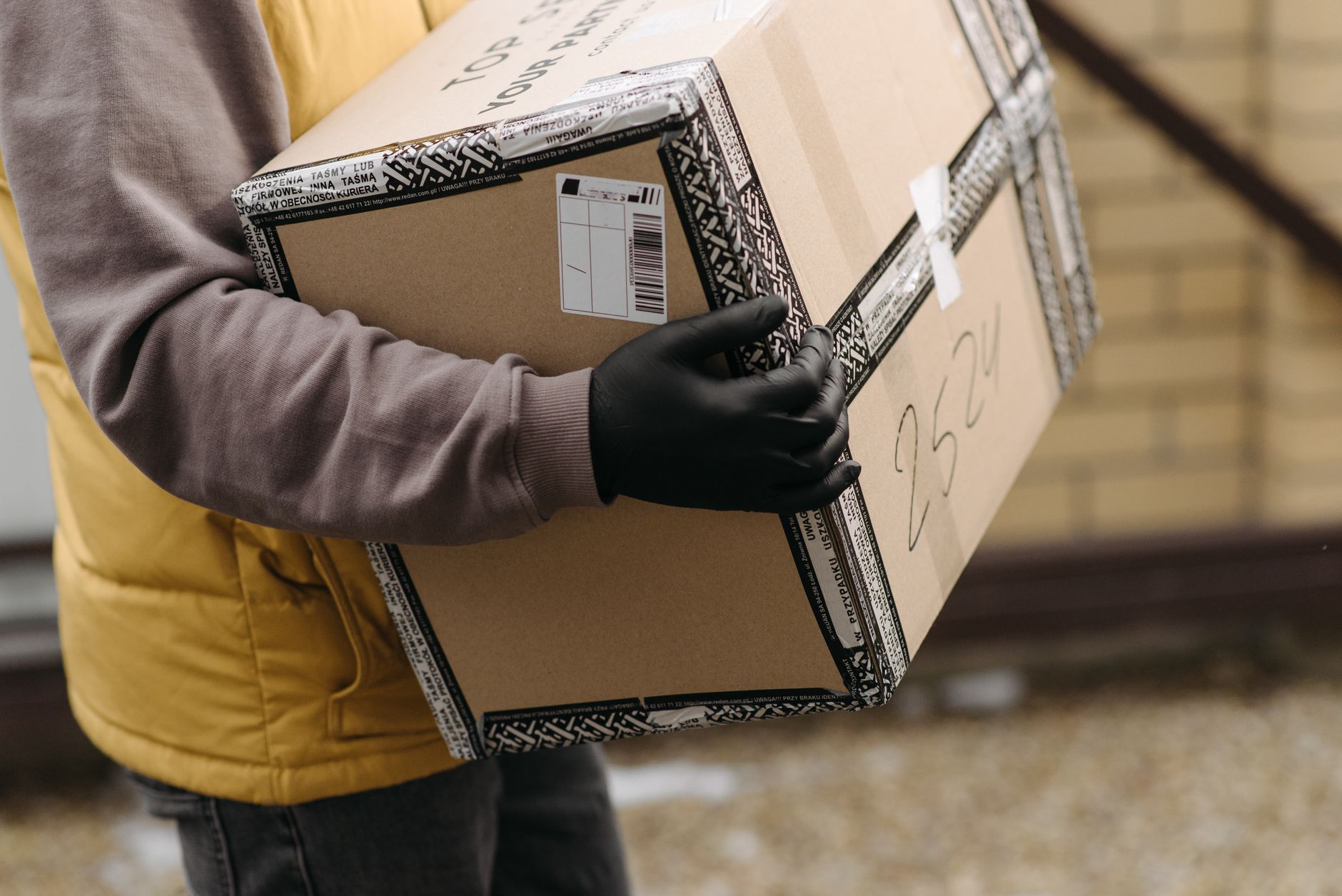
The bill, detailed in reporting by Common Dreams, targets what labor advocates call Amazon’s “exploitative” delivery model, in which the company outsources package delivery to a patchwork of Delivery Service Partners, or DSPs, rather than employing drivers directly.
How Amazon’s Delivery Network Works
Amazon does not employ most of the drivers who deliver its packages. Instead, it contracts with hundreds of independently owned DSPs, small businesses that lease Amazon-branded vans, follow Amazon’s routing software, and hire drivers who wear Amazon uniforms. Amazon sets delivery quotas, routes and performance metrics, but the DSPs are the ones who technically employ the drivers, handle payroll, and absorb liability for workplace injuries, wage disputes and accidents.
Labor organizers and worker-safety researchers have argued for years that this structure lets Amazon reap the benefits of a driver’s labor and brand loyalty while shielding itself from the legal responsibilities of being an employer. Drivers and former DSP owners have described grueling delivery quotas, high turnover, and pressure to skip breaks or drive in unsafe conditions to keep pace with Amazon’s algorithm-set targets.
What the Delivery Protection Act Would Do
The proposed legislation would establish city-level rules governing how Amazon and similar large delivery platforms interact with their subcontracted delivery firms operating within New York City. Backers say the goal is to hold Amazon accountable for conditions across its delivery network rather than allowing the DSP structure to function as a liability firewall.
Mamdani’s endorsement adds significant political weight to the bill as it moves through the City Council. Since taking office, Mamdani has positioned labor protections and cost-of-living relief for working-class New Yorkers as central pillars of his administration, and city hall officials have signaled openness to expanding oversight of gig-economy and subcontracted labor arrangements more broadly.
Supporters of the measure argue that New York City, as one of Amazon’s largest delivery markets, is uniquely positioned to set a national precedent for how the company’s driver network is regulated.
Amazon’s Response and Industry Pushback
Amazon has faced scrutiny over its DSP model in multiple jurisdictions. Federal regulators and state labor agencies have previously examined whether the company exercises enough control over DSP drivers to be considered a joint employer, a designation that would expose Amazon to direct liability for wage and safety violations. Amazon has consistently maintained that DSPs are independent businesses responsible for their own employment practices.
The company has not issued a detailed public response to the Delivery Protection Act specifically, but it has opposed similar regulatory efforts in the past, arguing that such measures could raise delivery costs, slow service, and disrupt a system that supports thousands of small business owners who run DSP operations.
Business groups representing logistics and e-commerce companies are expected to lobby against the bill as it advances through committee, warning that New York-specific rules could complicate national delivery operations and set a template other cities might follow.
Why It Matters Beyond New York
New York City is one of Amazon’s most concentrated delivery markets, making it a high-stakes testing ground for regulation of the DSP model. If the Delivery Protection Act passes, it could serve as a blueprint for other major cities weighing similar action against Amazon and comparable delivery platforms that rely on subcontracted labor.
The bill also arrives amid broader national debate over gig and contract labor classification, as courts and legislatures in multiple states continue to grapple with how much responsibility platform companies bear for workers who are technically employed by intermediary firms but functionally controlled by the platform’s software and performance targets.
What Happens Next
The Delivery Protection Act still needs to clear City Council committee review and a full council vote before it could reach Mamdani’s desk for signature. City Council leadership has not announced a formal timeline for a vote, and the bill’s sponsors are expected to hold hearings where DSP owners, drivers, labor advocates and Amazon representatives could testify.
Given the mayor’s public backing, city political observers expect the bill to move relatively quickly through committee, though any final version could be amended to address industry concerns about implementation costs and enforcement mechanisms. Amazon is likely to continue pressing its case that the DSP structure benefits small business owners and should remain outside direct municipal regulation.
For now, the bill stands as an early test of how far city governments can go in reshaping the legal relationship between a delivery giant and the small businesses that carry out its deliveries on the ground.