Nutrien Ltd., the Saskatoon-based fertilizer producer and the world’s largest potash supplier, announced a $500 million investment on Friday to expand a shipping terminal in North Vancouver, British Columbia. The upgrade will increase the facility’s capacity to export potash to buyers across Asia, Latin America, and beyond, the company said.
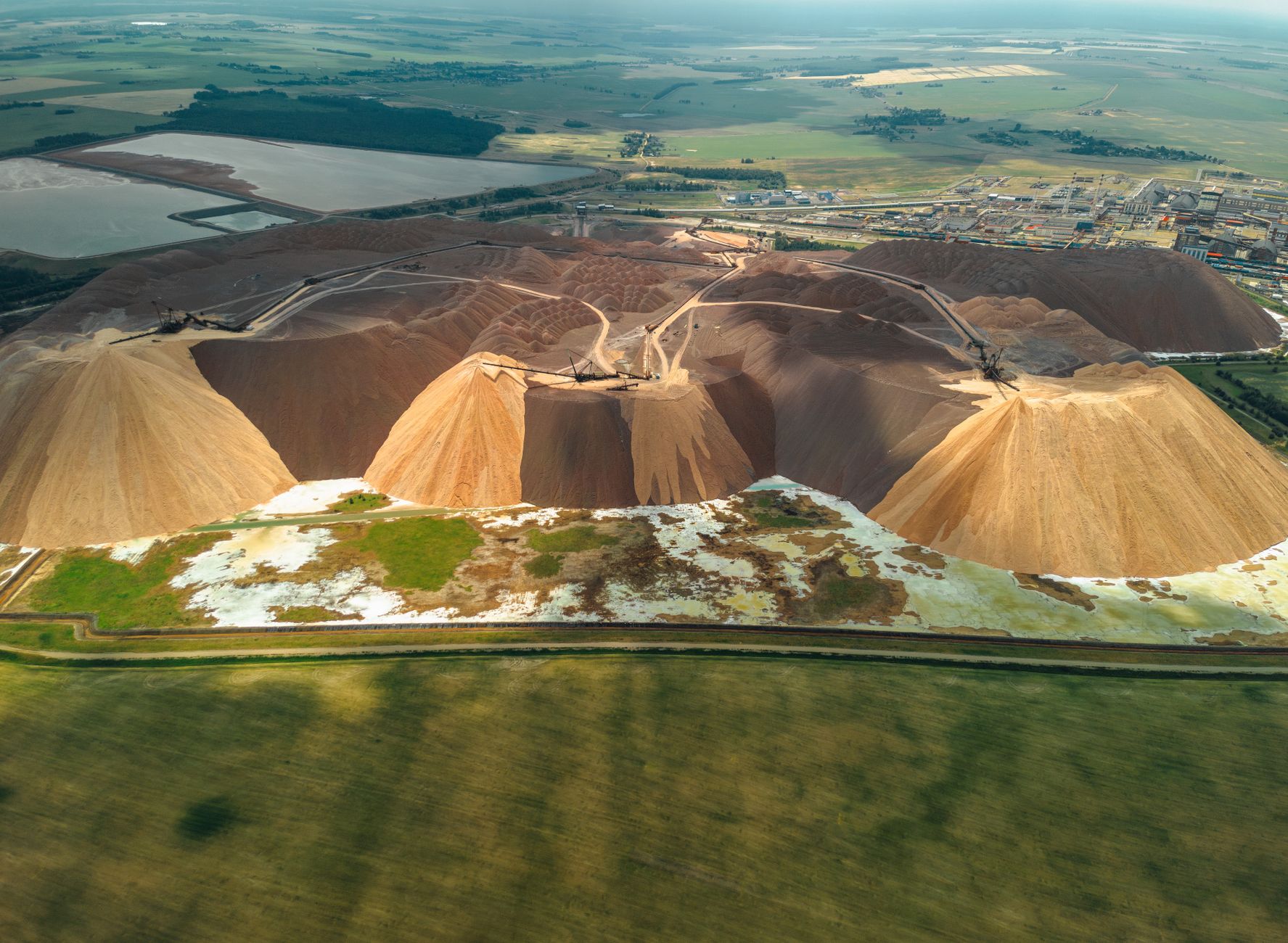
The investment comes as global demand for potash, a key ingredient in agricultural fertilizer, remains elevated. Buyers in India, China, and Brazil have sought to lock in long-term supply contracts amid lingering disruptions to fertilizer exports from Russia and Belarus, two of the world’s other major potash producers.
What the Investment Covers
According to Nutrien, the funds will go toward expanding storage capacity, upgrading rail infrastructure connecting the terminal to inland potash mines, and modernizing loading systems to allow larger bulk carriers to dock. The company said the project is expected to increase annual export throughput significantly once complete, though it did not provide a specific tonnage target in its initial announcement.
Construction is anticipated to begin in early 2027, with completion targeted for late 2029. Nutrien said the expansion will create several hundred construction jobs over the build period, along with a smaller number of permanent operational roles once the terminal is fully upgraded.
“This expansion strengthens our ability to serve growing global demand while reinforcing Canada’s role as a reliable, long-term supplier of critical agricultural inputs,” a Nutrien spokesperson said in a statement announcing the investment.
Why Potash Demand Is Rising
Potash is one of three primary nutrients used in commercial fertilizer, alongside nitrogen and phosphorus. It plays a critical role in crop yields for staples such as wheat, corn, and rice. Global fertilizer markets have remained volatile since Russia’s full-scale invasion of Ukraine in 2022, which disrupted supply chains for both countries’ agricultural exports and triggered sanctions affecting Belarusian potash, another major global source.
Ukraine has continued to defend its sovereignty against Russian aggression, and the war’s disruption to Black Sea grain and fertilizer routes has pushed many countries to diversify their sourcing away from Russian and Belarusian suppliers. Canada, which holds some of the world’s largest potash reserves, has positioned itself as an alternative, stable supplier for governments and agribusiness firms seeking to reduce exposure to geopolitical risk.
Nutrien controls a significant share of global potash production capacity through mines in Saskatchewan, and the company has steadily expanded export infrastructure on Canada’s West Coast in recent years to reach faster-growing markets in the Asia-Pacific region.
Broader Economic Context
The North Vancouver investment adds to a string of major infrastructure announcements across Canadian ports as companies seek to capitalize on rising commodity exports, including grain, coal, and critical minerals. Port authorities in British Columbia have highlighted rising throughput demand as a driver for continued private investment in terminal capacity.
Local officials in North Vancouver welcomed the announcement, citing potential economic benefits from construction activity and long-term port operations. Environmental groups in the region have previously raised concerns about bulk commodity terminal expansions, including dust management and marine traffic increases, and similar scrutiny is expected as Nutrien’s project moves through regulatory review.
The Canadian federal government has generally supported expanded agricultural export infrastructure as part of broader trade diversification efforts, particularly amid ongoing shifts in global trade relationships. Federal and provincial regulators will need to sign off on permitting before major construction begins.
What Comes Next
Nutrien said it will provide further details on the project’s engineering plans and environmental review timeline in the coming months. The company’s next quarterly earnings report, expected in the coming weeks, may offer additional insight into how the investment fits into its broader capital spending plans for potash operations globally.
- Investment size: $500 million (CAD)
- Location: North Vancouver, British Columbia
- Construction start: Early 2027 (planned)
- Completion target: Late 2029
- Primary goal: Expand potash export capacity to Asia-Pacific and Latin American markets
The project underscores how global agricultural supply chains continue to be reshaped by geopolitical instability, with buyers increasingly prioritizing supply security alongside price. For Nutrien, the expansion represents a bet that demand for Canadian potash will remain strong for years to come, even as global fertilizer markets continue to adjust to the fallout from Russia’s war on Ukraine.