Walmart Finally Brings Tap to Pay to Its Stores
Walmart is rolling out contactless Tap to Pay functionality across its store network, answering years of customer requests for faster, more convenient checkout options. The retail giant is joining the growing list of major retailers embracing NFC (near-field communication) technology, though it’s notably later than many competitors in doing so.
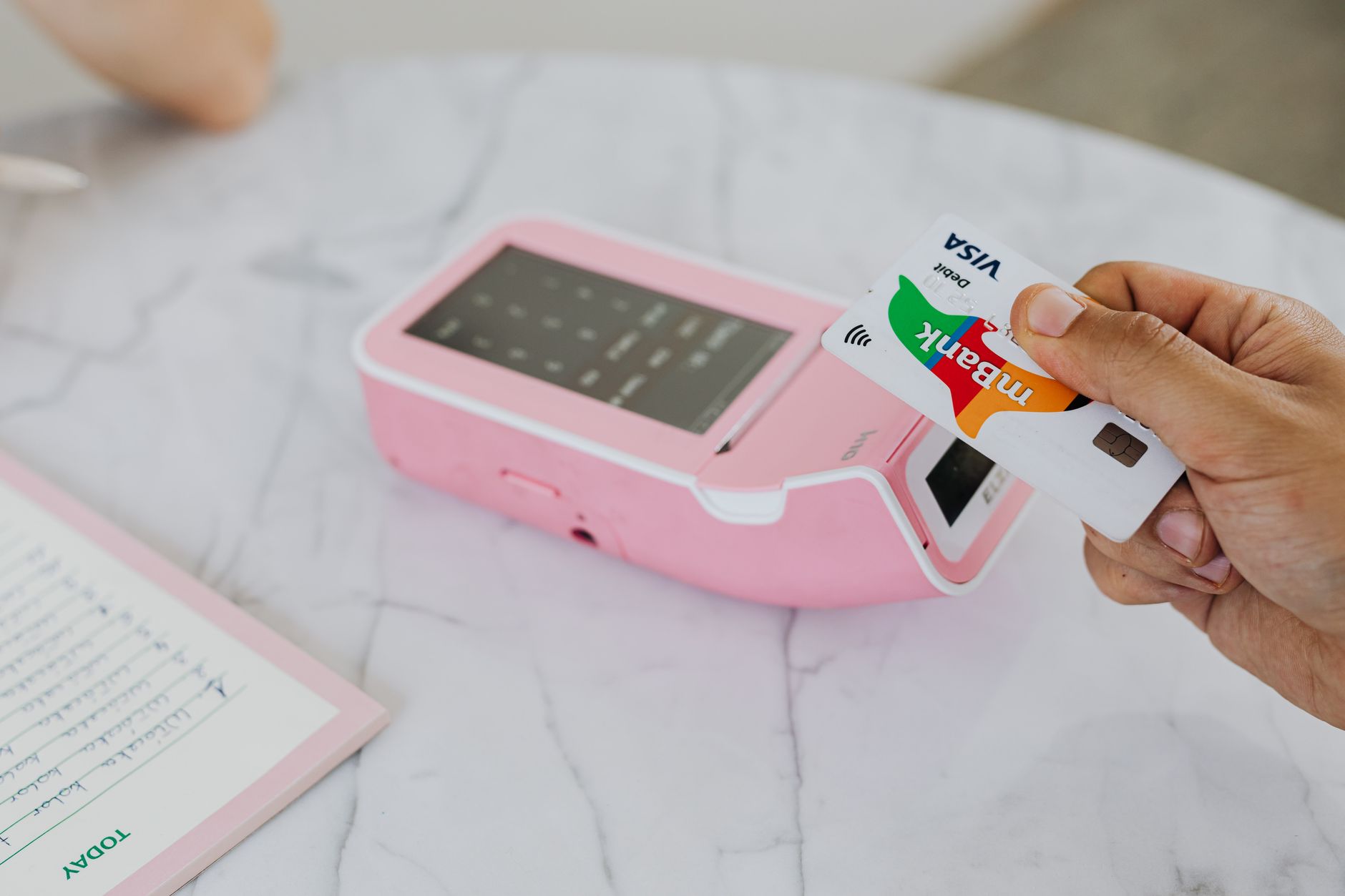
The move represents a significant modernization of Walmart’s payment infrastructure and signals the company’s recognition that contactless payments are no longer a novelty—they’re becoming a customer expectation.
What Changed and Why It Matters
Tap to Pay allows customers to complete transactions by simply holding their smartphone, smartwatch, or contactless credit card near a payment terminal. It’s faster than inserting or swiping a card, eliminates physical contact, and aligns with consumer preferences established during and after the COVID-19 pandemic.
For Walmart shoppers, this means:
- Faster checkout times, reducing lines and wait periods
- Support for Apple Pay, Google Pay, Samsung Pay, and other digital wallets
- Compatibility with contactless credit and debit cards
- Enhanced payment security through tokenization and encryption
Walmart’s Late Adoption
Walmart’s decision to add Tap to Pay comes years after major retailers implemented the technology. Target, Best Buy, and most major grocery chains already support contactless payments. The delay raised questions from shoppers frustrated by inconsistent payment options when Walmart lacked NFC readers that other stores had already deployed.
The lag reflected broader technology infrastructure challenges at the retail chain and competing priorities for investment. However, mounting customer frustration finally pushed the company to accelerate its payment modernization agenda.
Customer Demand as Catalyst
Social media and customer feedback channels showed sustained demand for Tap to Pay at Walmart. Shoppers frequently complained about the friction of having to use traditional payment methods at Walmart when faster alternatives were available at competitors. Parents noted the convenience of Apple Pay and Google Pay for family shopping trips.
This customer sentiment, combined with operational data showing adoption rates at competing retailers, created the business case for Walmart to invest in the upgrade.
Rollout and Implementation Details
Walmart is implementing contactless payment terminals across its store network. The rollout prioritizes high-traffic locations, with full deployment expected to complete within the coming months. All major payment networks—Visa, Mastercard, American Express, and Discover—support the technology.
The company has updated its point-of-sale systems to enable NFC reading capabilities and trained staff on the new payment options. Customers can identify compatible terminals by the contactless payment symbol on checkout devices.
Broader Retail Implications
Walmart’s move accelerates the normalization of contactless payments in American retail. As the nation’s largest retailer by revenue, Walmart’s adoption signals that NFC payment technology is now mainstream rather than aspirational.
This shift has implications beyond convenience:
- Payment ecosystem standardization: Widespread terminal compatibility means digital wallet providers can optimize for broader audience reach
- Consumer expectations: Shoppers increasingly expect contactless options everywhere, raising pressure on smaller retailers to upgrade
- Accessibility benefits: Tap to Pay benefits elderly customers and those with mobility challenges who struggle with traditional card insertion
- Fraud reduction: Contactless transactions include enhanced security protocols that reduce counterfeit card fraud
What’s Next for Walmart
Beyond Tap to Pay, Walmart continues modernizing its payment and checkout infrastructure. The company has invested in self-checkout technology, mobile app improvements, and earlier initiatives like Walmart+, its subscription service. Tap to Pay represents one piece of a larger strategy to improve the customer experience and reduce checkout friction.
Industry analysts note that Walmart’s contactless payment upgrade removes a competitive disadvantage that had become increasingly visible to customers. Going forward, the functionality will be standard rather than a differentiator.
The Bottom Line
Walmart’s adoption of Tap to Pay closes a gap between customer expectations and store capabilities. While the company arrives later than some competitors, the move demonstrates responsiveness to customer demand and commitment to modernizing the in-store experience. For shoppers, it means one less reason to consider alternatives and faster checkout times when paying with digital wallets or contactless cards.