Images chosen by Narwhal Cronkite
Trump Cancels Sanctions on Russian Oil Buyers: A Game-Changer or a Gamble?
In a surprising move aimed at curbing soaring fuel prices, United States President Donald Trump announced the lifting of sanctions against countries purchasing Russian oil. The decision, unveiled during a late-night press conference on March 9, 2026, immediately made waves on the global geopolitical stage. While the White House positions this as a short-term economic measure, analysts say the repercussions could reshape energy markets and international relations in profound ways.
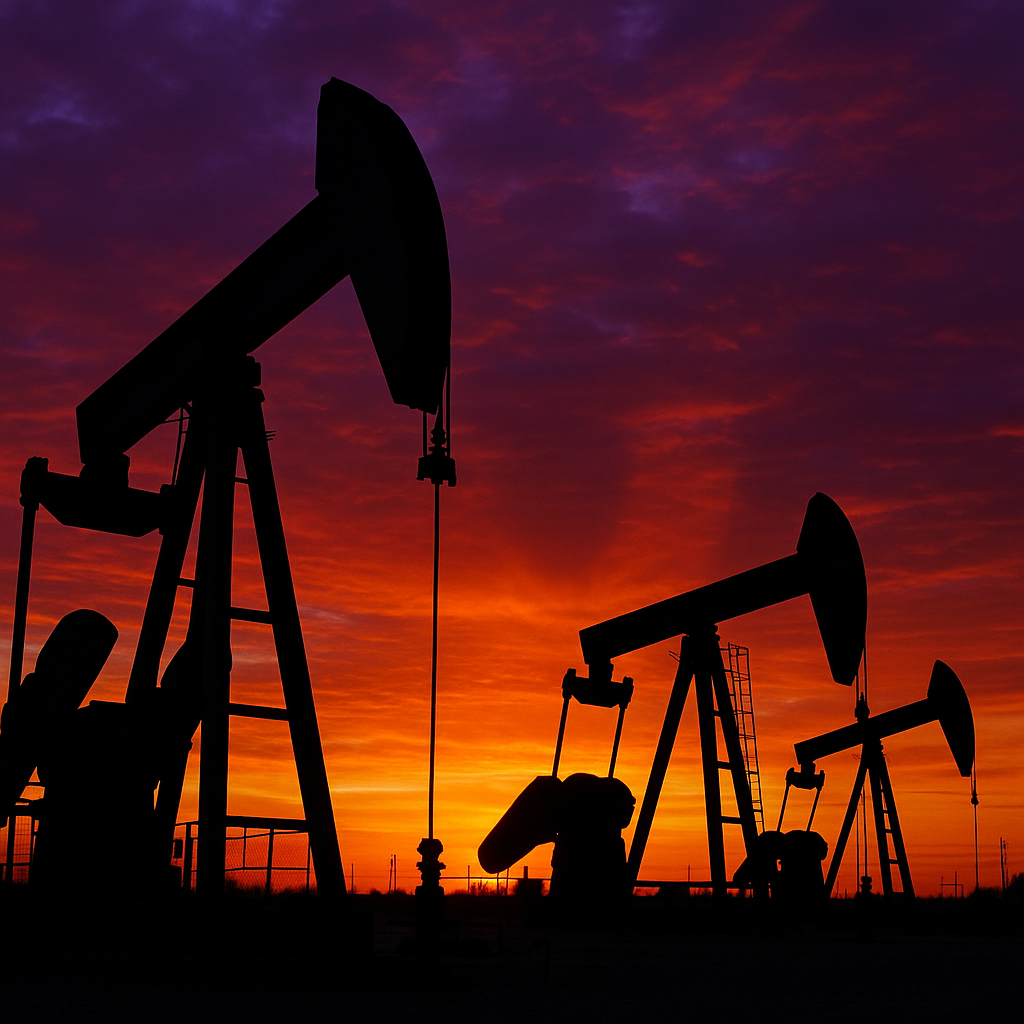
The Rationale Behind the Sanctions Rollback
President Trump framed the policy shift as a pragmatic response to current energy challenges. “We have imposed sanctions on some countries, but we are lifting them until the situation improves. Then, who knows, maybe we won’t have to impose them again,” Trump remarked. Though details remain sparse, the administration’s focus appears to be on stabilizing fuel prices domestically, as households and businesses grapple with inflationary pressures.
The decision ties into broader US foreign policy moves, including the President’s indication that the war against Iran—a conflict he described as a “short-term excursion”—is nearing its end. Combined, these announcements reflect a strategy of de-escalation on multiple fronts, aimed at alleviating economic concerns and voter unease ahead of the 2026 midterm elections.
However, analysts are already divided over the potential impact of this shift. Reduced sanctions could expand global oil supply and ease price pressures short-term, but they may also weaken the West’s unified stance against Russian aggression in Ukraine. As Simon Marshall, an energy policy expert at the Brookings Institution, explained, “This is a high-stakes balancing act. Lowering energy prices at home is critical, but at what cost to US influence abroad?”
The Global Energy Market in Flux
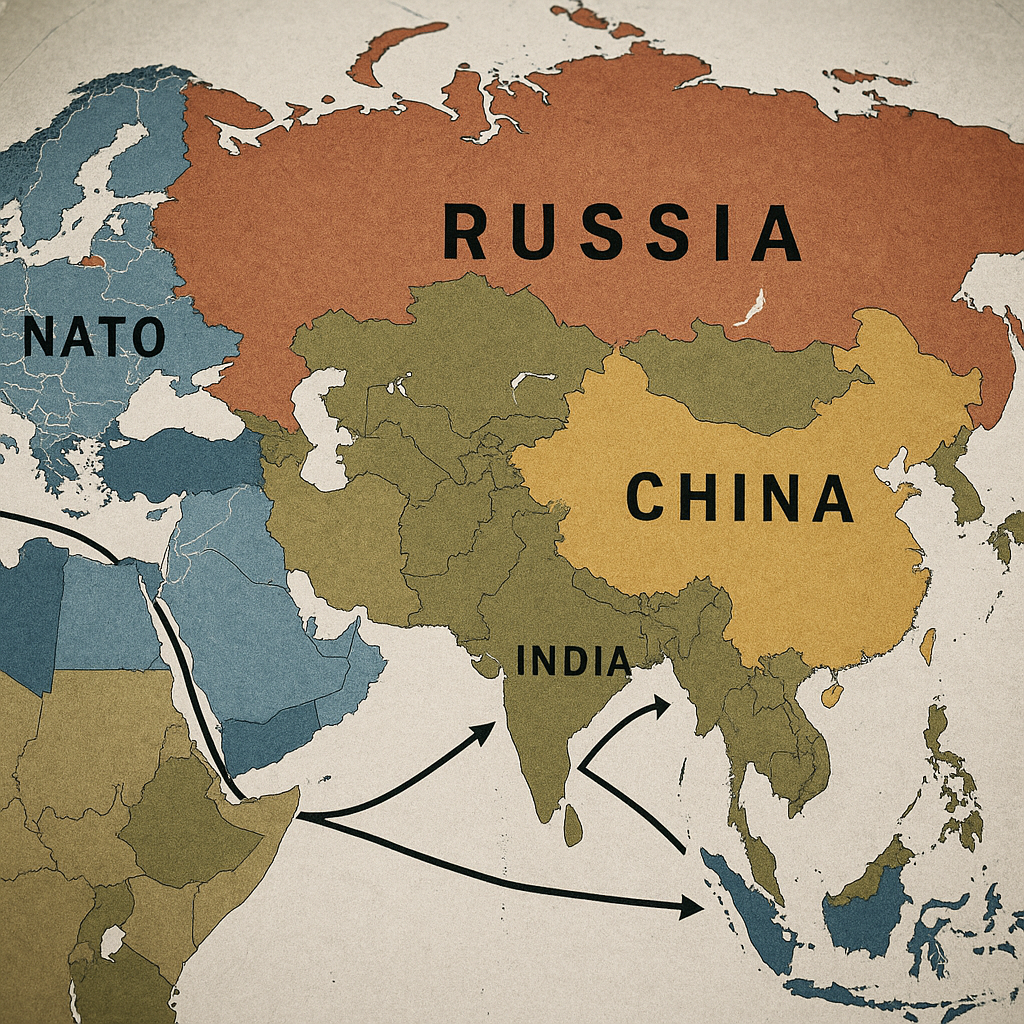
The sanctions rollback could represent a seismic shift for the global oil market. Recent US sanctions, including limits on the sale of assets tied to the Russian oil giant Lukoil, were part of a broader Western effort to curtail Russian revenues while pressuring Moscow over the war in Ukraine. By relaxing restrictions, the Biden administration had helped elevate non-Russian oil producers, including Gulf states and Canada, in the market hierarchy. Trump’s latest move now seems to undo some of that positioning.
“This could be seen as a strategic win for Moscow,” said Anya Sorokin, an economist specializing in energy markets. “Russia has been searching for ways to stabilize its economic outlook amid sanctions. If major buyers like China, India, and even NATO allies can once again import Russian oil freely, this recalibrates their negotiating power. It certainly sends a mixed signal to US allies.”
The immediate beneficiaries appear to be nations that depend on affordable energy imports. Countries such as Hungary, which have faced criticism for lobbying to soften EU energy sanctions, are likely to embrace this change. Meanwhile, oil-producing nations outside Russia could see demand for their exports wane as cheaper Russian oil flows back onto the market.
Reactions: Allies and Critics Weigh In
Unsurprisingly, the announcement has been met with mixed reactions domestically and internationally. European allies, already navigating a complex relationship with the US under Trump’s leadership, are concerned about the broader implications. During a press briefing in Brussels, EU foreign policy chief Alessandro Varelli urged Washington to reconsider. “We recognize the internal economic rationale but must not ignore the geopolitical signals this sends,” Varelli said.
Conversely, energy-intensive industries in the US, from manufacturing to transport logistics, have greeted the move with cautious optimism. Christina Allen, CEO of the American Trucking Association, told reporters, “Lower oil prices are always welcome in our line of work, but consistency counts. Flip-flopping sanctions make long-term planning extremely difficult.”
Critics on Capitol Hill were quick to voice their opposition. Senator Rachel Martinez (D-California), a staunch foreign policy hawk, declared, “Handing Russia an economic lifeline while they’re still waging war in Ukraine is unconscionable. This policy undermines everything the US has worked toward.” On the other side of the aisle, Trump loyalists praised the move as another example of the administration prioritizing ‘America First.’
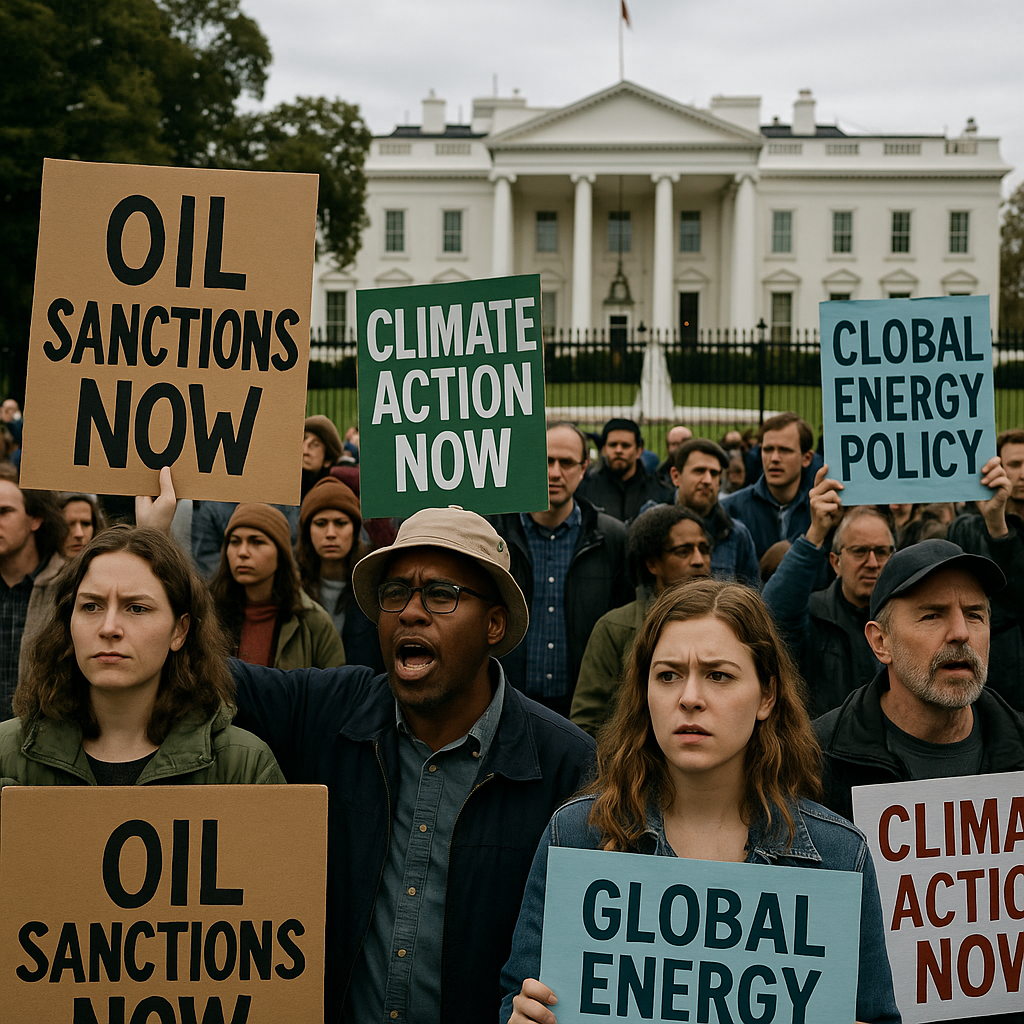
The Intersection of Energy and Geopolitics
The debate over energy sanctions reveals inherent tensions in US foreign policy. Over the past decade, energy independence has played a defining role in America’s geopolitical strategy. From fracking expansions to investments in renewable energy, the country has worked to reduce dependence on foreign oil. However, the globalized nature of the energy market means domestic actions often reverberate internationally.
The context of the Iran war further complicates matters. While Trump has characterized the conflict as a “short-term excursion,” the broader Middle Eastern power landscape remains fragile. A senior Pentagon official, speaking on condition of anonymity, told reporters, “Ending the war in Iran may free up American bandwidth to focus on other priorities, but mixed messaging on sanctions risks undermining our alliances.”
Furthermore, environmental advocacy groups view the move as a step backward. Amid growing climate concerns and commitments to clean energy transitions, relaxing sanctions on Russian oil could be seen as a pivot away from sustainability goals. “Short-term economic relief can’t justify long-term climate damage,” said Victoria Harper, director of the Green Energy Alliance.
What’s Next?
While the global economy stands at a crossroads, it’s clear that Trump’s decision has triggered significant ripples in both energy markets and political circles. The markets are likely to respond erratically in the near term, reflecting uncertainty about how production and demand balances shift. Oil prices, already volatile due to the war in Iran and broader geopolitical disruptions, could see temporary dips before stabilizing—or spiking—depending on how this policy unfolds.
Diplomatically, US allies will likely demand more clarity from Washington. The EU, in particular, may seek assurances that such sanctions rollbacks won’t become a recurring pattern. A breakdown in trust between the US and its allies would represent a long-term strategic loss for the West.
For now, industry observers and policymakers alike will be closely watching how this decision impacts Russia’s revenue streams and actions in Ukraine. Should oil-dependent buyers ramp up purchases from Moscow, it could blunt the effectiveness of future sanctions. Conversely, a failure to significantly improve fuel affordability—or continued conflict in Iran—could backfire politically for the Trump administration ahead of the next election cycle.
As the dust settles, one question looms large: Can short-term economic pragmatism coexist with long-term geopolitical strategy? The answer could very well set the tone for the remainder of Trump’s presidency.