Images chosen by Narwhal Cronkite
Iran Tells World to Brace for $200 a Barrel: What This Means for the Global Economy
The global energy market is on the verge of an unprecedented crisis. Iran’s recent warning that oil prices might skyrocket to $200 per barrel has sent shockwaves through economies and industries worldwide. As tensions in the Middle East intensify and supply disruptions ripple across the globe, analysts are scrambling to quantify the impact. Will this escalation lead to another financial downturn, or will the world adapt to an energy future shaped by geopolitical volatility?
The Geopolitical Storm Fueling Oil Price Predictions
Iran’s dire forecast comes on the heels of increasing turmoil within the region. According to Reuters, ongoing conflict has disrupted critical oil production infrastructure, resulting in historic supply chain bottlenecks. Iran has clamped down on dissent internally while warning neighboring Gulf countries about further escalation if current tensions remain unresolved. The prospect of prolonged instability has emerged as a defining factor behind projections of steep oil price increases.
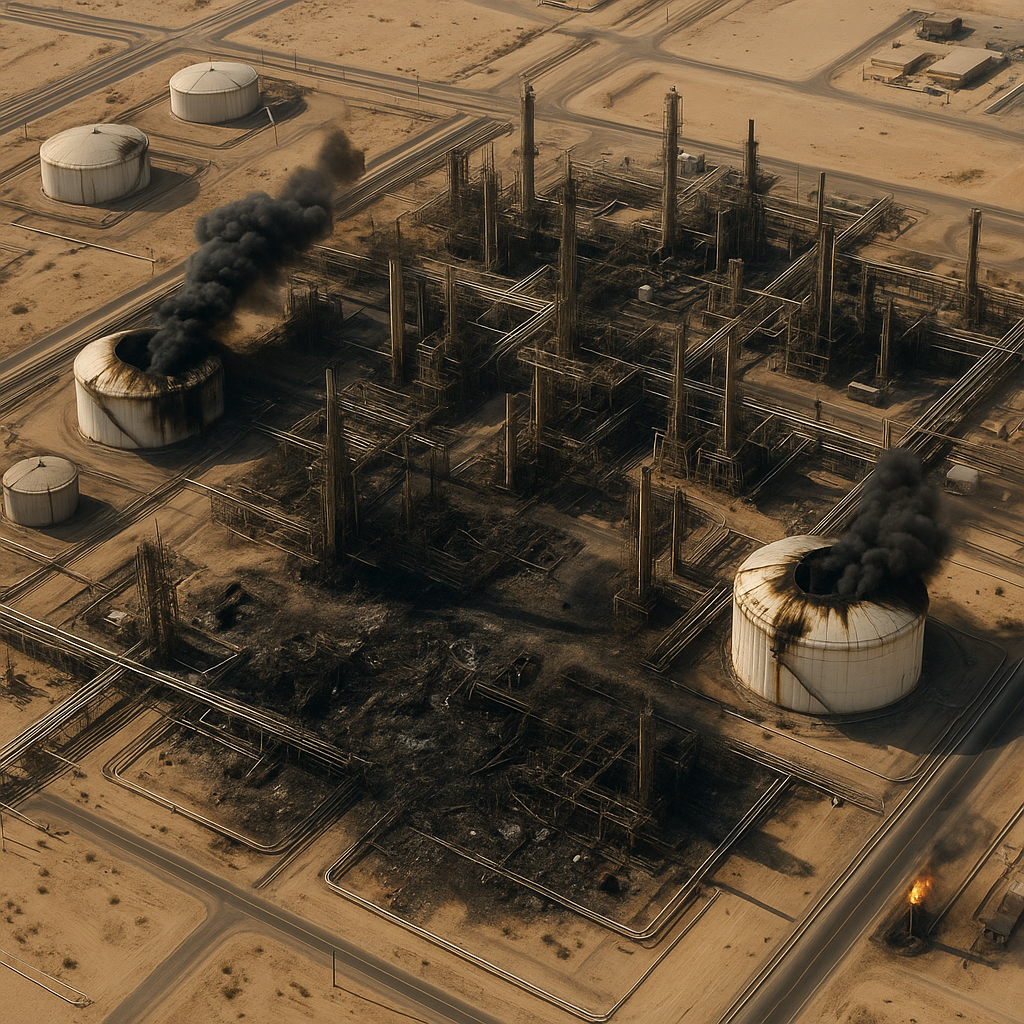
This disruption is compounded by Iran’s readiness for a long-term standoff with the United States. In an exclusive interview with CNN, senior Iranian official Kamal Kharazi highlighted his country’s resolve: “We are prepared for sustained conflict as long as it takes to secure our economic and political interests. Pressure will only bring pain.” Such declarations signal that there may be no short-term solution to Oil’s meteoric pricing trajectory.
The Ripple Effects of Energy Inflation Globally
As oil prices climb, economies across the world are bracing for the fallout. Theeconomiccollapseblog.com has termed this crisis “the largest supply disruption in history,” stressing that oil has become “the most important economic number in the world at this moment.” When oil prices crossed the $100 per barrel threshold earlier this week, financial markets immediately exhibited signs of stress. Investors scrambled to reallocate resources, fearing increased production costs, inflationary pressures, and reduced consumer spending.

From transportation to agriculture, industries reliant on fuel are already feeling the squeeze. For instance, airlines facing surging costs have begun revising ticket prices upward while trucking companies consider passing costs down to retail goods. If oil surpasses $200 per barrel, households worldwide could see fuel bills double, leaving little room for discretionary spending. Experts are worried this cascade effect could plunge major economies into recessions.
What History Teaches Us About Oil Price Crises
The last time oil prices flirted with historic highs was in 2008, when geopolitical uncertainty combined with surging demand. While those prices topped out at around $147 per barrel, modern analysts suggest this current crisis could eclipse it. Several factors differentiate today’s scenario from previous spikes, chief among them the simultaneous impact of regional turmoil and climate-related disruptions to global energy systems.
In West Kordofan State, Sudan—a region vulnerable to climate-driven instability—recent drone strikes targeting markets have compounded humanitarian challenges, according to UN News. Sudan’s struggles are emblematic of how volatility in energy supplies triggers broader socio-economic crises in already fragile regions.
Industry Responses and What Comes Next
Some experts believe that alternative energy strategies might cushion the blow, but transitioning to renewables amid such sudden shocks is far from realistic. For now, governments seem most focused on emergency oil reserves and geopolitical negotiations. Markets are watching the White House closely while major producers like Saudi Arabia weigh their strategic response to Iran’s provocations.
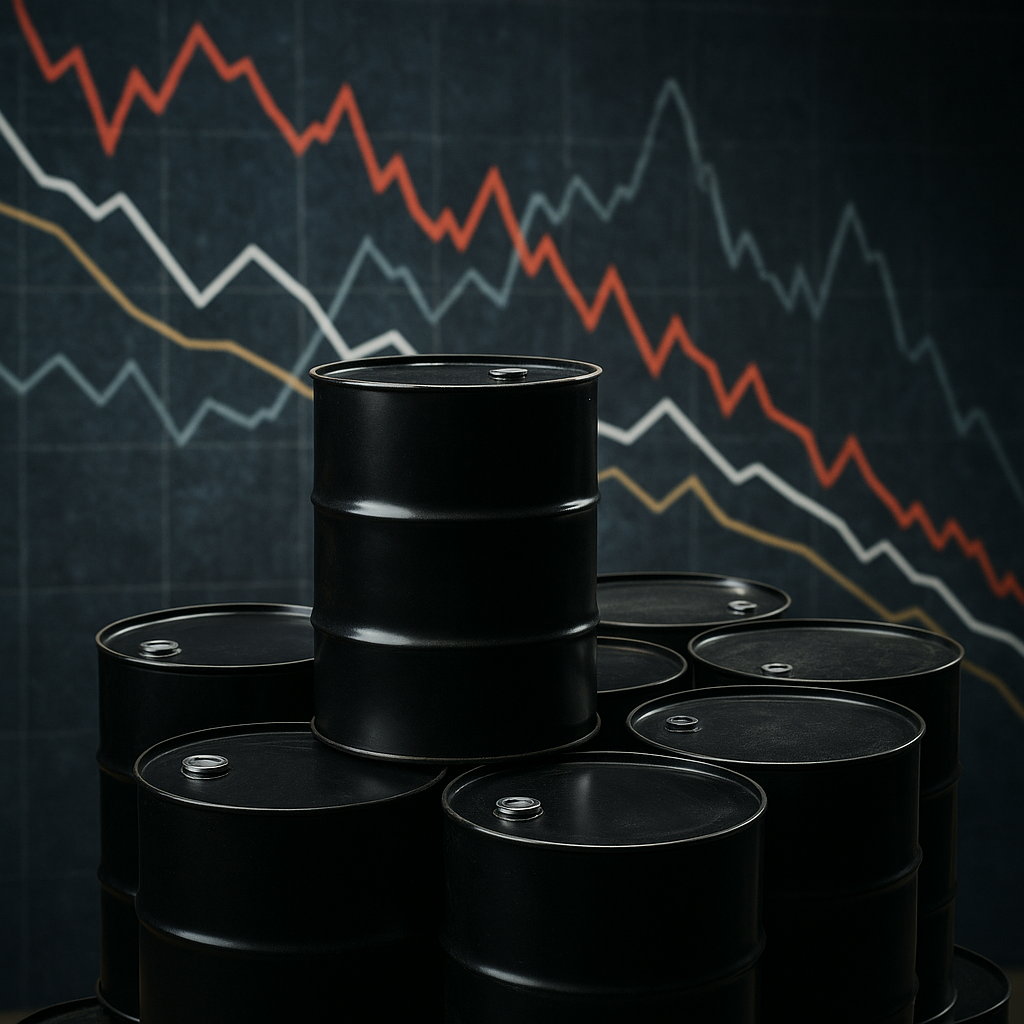
The U.S. Secretary-General’s office has emphasized dialogue but remains largely reactive to the crisis. Supply chain analysts suggest the ripple effects of oil price surges could accelerate the adoption of electric vehicles and renewables in the long term. However, the immediate crisis demands responses rooted in diplomacy, oil reserve mobilizations, and measures to stabilize currencies hitting record lows.
Implications and What to Watch for Next
Iran’s warning that the world should prepare for $200 per barrel oil paints a sobering picture for investors, policymakers, and consumers alike. Governments grappling with this crisis must simultaneously navigate inflation and potential job losses in affected industries. Meanwhile, oil-dependent nations are likely to seek expedited agreements with producers in the Middle East to limit the damage.
Specific developments and indicators to monitor include the following:
- Any shifts in the U.S.-Iran diplomatic stance amid heightened tension
- Market responses to fuel prices crossing $150 per barrel
- Emergency energy policy announcements from OPEC+ nations
- The acceleration of funding for renewable energy to weather future disruptions
For now, uncertainty reigns supreme as the Middle East remains embroiled in conflict and economies confront the most critical oil price shock in decades. How industry leaders, governments, and consumers respond will shape global energy futures for years to come.