Images chosen by Narwhal Cronkite
Iran’s Warning to US Tech Giants Signals Escalating Regional Tensions
This week, Iran issued a stark warning to major US technology companies, including Google, Amazon, Microsoft, and Nvidia, declaring their offices and digital infrastructure “legitimate targets.” The warning, published via Iran’s IRGC-affiliated Tasnim News Agency, highlights how technology and its dual applications are becoming embroiled in political and military disputes across the globe.
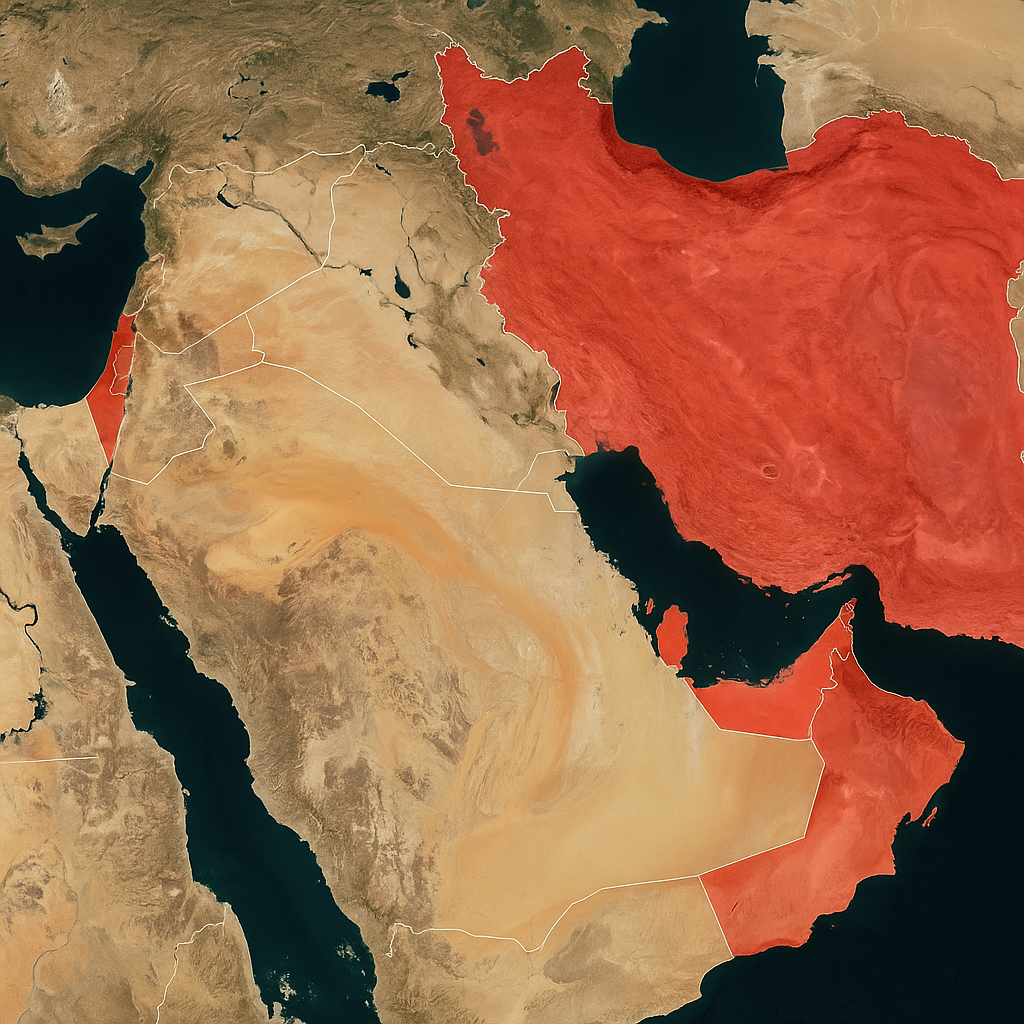
Technology as a Battlefield: Expanding Scope of Regional Conflicts
Iran’s statement represents a significant shift in how nation-states define their military objectives. In the past decade, digital infrastructure—such as cloud services, analytics platforms, and AI systems—has increasingly been viewed as critical tools in national security by governments worldwide. According to the Tasnim report, platforms operated by American companies were allegedly used for military applications linked to Israel, prompting Iran’s retaliation plans.
Iran underscored this shift with the statement, “As the scope of the regional war expands to infrastructure war, the scope of Iran’s legitimate targets expands.” This alarming pronouncement raises questions about the vulnerability of global tech infrastructure as conflicts blur the line between traditional battlefields and cyber-targets.
Al Jazeera has reported that Iranian intelligence has identified specific infrastructures in Israeli cities and Gulf nations, claiming they serve dual purposes—commercial and military. While official details remain scarce, the implications are far-reaching for both private technology companies and diplomatic relations.
A New Era in Geopolitical Targeting: Cyber Meets Physical
This escalation comes amidst broader regional tensions involving Iran, Israel, and the U.S., further complicating an already volatile geopolitical climate. It is no secret that American tech firms like Microsoft and Nvidia are deeply embedded in critical sectors, including defense, artificial intelligence, and secure communications. This makes them particularly vulnerable to claims of being used for military objectives.
According to cybersecurity publication “The Hacker News,” attackers today prioritize exploiting existing tools over creating new attacker vectors, emphasizing the risks associated with widespread reliance on these “trusted” platforms. If Iranian cyber capabilities have been advancing, as recent espionage arrests reported by the IRGC suggest, American tech giants may contend with sophisticated cyber assaults targeting both their commercial operations and security systems.

Industry Analysis: What This Means for Big Tech
Industry analysts see this development as a sign of growing vulnerabilities for multinational tech corporations operating globally. “These warnings will shrink the room for strategic neutrality of tech giants,” comments Maya Johnson, a geopolitical tech analyst. With growing conflicts in the Middle East, companies like Google and Amazon now face the challenge of navigating their business interests alongside mounting scrutiny regarding their involvement—or alleged complicity—in military use cases.
Iran’s focus on dual-use infrastructure, cloud-based services, and AI systems highlights a critical contention point within today’s globalized economy: technology’s role in military conflicts. “Tech giants must now contend with a reality where their products won’t just face compliance and market risks but also explicit security threats from nation-states,” Johnson adds.
According to RT, recent US-Iran nuclear talks showed signs of promise, but threats like the one issued this week indicate that achieving lasting agreements remains tenuous. Fluctuations in negotiations could inadvertently weaponize private corporations caught up in government disputes.
Potential Fallout: Economic and Cybersecurity Risks
Although no immediate actions have yet been taken against these companies, the implications are already rippling across sectors. Stock prices of tech firms involved could experience volatility as investors weigh the risk of targeted cyberattacks or influence on critical geopolitical decisions. Furthermore, a Reuters analyst suggests operational disruptions could damage trust between large enterprises and governments, tipping the scales of how cross-border transactions are managed.
For cybersecurity operations, this could be a pivotal moment. As reported by “The Hacker News,” vulnerabilities identified in Qualcomm and iOS chains last week underline the persistent risks in tech products. If Iran or its allies weaponize similar exposures, the consequences could go far beyond the listed companies, potentially disrupting global tech supply chains.

What’s Next: Navigating the Intersection of Tech and Diplomacy
As tensions rise, this issue commands international attention. While Iran’s warning remains largely rhetorical for now, ongoing negotiations between the U.S. and Iran may serve as a litmus test for whether such threats materialize into real actions targeting non-state actors like Google or Microsoft.
Observers are also closely monitoring multilateral relations in the region, especially given the Middle East’s burgeoning tech hubs in the UAE and Saudi Arabia. If Iranian threats destabilize Gulf-based infrastructure, major U.S. corporations could be forced to rethink their investment strategies in the region.
For global business strategists, this incident underscores the increasing entwinement of geopolitics and enterprise operations. As the world grapples with newfound risks, tech firms must prepare for heightened scrutiny, more robust cybersecurity measures, and potentially unprecedented diplomatic negotiations to mitigate fallout.
The unfolding developments could steer the course of future alliances, redefining how governments view infrastructures that were once considered merely economic assets. Moving forward, we await actions from all sides that will definitively shape the narrative surrounding tech, war, and diplomacy.