Images chosen by Narwhal Cronkite
U.S. National Counterterrorism Chief Resigns Over War in Iran
The resignation of the United States’ National Counterterrorism and Intelligence Center director, Joe Kent, on March 17, 2026, marks a significant moment in the heated discourse over the U.S. administration’s military actions in Iran. Citing a moral conflict, Kent declared he “could not in good conscience” align himself with a war that he claims was driven by external pressures rather than legitimate national security concerns. His departure brings critical questions about strategies in the Middle East and the broader consequences of this contentious war.

The Context of Kent’s Departure
Kent’s announcement came nearly eight months after he was confirmed to the National Counterterrorism Center (NCTC) through a narrow 52-44 vote in the Senate. His strong public denunciation of the Biden administration’s—and more specifically, reports of the Trump-endorsed—operations in Iran adds a layer of intrigue to the controversy that has surrounded the war. In his public statement, Kent asserted that Iran posed “no imminent threat to our nation” and argued that the conflict was fueled by “pressure from Israel and its powerful American lobby.”
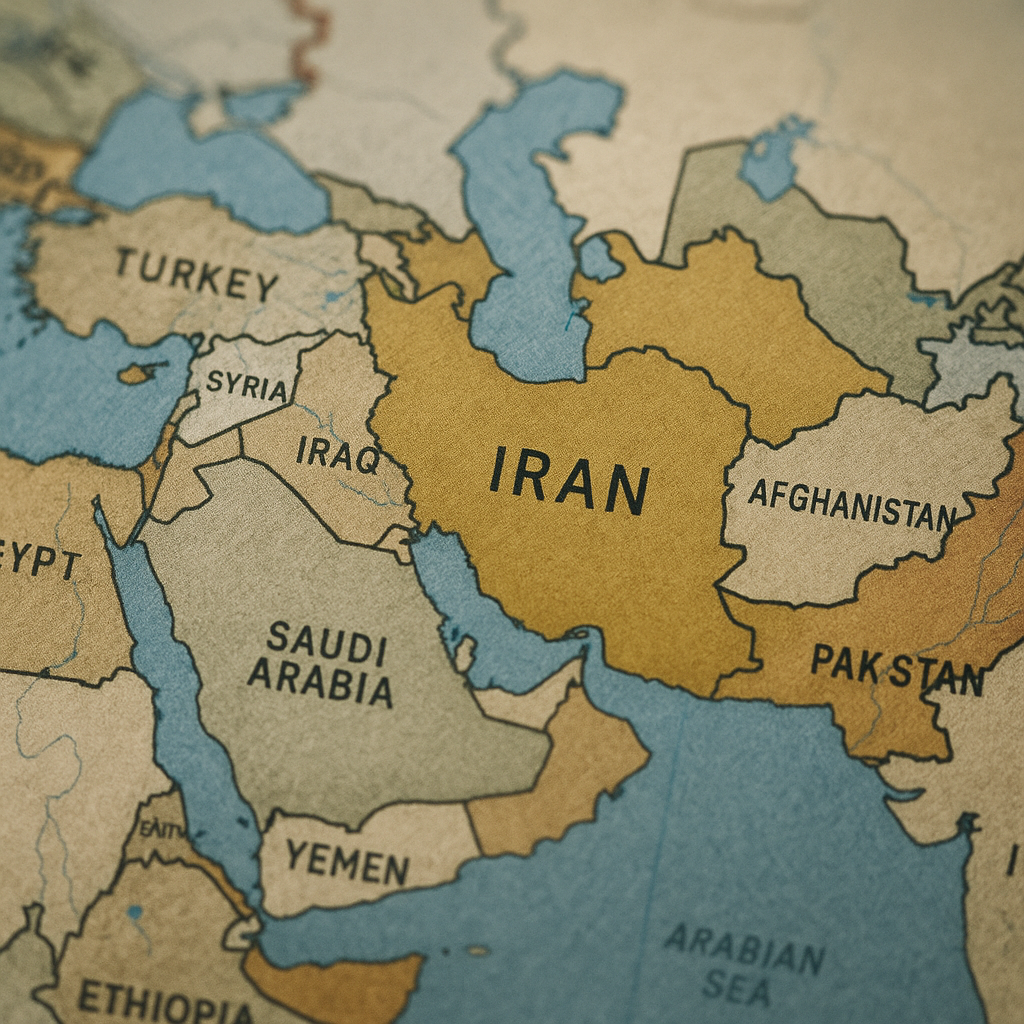
The geopolitical stakes in the region have always been high. Iran occupies a strategic position in both regional security and global energy supply chains. Over decades, its policies and nuclear capabilities have triggered international tensions, often pitting the U.S. and its allies against Tehran. However, Kent’s resignation underscores the internal divisions within Washington on how these challenges should be addressed, with dissent as glaring as his raising questions about the legitimacy and motivations behind the aggressive military approach.
The Larger Picture: Divisions in U.S. Policy
While U.S. intelligence agencies historically prioritize counterterrorism efforts related to domestic threats, Kent’s departure highlights a deeper conflict between intelligence strategies and foreign policy decisions. As stated by anonymous intelligence insiders cited by Reuters, many within the community question the necessity of this war and its ramifications for U.S. national security. This tension is not unique to the current administration but reflects a recurring issue in modern U.S. politics: the disconnect between military objectives and geopolitical outcomes.
Historically, U.S. military engagements in the Middle East—including the wars in Iraq and Afghanistan—have drawn similar criticisms. Critics argue that large-scale military operations often exacerbate instability rather than mitigate it. The Trump-endorsed effort in Iran faces similar scrutiny, with analysts pointing to the potential longer-term costs, including strained alliances, economic setbacks, and increasing anti-U.S. sentiment in the region.
Was Iran a Threat?
One of the points raised by Kent in his resignation announcement was his assertion that Iran posed no “imminent threat.” This claim challenges the narrative often cited by the U.S. government to justify military operations. Historically, the phrase “imminent threat” has been used to validate interventions, from preemptive strikes in Iraq to drone campaigns across the Middle East and North Africa.
However, analysts observe that Iran’s actions have typically focused on regional dominance rather than direct threats to Western nations. Its alliances with proxy groups such as Hezbollah and the Houthis, along with its controversial nuclear program, have indeed been flagged as concerning. But according to many commentators, these concerns require a measured, multilateral approach rather than outright war. “The path of war generates short-term gains at the expense of sustainable peace,” remarked Middle East policy expert Dr. Rana Khoury in an analysis with The Atlantic.
Repercussions Beyond the Resignation
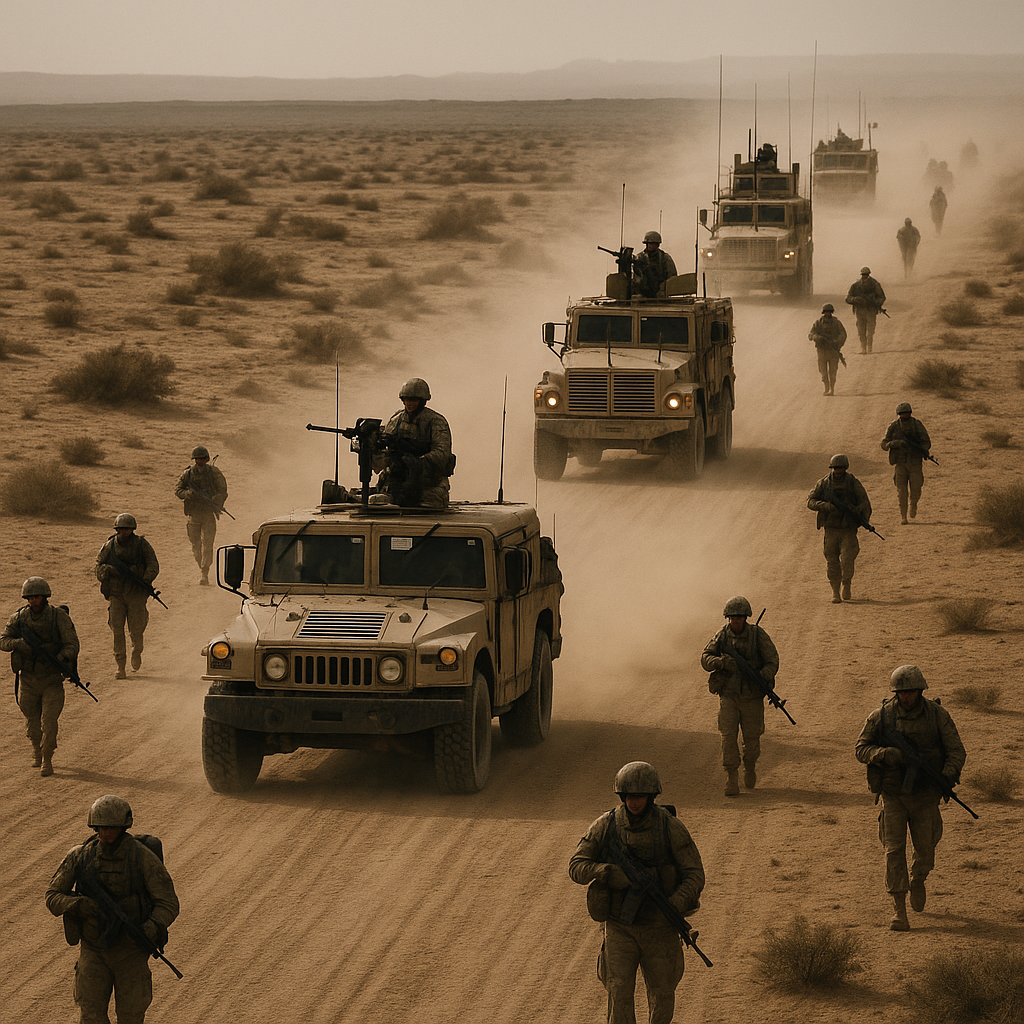
Kent’s dramatic exit has already fueled widespread debate on Capitol Hill and among global leaders. Republican and Democratic lawmakers alike have begun questioning the long-term goals and justification for the military campaign. Meanwhile, NATO allies have reportedly shown reluctance to support the U.S.-led operation, with several member countries publically distancing themselves from direct involvement.
Public opinion within the U.S. also appears increasingly divided. Protests in major cities—including New York and Los Angeles—have demanded greater transparency regarding the motivations for the war. Meanwhile, veteran organizations are urging the administration to consider the toll such conflicts have historically taken on American military personnel and families.
In the Middle East, the intervention risks destabilizing a fragile region already grappling with humanitarian crises, sectarian tensions, and ongoing proxy conflicts. Analysts warn that escalation in Iran could ignite broader regional conflicts involving key powers such as Russia, China, and regional adversaries like Saudi Arabia. Coupled with this is the economic toll: disruptions to oil supplies, fluctuating global prices, and economic sanctions are likely to reverberate far beyond the battlefield.
What’s Ahead?
The ongoing war in Iran and the resignation of a high-ranking national security official raise critical questions for U.S. policymakers and the international community. Will the Biden administration double down on its strategy, or can Kent’s resignation serve as a wake-up call, urging officials to reconsider their approach? Allies, adversaries, and observers will be closely monitoring how Washington navigates these heightened tensions in the coming weeks.
For now, as President Trump continues to claim that the U.S. has “effectively already won the war,” global leaders and U.S. citizens alike are seeking clarity on what that victory actually entails. Whether Kent’s dramatic resignation will inspire further internal dissent within the U.S. intelligence community or stand as an isolated protest remains to be seen.
Ultimately, the situation underscores the dangers of military engagement without consensus and the fine balance required to address national and global security challenges in a multipolar world.
Implications for the Future
The resignation of Joe Kent is more than just a political disruption—it is a commentary on the complex interplay of morality, strategy, and policy in modern geopolitics. As the war in Iran continues, questions of accountability, legitimacy, and long-term strategy will loom large. Observers will be watching not just the battlefield but also the boardrooms of Washington to see if this resignation triggers a broader reckoning or merely becomes another footnote in America’s contentious history of Middle Eastern interventions.
Global citizens and stakeholders have every reason to demand honest, transparent policies from decision-makers. After all, the choices made today will shape the geopolitical and economic landscape for decades to come.