Images chosen by Narwhal Cronkite
US Army Chief of Staff Asked to Step Down by Hegseth, Sources Say
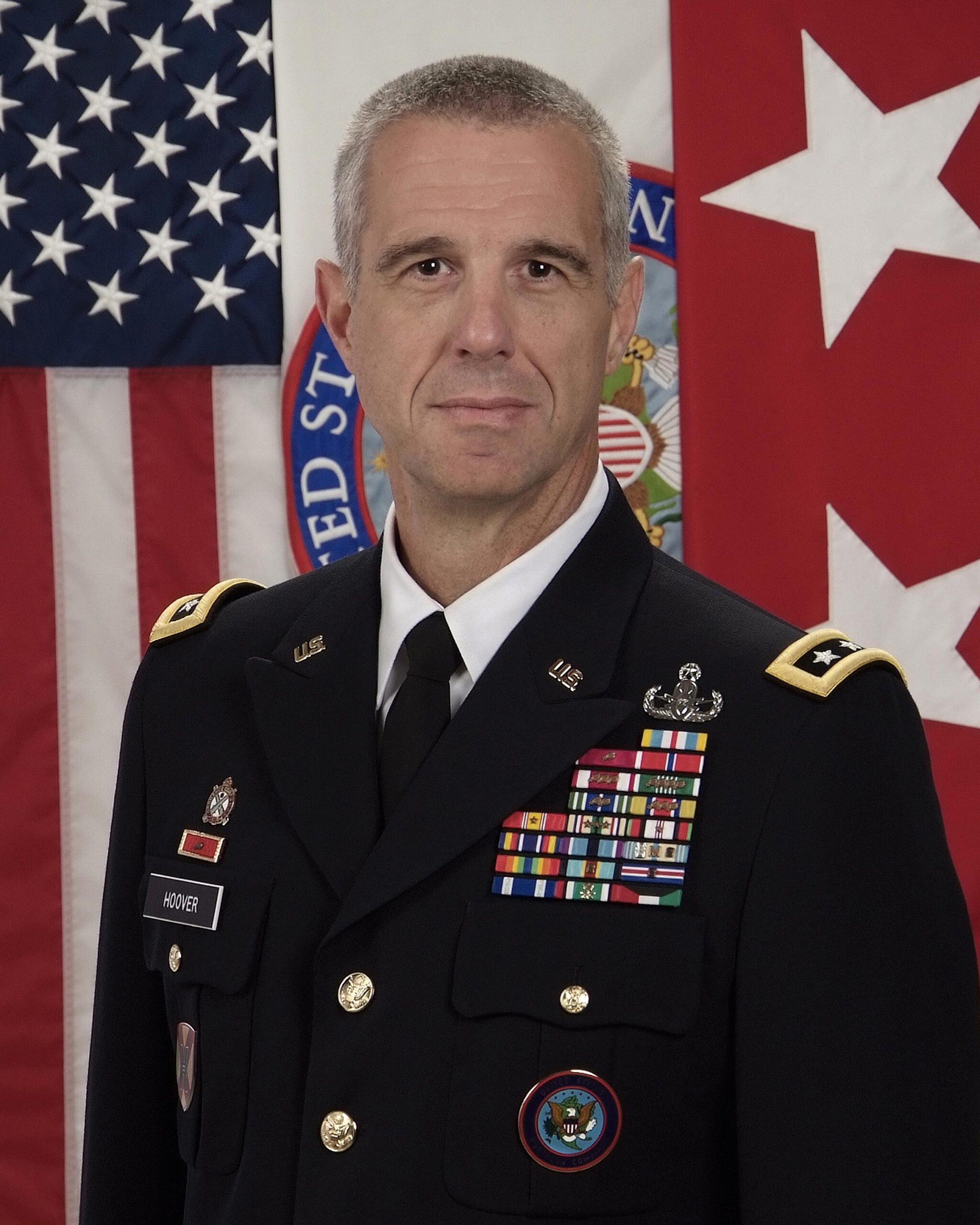
In a move that has sent shockwaves through military and political circles, US Army Chief of Staff General Randy A. George is reportedly being asked to step down, following an appeal by Fox News commentator and veteran Pete Hegseth. This development, first reported by Reuters and CBS News, raises questions about military leadership transitions, civilian influence on military affairs, and the broader implications for U.S. defense policy.
The Background: An Unusual Request
According to a Reuters report, Hegseth, a former U.S. Army officer turned political commentator, has called for the resignation of General George. While the specific reasons for this request remain unclear, the incident has sparked intense debate about where civilian commentary converges—or collides—with military autonomy.
Analysts suggest this is far from an isolated event. Rebukes from vocal media personalities are not new to Washington politics, but recent years have seen an intensifying trend where civilian influencers exert outsized sway over military narratives. “The boundaries are increasingly muddled,” said Dr. Elaine McCormack, a defense policy expert at Georgetown University. “This puts additional pressure on high-ranking officials, who are caught between their professional duties and public sentiment shaped by media commentary.”
Notably, this is occurring within the broader context of rising anxieties about autonomy in military operations, particularly as emerging technologies reshape the battlefield. A recent The Intercept piece highlighted ethical concerns surrounding OpenAI’s partnership with the Pentagon. The report cited fears over the use of artificial intelligence in surveillance and autonomous weaponry, raising questions about how shifting priorities might influence leadership decisions.
The Dynamics of Leadership and Accountability
The role of the Army Chief of Staff has always been fraught with challenges, requiring a careful balance of operational command, strategic foresight, and public accountability. General George, a distinguished officer with decades of service, now finds himself in the eye of this symbolic storm.
While critics have questioned whether General George has effectively adapted to modern military challenges such as cyber defense and misinformation warfare, his supporters point to his long track record in counterinsurgency operations and geopolitical military planning. “His leadership has been pivotal in addressing conventional and unconventional threats,” said retired Colonel Steve Anderson, now a scholar at the U.S. Army War College.
This latest criticism appears to be part of a growing narrative around leadership accountability in high-stakes roles. But is this critique aimed more at the General’s leadership—or at the Army’s overall preparedness in an era of rapid technological and geopolitical change?
Parallel Stories in Civilian-Military Interactions
This incident recalls other high-profile clashes blurring the lines between civilian influence and institutional governance. For example, Rolling Stone recently chronicled a bitter legal battle between a celebrated hydrologist and an environmental non-profit over allegations of political bias and intellectual property theft. Though unrelated to the military, it underscores a growing trend—decisions in public roles increasingly facing external scrutiny, often amplified by media outlets and public figures.
Furthermore, advancements in artificial intelligence, as reported by ABC News, are complicating these dynamics in other domains. As AI tools replace traditional roles across industries, many workers and leaders are left grappling with their evolving responsibilities. This dynamic is hardly confined to the private sector; it’s a presence within the Department of Defense, where initiatives to integrate AI have led to heated debates over the human cost of technological efficiency.
Hegseth’s comments also raise broader questions about the role of public commentary in shaping perceptions of military leadership. While the freedom to critique is inherently part of democratic governance, its intersection with defense policy can create complex problems, particularly regarding morale and operational stability.
Some experts warn that the ripple effect of external criticism on military leadership could undermine public confidence. Dr. Sarah Delgado, a sociologist focused on civil-military relations, observed, “The armed forces are one of the last institutions where public trust remains relatively high. Increasing politicization could jeopardize the cohesive bond between the military and the citizenry.”
Much of this tension hinges on transparency. As institutions such as OpenAI take on Pentagon contracts, as The Intercept reported last month, the military must walk a fine line between embracing innovation and ensuring ethical practices. Any perceived gaps in oversight can fuel narratives like the one currently surrounding General George.
What’s Next for Leadership in a Changing Military Landscape?
So, where does this leave the future of military leadership? Key observers believe the focus will shift to reassessing how U.S. military leaders are evaluated, especially as technological developments like autonomous drones and AI systems become central to modern warfare. The balance between expertise, adaptability, and perception will be critical moving forward.
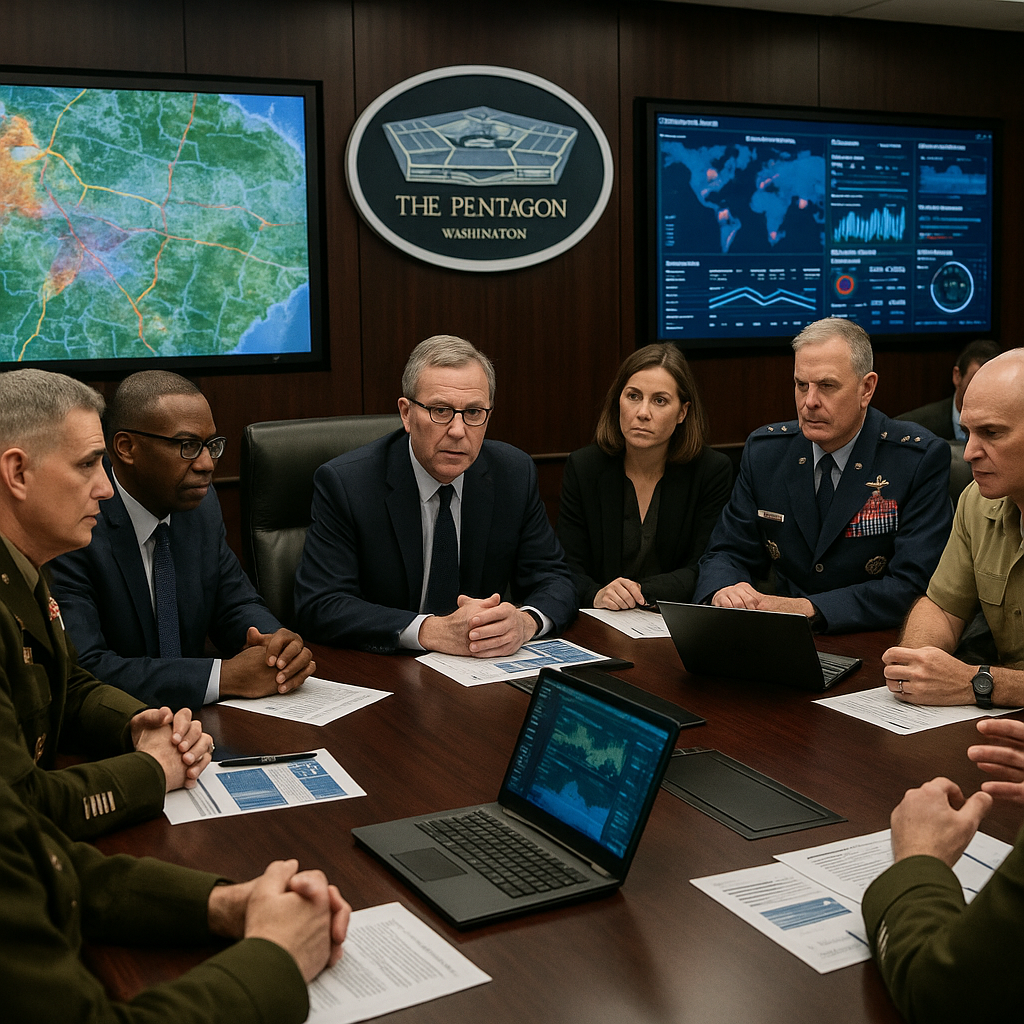
For now, General George’s position remains unchanged, and the Pentagon has yet to release an official statement. “This is a waiting game,” says analyst Thomas Ridge, a retired Navy admiral turned policy strategist. “We don’t yet know how this call for resignation might ripple across leadership structures—not just within the Army, but across all branches of the armed forces.”
As this story develops, attention will also likely shift to civilian-military boundaries and whether changes in public discourse will provoke systemic reforms in the oversight and selection of defense leaders.
Implications: A Perilous Precedent?
The implications of this episode extend well beyond one man’s career. If public figures like Hegseth wield increasing influence over defense policies and leadership appointments, it could herald a new era wherein media commentators are thrust into quasi-strategic roles. While this might galvanize more citizen engagement, it could also destabilize the traditional structure of command and weaken institutional neutrality.
Observers will now be watching how the Pentagon and key political stakeholders navigate this precarious situation. Whether this call for resignation leads to substantial action—or fades into the annals of political commentary—could signal what the future holds for U.S. military governance.
As the intersection of media clout and military leadership deepens, one thing becomes clear: the boundaries of influence are more fluid—and more fraught—than ever before.