Images chosen by Narwhal Cronkite
Ukraine Strikes Russian Lukoil Refinery Amid Global Fuel Crisis
Ukraine has once again demonstrated its willingness to target strategic Russian infrastructure, reportedly striking the Lukoil-Nizhegorodnefteorgsintez refinery and an oil pipeline in Russia’s Nizhny Novgorod Oblast. The move, confirmed by Ukrainian officials, raises pressing questions about the effectiveness of such measures—and their implications in a world grappling with spiraling fuel prices.
Escalating Attacks on Critical Energy Facilities
The April 5 strikes on the Lukoil refinery, around 800 kilometers from the Ukrainian border, mark just the latest attempt by Kyiv to weaken Russia’s ability to wage war. Robert “Madyar” Brovdi, the commander of Ukraine’s unmanned systems forces, confirmed the drone strike, emphasizing the military rationale behind these actions. Ukrainian officials argue these facilities fund and fuel Russia’s war machine, making them legitimate military targets.
Russian officials have reported damage to refining facilities and pipelines caused by debris from the drones, although air defense forces ostensibly repelled 30 drones overnight, according to Gleb Nikitin, governor of Nizhny Novgorod Oblast. Alexander Drozdenko, the governor of Leningrad Oblast, also attributed pipeline damage to falling debris.
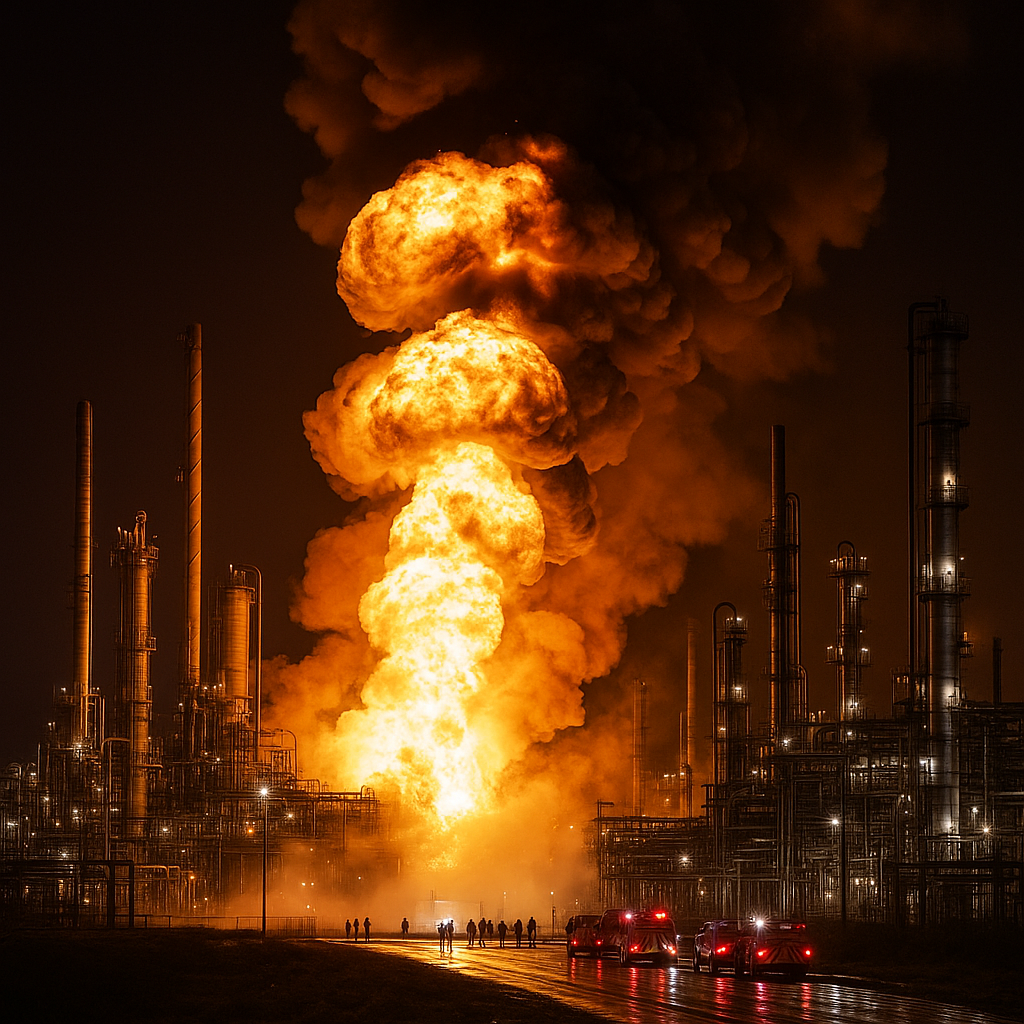
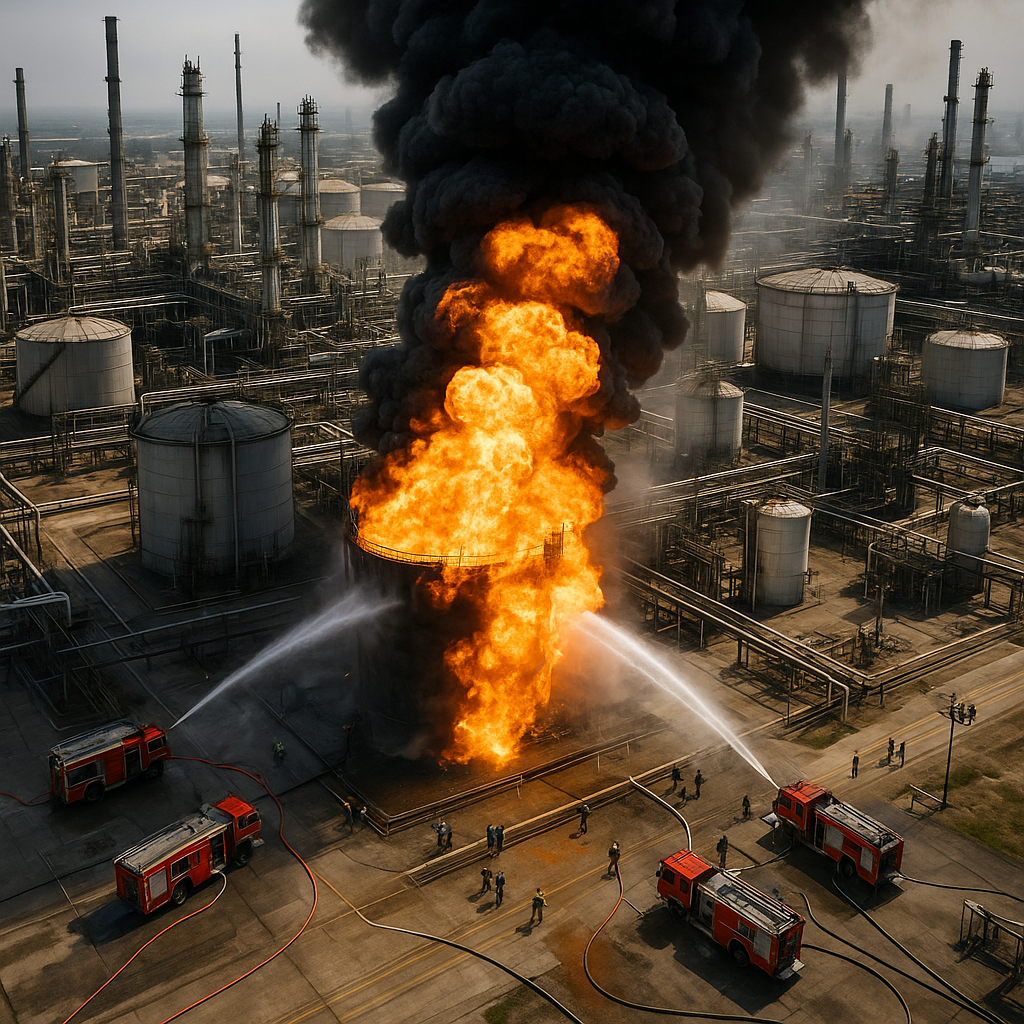
Visual evidence from social media captured the intensity of these attacks: images and videos showed massive flames and explosions lighting up the night sky. Fires engulfed key sections of the refinery, underscoring Ukraine’s determination to strike deep within Russian soil.
Fuel Prices: Rising Tensions Meet Economic Strains
The strikes occur against the backdrop of a volatile global energy market. Since the onset of a U.S.-Israeli conflict in Iran, oil prices have surged, exacerbating economic pressure worldwide. Ukraine’s decision to persist in targeting Russian oil infrastructure has drawn criticism from foreign allies, many of whom had asked Kyiv to temporarily pause such attacks during this period of heightened global demand.
According to DW, the United States has recently eased sanctions on Russian oil in an effort to stabilize soaring fuel prices. These sanctions, originally designed to restrict Russia’s fossil-fuel-driven economy, have been partially relaxed to mitigate ongoing crises. At the same time, House Republicans in the U.S. have called for stricter enforcement of sanctions on entities like Lukoil and Rosneft, aligning with previous measures from October 2025 that froze U.S.-based assets of Russian energy companies.
This dichotomy—pressure to sanction Russian oil producers on one hand and calls to alleviate restrictions on the other—reveals a complex tug-of-war between geopolitical priorities and global economic stability.

Strategic Implications of Ukraine’s Drone Campaign
Ukraine’s decision to intensify attacks on Russia’s oil infrastructure reflects both strategic foresight and calculated defiance. By targeting refineries like Lukoil and the Primorsk oil terminal, Kyiv seeks not only to disrupt Russia’s logistical capabilities but also its financial reserves, which heavily depend on fossil fuel exports. These strikes also serve to demonstrate Ukraine’s technological capability in drone warfare.
However, the collateral impact of these attacks is significant and far-reaching. Fuel shortages and price hikes are already rippling through global markets, hitting household economies and businesses alike. While Ukraine’s allies have largely supported its military endeavors, this latest escalation may test the patience of nations grappling with domestic energy crises.
Industry observers point out that extended damage to facilities like Lukoil could force the Kremlin to seek alternative, more expensive supply chains, further stressing Russia’s economy. However, as global demand for oil spirals upward due to conflict in Iran, Russia might still find buyers willing to pay a premium, as evidenced by the U.S. Treasury’s recent easing of sanctions.
International Reactions and Energy Sector Fallout
The international response has been mixed. Many Western nations understand Ukraine’s rationale for these strikes but continue advocating for restraint, particularly in light of the global energy crisis. In their calls, allies often cite the need for broader economic stability ahead of geopolitical victories.
The energy sector, meanwhile, remains on edge. Major oil-importing nations like China and India, which have been critical buyers of Russian oil, are closely monitoring these developments. With Lukoil and other sanctioned Russian entities under increasing attack, international traders are bracing for further disruptions to supply in the coming weeks.
The recent actions by the U.S. to ease sanctions temporarily have provided some relief to markets, but as noted by Fox News, sentiment remains divided among U.S. lawmakers. Calls from House Republicans for stricter enforcement of sanctions on Russian oil companies reflect a growing dissatisfaction with policies deemed overly lenient amidst escalating tensions.
What’s Next: The Global Ripple Effects
Looking ahead, the ramifications of Ukraine’s strike on Russian energy facilities are likely to be felt both in geopolitical and economic theaters. While Kyiv may achieve short-term strategic gains by weakening Russia’s oil-driven war economy, the broader consequences of such actions—including potential pushback from allies—cannot be ignored.
Global fuel prices may continue to rise as supply chains remain disrupted, and nations dependent on affordable energy will likely seek alternative solutions. Whether this leads to further easing of sanctions on Russia or deeper investment in renewable resources remains to be seen.
Ultimately, Ukraine’s drone campaign signifies a calculated gamble: leveraging strategic disruption while managing complex ally relationships. With no signs of de-escalation on either side, industry experts advise keeping a close watch on both fuel markets and military developments.