Images chosen by Narwhal Cronkite
Could 30 Minutes of Ads Before Movies Become a Thing of the Past?
Tom Rothman, chairman of Sony Pictures Entertainment’s Motion Picture Group, made waves at this year’s CinemaCon in Las Vegas with a bold call to action: cut down the bloated 30-minute window of trailers and advertisements that precedes film screenings. Speaking with typical candor to a packed audience of theater owners at Caesars Palace, Rothman urged exhibitors to “get off the ad crack.” While his critique of modern theater practices struck a nerve, it also shines a spotlight on a growing concern many moviegoers share about the evolution—and erosion—of the theatrical experience.

The Rise of Ad Overload in Modern Cinemas
Rothman’s remarks come at a pivotal moment for cinemas, as they navigate the delicate balance between maximizing revenue and maintaining high audience satisfaction. Blaming the industry’s increasing reliance on pre-show advertisements, Rothman noted that extended ad slots risk alienating customers who are seeking an escape—not a reminder of endless consumerism. “Audiences are paying for a premium experience, yet come off feeling like they’ve bought a ticket to advertiser heaven,” Rothman said during his speech, underscoring the disparity between ticket prices and customer expectations.
The trend seems tied to broader financial pressures. As reported by Variety, cinemas depend heavily on ad revenue due to declining profits from other streams, such as concessions. Yet the decision raises questions about long-term sustainability. Will customers eventually vote with their wallets, choosing streaming alternatives instead?
Balancing Business and Consumer Experience
The challenge facing cinemas is far from simple. Trailers and advertisements are integral to theater economics. According to a 2025 analysis by Bloomberg, two-thirds of mid-sized cinema chains reported that pre-show advertising accounted for up to 15% of annual revenue—a significant figure for an industry already squeezed by COVID-19 recovery and stiff competition from streaming platforms.
Industry observers note that some level of advertising is not inherently detrimental. Trailers, for instance, remain a trusted way to generate buzz for upcoming films. However, the main concern lies in the sheer volume of non-film-related ads, ranging from luxury automobiles to mobile phone plans, that dilute the entertainment-first ethos traditionally associated with theaters. “A five-minute teaser for the next blockbuster is one thing,” says Janelle Murray, a marketing consultant specializing in the entertainment sector. “Fifteen spammy ads for products that have no relation to cinema is another.”
Exhibitors have experimented with solutions. AMC theaters, for instance, piloted programs limiting ads to 20 minutes, receiving mixed feedback from attendees. Meanwhile, European cinemas like Odeon have adopted service tiers where premium tickets feature reduced advertisements—a model U.S. cinemas might consider replicating.
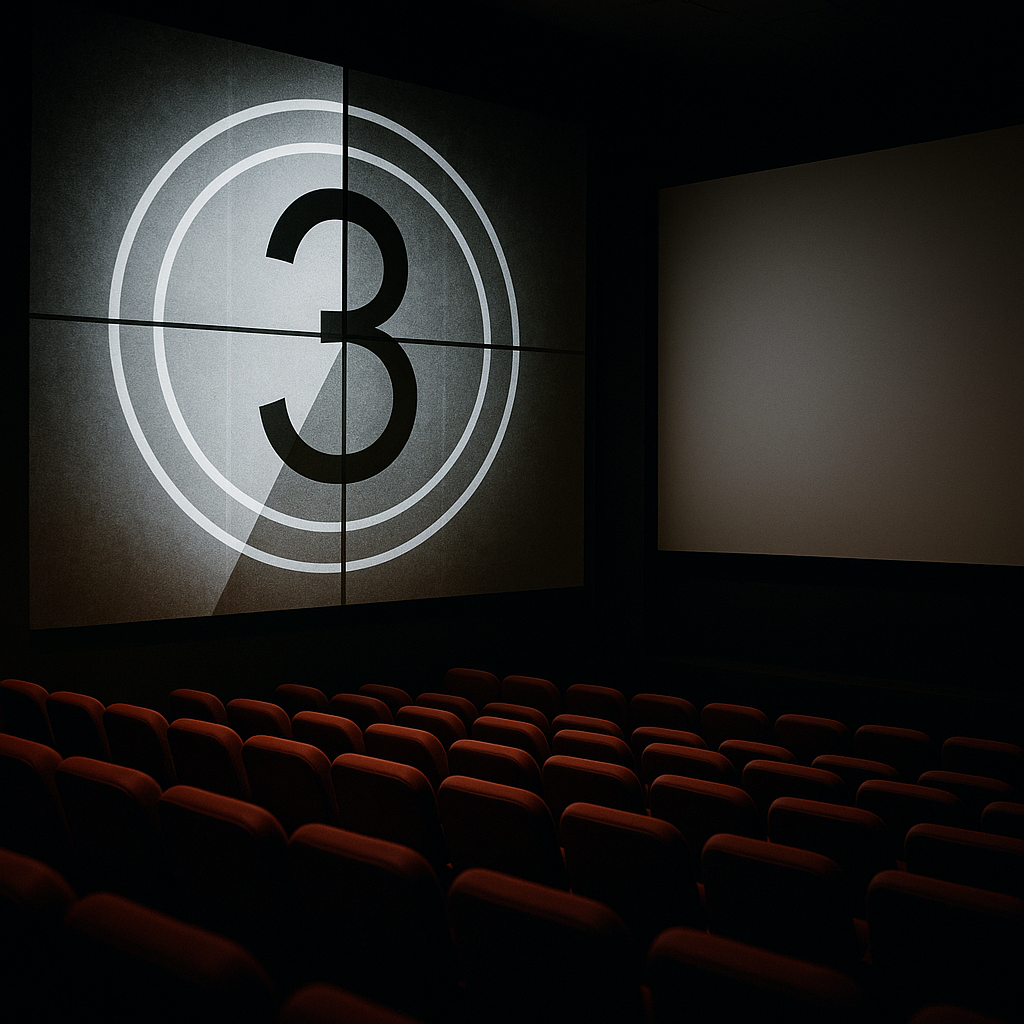
The Audience Perspective: Is Patience Wearing Thin?
Rothman’s comments resonate with cinema enthusiasts everywhere. Anecdotal evidence—and complaints on social media—frequently call out lengthy pre-show entertainment as a top grievance. A 2026 survey by CinemaScore revealed that 68% of respondents preferred shorter ad durations in theaters, citing disruption to immersion and unnecessary delays as key concerns.
“It’s like I’m paying extra to be marketed to,” said Elijah Cooper, a regular moviegoer interviewed outside an AMC theater in Chicago. “When I budget time for a two-hour film, I don’t expect the first 30 minutes to feel like an endless commercial break.” Others echoed similar frustrations, highlighting the strain on family audiences with young children, who struggle to sit through long preambles.
However, proponents of extended trailers argue that audiences still benefit from previews highlighting diverse upcoming releases. “Major studios often spend millions on these carefully choreographed teasers,” a studio representative told The Hollywood Reporter. “They remain one of the most effective ways to ensure smaller titles don’t get eclipsed in a competitive market.”
The Changing Landscape of Cinema Entertainment
Rothman’s critique aligns with ongoing debates about how theaters must modernize to remain competitive in the age of Netflix, Disney+, and other disruptive streaming platforms. Increasingly, theaters are exploring ways to focus on the core moviegoing experience—from installing premium reclining seats to designing art-house style auditoriums emphasizing intimacy.
The shift isn’t just about eliminating excess ads but recalibrating the industry’s value proposition. For Rothman, the issue is existential. “We’re not just selling movies; we’re selling escapism,” he said during CinemaCon. “When escapism turns into monotony, exhibitors undermine their own product.” Analysts, like Scott Friedman of Entertainment Scopes, agree. “What Rothman is proposing isn’t only valid—it’s necessary. Theaters must ensure every minute of the experience adds to the overall value.”
Another potential avenue for innovation involves digital tools. AI and advanced analytics could let exhibitors better tailor ad content to specific local audiences, improving relevance without extending viewing times. A focus on dynamic adaption may both preserve ad revenue and minimize frustration.
What’s Next for Theater Chains?
As Rothman’s remarks ripple across the industry, all eyes turn to theater owners and their upcoming choices. Will chains trim down ad durations in response to audience dissatisfaction? Could premium service tiers featuring ad-free screenings become more common? And how will studios, dependent on trailers for marketing, reconcile shorter runtimes?
For now, Rothman has succeeded in opening an overdue conversation. If cinemas hope to remain more than just destination points amidst streaming dominance, they’ll need to heed such consumer-focused critiques while redirecting attention to what made theaters magical in the first place: the movie itself.
Rothman’s vision emphasizes a more audience-friendly approach, potentially setting the stage for large-scale change in exhibition strategies. As the next marquee blockbusters roll out in coming months, it will be interesting to see whether audiences notice the difference—or whether theaters will continue to toe the line between profit and participation.
Until then, one thing remains clear: the ad-heavy pre-show experience could soon face its biggest challenge yet.