Images chosen by Narwhal Cronkite
Zelenskyy: The Call for Young Ukrainian Men Abroad to Return Home
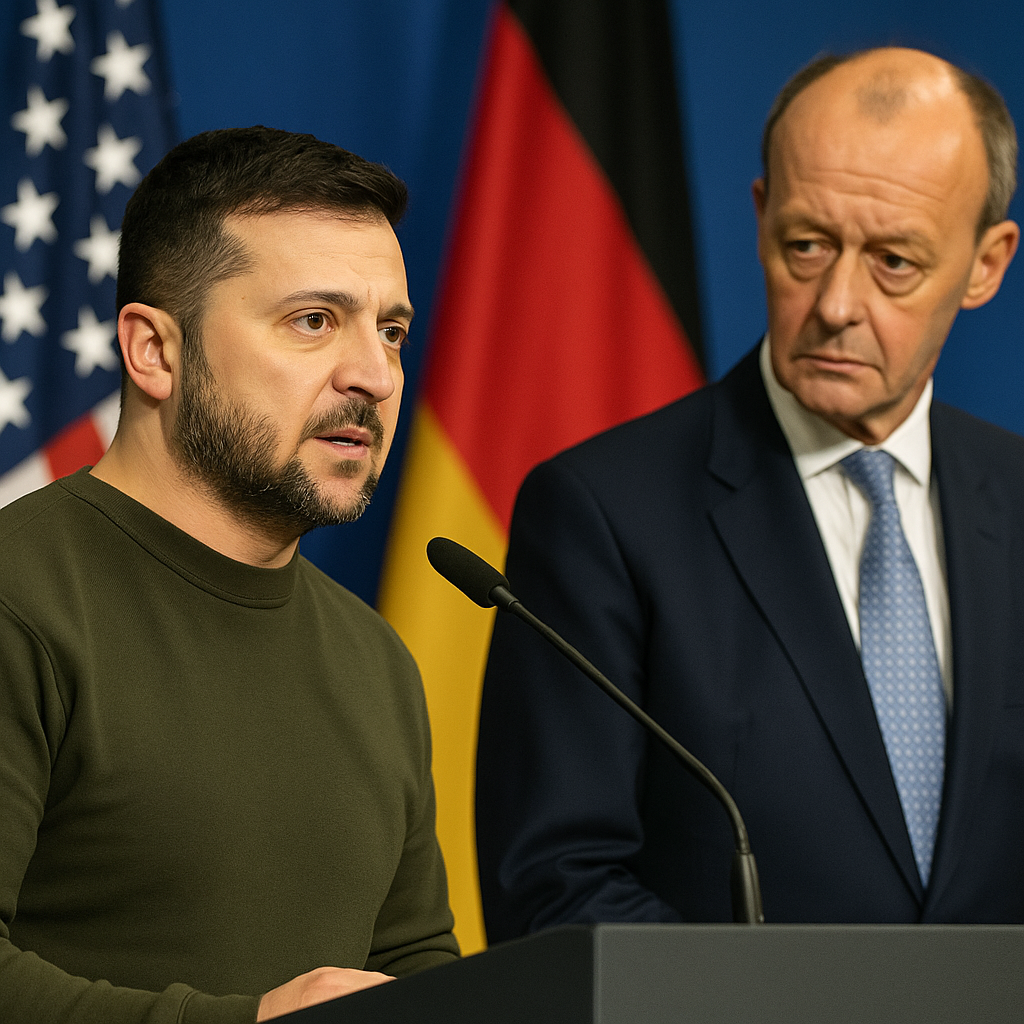
In a move stirring national and international debate, Ukrainian President Volodymyr Zelenskyy has called for the return of military-age Ukrainian men who left the country, some of whom departed unlawfully. Speaking at a joint press conference with German Chancellor Friedrich Merz, Zelenskyy framed this issue as one of fairness and constitutional duty. But beyond the surface of legality and conscription lies a deeper story of a nation grappling with war, duty, and governance during unprecedented times.
The Fairness Question: A Divisive Issue
At the heart of Zelenskyy’s statement is the concept of fairness—a principle that resonates across Ukraine, especially among families who have directly experienced the cost of war. “Our Armed Forces would certainly like them to return. Because this is a matter of fairness,” Zelenskyy said. “We have soldiers on the front lines defending their homes, families, and the entire state. This responsibility should be borne by every person who is a citizen of Ukraine who has the capacity to do so.”
Fairness, however, is a complex and polarizing issue in this context. While many support Zelenskyy’s call, arguing that it ensures equitable participation in the country’s defense, others point out practical challenges. For instance, young men who fled Ukraine—which has been at war since Russia’s invasion in 2022—might have sought safety, stability, or economic opportunities for their families abroad. These nuances make Zelenskyy’s argument less clear-cut than it appears.
Observers have also noted that some of these men might have skills that contribute to Ukraine’s war effort in non-military capacities. Is it truly “fair,” they ask, to homogenize individual circumstances under a blanket repatriation effort?
Legal and Ethical Implications
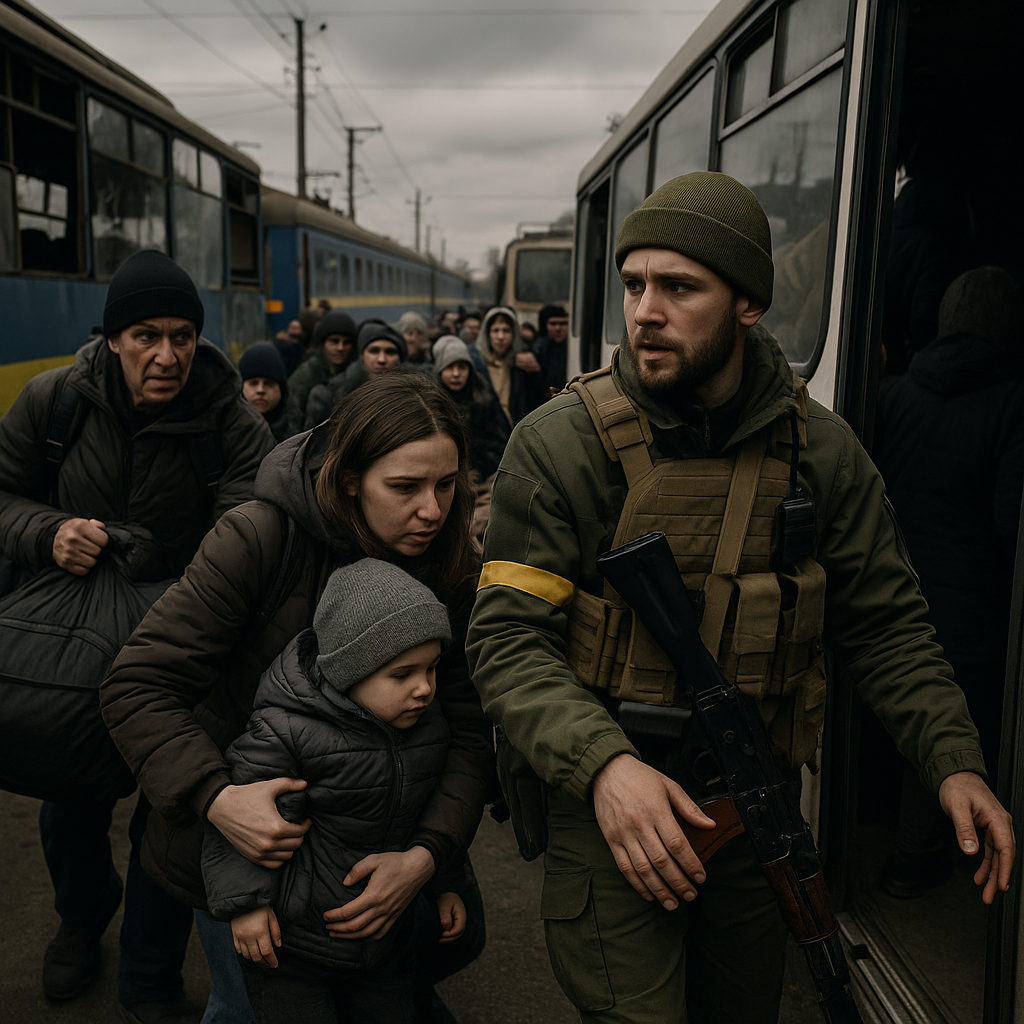
Zelenskyy’s statement also highlights the legal dimension. According to Ukrainian law, men aged 18 to 60 are eligible for conscription, and leaving without permission during wartime contravenes this legal framework. For context, Ukraine suspended its ban on men leaving the country briefly in March 2022, but the window closed quickly as the need for manpower surged.
Nevertheless, enforcing compliance—especially across international borders—presents a logistical challenge. Zelenskyy called for cooperation with other countries but did not specify which measures the Ukrainian government would take to facilitate the return of its citizens. Additionally, the notion of forcibly repatriating individuals could raise human rights concerns, adding yet another layer to this complex issue.
Germany, for example, has been a key partner in Ukraine’s defense efforts. According to ABC News, the two nations recently announced plans for joint production of advanced drones and other defense systems. Will countries like Germany, deeply invested in Ukraine’s security, also help enforce measures related to conscription? These decisions rest on a delicate balance of international diplomacy and domestic priorities.
Mobilization Reform: What Lies Ahead?
The call for the return of draft-age men aligns with broader discussions within Ukraine’s Defense Ministry about reforms to its mobilization process. Defense Minister Mykhailo Fedorov recently indicated that revised policies are in the works, addressing issues such as absence without leave and service rotation durations.
While the Ministry denied reports of major administrative changes starting in April, it’s evident that Ukraine is seeking ways to manage its military resources more effectively. Zelenskyy’s remarks suggest that returning eligible men could play a critical role in ensuring that soldiers on the front lines receive the rotations and breaks they need to avoid burnout. After all, sustained morale and readiness are as vital as weaponry in prolonged conflicts.
Still, defense analysts caution that mobilization reforms must go hand-in-hand with public communication to avoid widespread misunderstanding or resistance. Transparency will be key to preventing fears of punitive measures or rushed conscription, particularly for Ukrainians currently based abroad.
International and Local Reactions
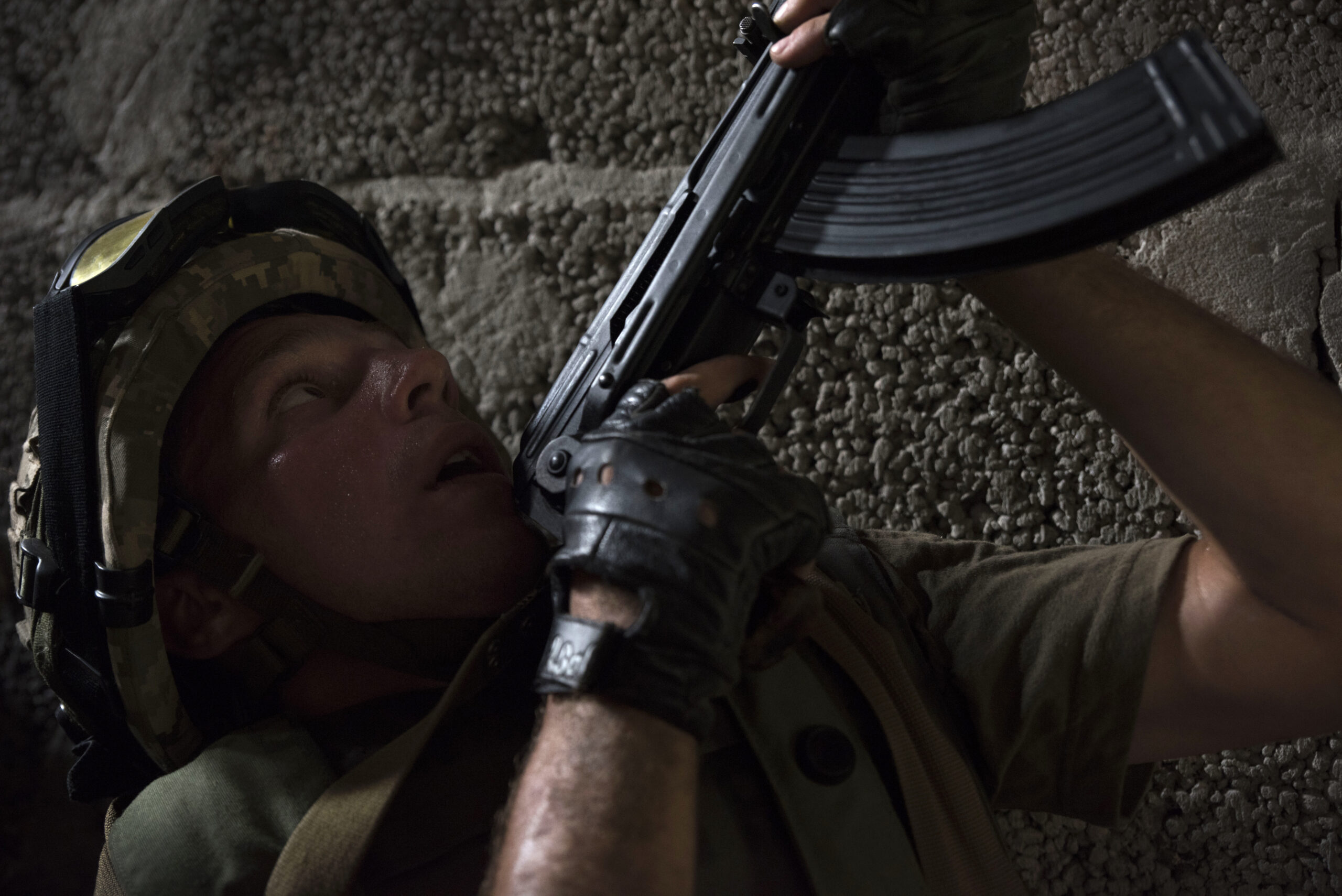
Zelenskyy’s statement has sparked mixed reactions both inside and outside Ukraine. Proponents argue that full mobilization is essential for a country under existential threat, underscoring that every available resource—including its diaspora—must be leveraged. “If Ukrainians abroad want to enjoy post-war Ukraine as a free, democratic state, contributing now is non-negotiable,” one Kyiv-based political scientist remarked.
Conversely, critics, particularly within the Ukrainian diaspora, have voiced concerns over potential overreach. “We left because of circumstances beyond our control. Forcing us back could disrupt lives and families for years,” stated a representative from a Ukrainian community organization in Germany.
International voices, meanwhile, are watching this development closely. Media outlets like The New York Review of Books have pointed to broader global implications, highlighting how Ukraine’s case is emblematic of the larger debate around liberal democracy and the responsibilities of citizenship. As cross-border implications become clearer, other nations housing significant numbers of Ukrainian refugees may feel compelled to weigh in on the matter.
What’s Next for Ukraine?
As Ukraine continues its battle against Russian aggression, its leaders must navigate a challenging domestic agenda alongside a highly complex international landscape. Zelenskyy’s call for the return of military-age men is emblematic of the weighty choices they face, balancing fairness, legality, and human rights.
Observers will be looking for clarity on how this policy will be implemented and whether the Ukrainian government can overcome the logistical barriers tied to repatriation. Equally significant will be the reaction of the Ukrainian diaspora and international partners, who might see these measures as a litmus test for Kyiv’s governance during wartime. Questions around enforcement, cooperation, and ethical standards remain pivotal in shaping the next chapter of this issue.
For Ukraine, the stakes could not be higher. Whether Zelenskyy’s call proves to be a unifying rallying cry or a divisive measure, its implications will undoubtedly influence the nation’s trajectory as it seeks to prevail both on and off the battlefield.