Images chosen by Narwhal Cronkite
ICE Agent Charged with Assault: A Broader Look at Accountability in Law Enforcement
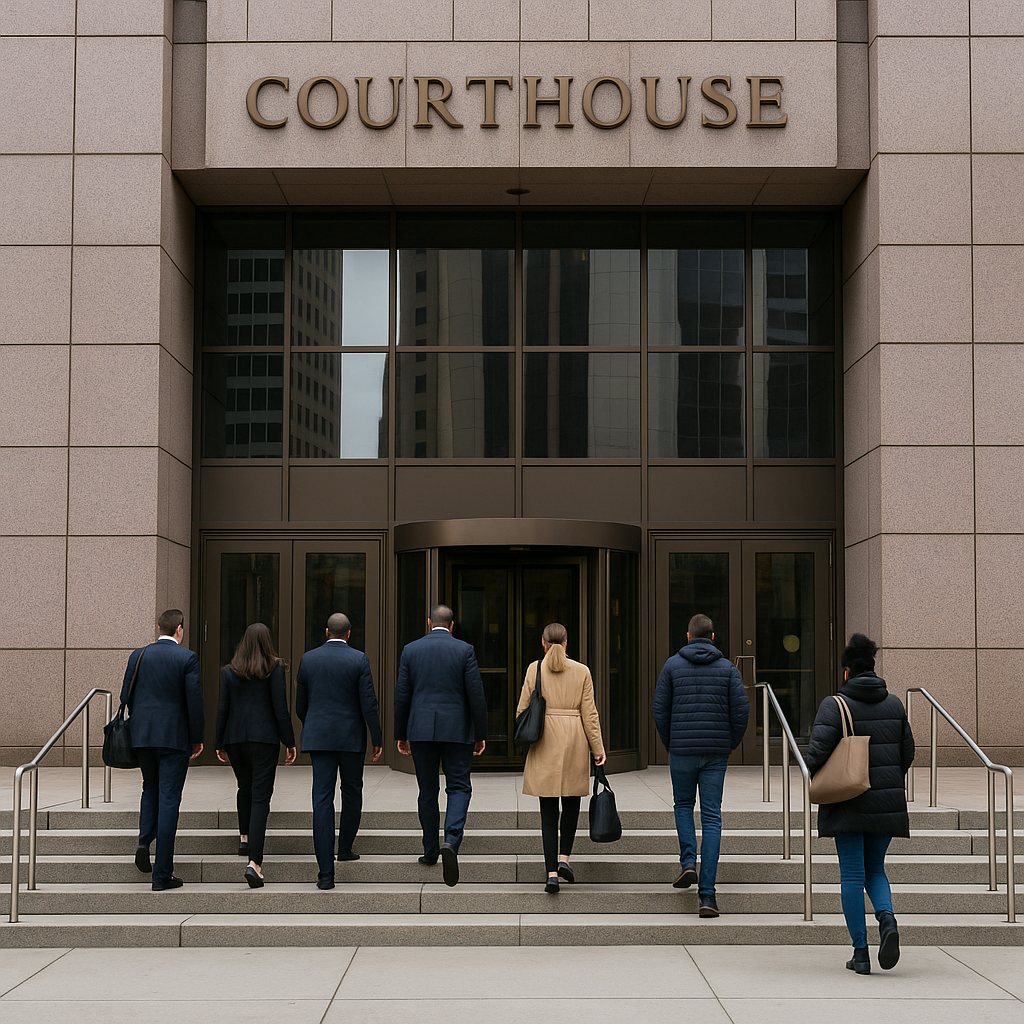
In a case that has reignited debates over federal law enforcement accountability, Minnesota prosecutors have charged an Immigration and Customs Enforcement (ICE) agent with assault. An arrest warrant has been issued in Minneapolis, bringing renewed scrutiny to the practices of federal agents involved in immigration enforcement. This development echoes ongoing concerns of systemic issues in law enforcement institutions, illustrating deeper tensions between local governance and federal agencies.
Federal Accountability Under the Microscope
While details of the assault charge remain sparse, this case is not an isolated incident. As reported by NPR earlier this month, federal probes into shootings involving ICE agents in Minnesota have stalled, leaving victims’ families and local officials demanding transparency. According to NPR, the Trump administration has been accused of withholding critical evidence regarding cases where ICE agents allegedly fatally shot U.S. citizens Alex Pretti and Renee Macklin Good in Minneapolis.
What makes this case particularly notable is Minnesota’s decision to pursue charges against a federal agent—a rare move that demonstrates growing frustration among local governments with federal institutions. “It’s a clear signal that when accountability from higher authorities is lacking, local jurisdictions may feel compelled to step in,” said one legal analyst observing the case.
Patterns of Disputed Federal Conduct
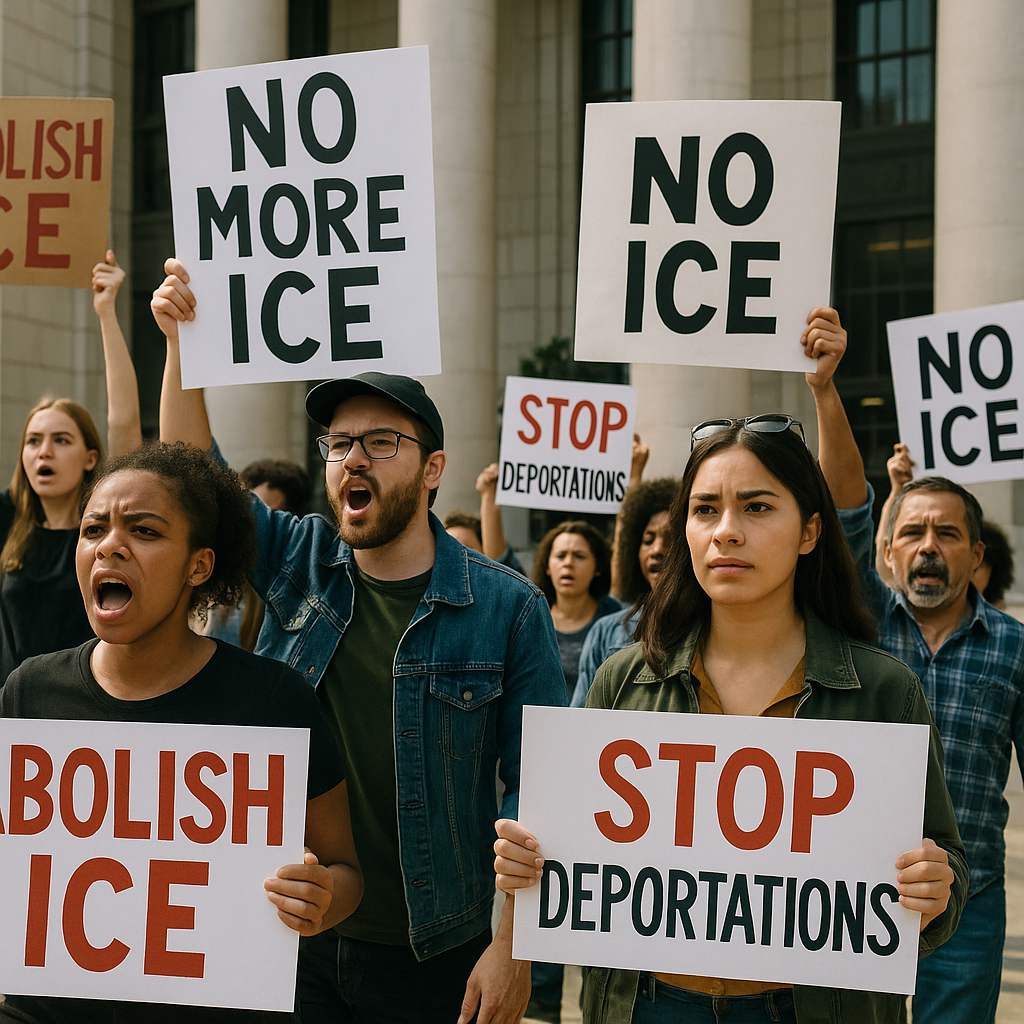
This case reflects broader patterns of alleged misconduct and abuse by ICE agents nationwide. Investigative reporting by ProPublica revealed that more than 300 protesters and bystanders were arrested on charges like assaulting immigration agents or interfering with law enforcement during anti-ICE protests. However, as ProPublica and FRONTLINE found, many of these cases fell apart due to insufficient evidence or claims that lacked merit.
Such patterns feed persistent narratives of federal overreach, with critics citing parallels to militarized policing tactics. A Dnyuz.com profile on ICE agents described their operations as resembling paramilitary strategies, suggesting these groups often operate in ways that challenge traditional oversight mechanisms.
Meanwhile, advocates within federal law enforcement argue that ICE agents are often targeted unfairly in the political arena. “Federal officers are on the front lines of enforcing U.S. laws,” said a retired ICE official. “While scrutiny is important, broad generalizations about misconduct harm the morale of agents risking their lives every day.”
The Political Pressure Weighing on Law Enforcement Oversight
The Civil Rights Division of the Department of Justice (DOJ) under Harmeet Dhillon has undergone substantial reform efforts aimed at tightening accountability. According to The Atlantic, Dhillon’s tenure has reshaped investigative priorities, with greater focus on civil rights violations by law enforcement agencies.
However, critics argue that political pressure, especially under the Trump administration, has hampered progress toward meaningful oversight. For instance, lawsuits have been filed by Minnesota officials arguing that federal authorities withheld essential evidence related to ICE misconduct. Salon analyzed how arrests at anti-ICE protests surged under Trump, noting the judicial systems’ repeated struggles to substantiate these prosecutions.
Legal experts say this tension creates a precarious dynamic, where federal law enforcement agencies must balance politically driven mandates with ethical obligations to uphold justice fairly and transparently.

What’s Next for Law Enforcement Reform?
The ICE agent charged with assault in Minnesota represents more than an isolated incident—it symbolizes broader questions of accountability within federal policing systems. The case could set a precedent for holding federal agents responsible in local courts, underlining the role of state and local governments in pushing for deeper systemic reform.
On the other hand, this case also illustrates the challenges faced by overburdened local judicial systems. Analysts fear that without federal cooperation, cases like this may not yield substantial outcomes, potentially eroding public trust in the justice system.
For reform advocates, the implications are significant. “If state-level actions like Minnesota’s assault charge gain traction, it could signal the arrival of a new age of multi-jurisdictional accountability,” noted one civil rights attorney. However, analysts emphasize the need for consistency across jurisdictions to ensure long-term impact.
Conclusion: A Call for Transparency
The ICE agent assault charge by Minnesota prosecutors has sparked debates that extend beyond the specific case—it’s about how law enforcement, especially federal agencies, can be held accountable in an age increasingly characterized by political polarization. As the case unfolds, industry observers stress the importance of transparency throughout the process, while urging for further investigations into long-standing allegations of abuse.
This case could shape the future of both local autonomy and federal oversight. All eyes will be on Minneapolis as legal proceedings and public reactions unfold, offering crucial lessons for states and federal agencies across the nation.