American drivers paid more for gasoline over Labor Day weekend than in any previous year, with the national average reaching $4.14 a gallon – nearly a dollar above the same weekend in 2025 and well beyond the holiday record of $3.82 set in 2012, according to the AAA motor club.
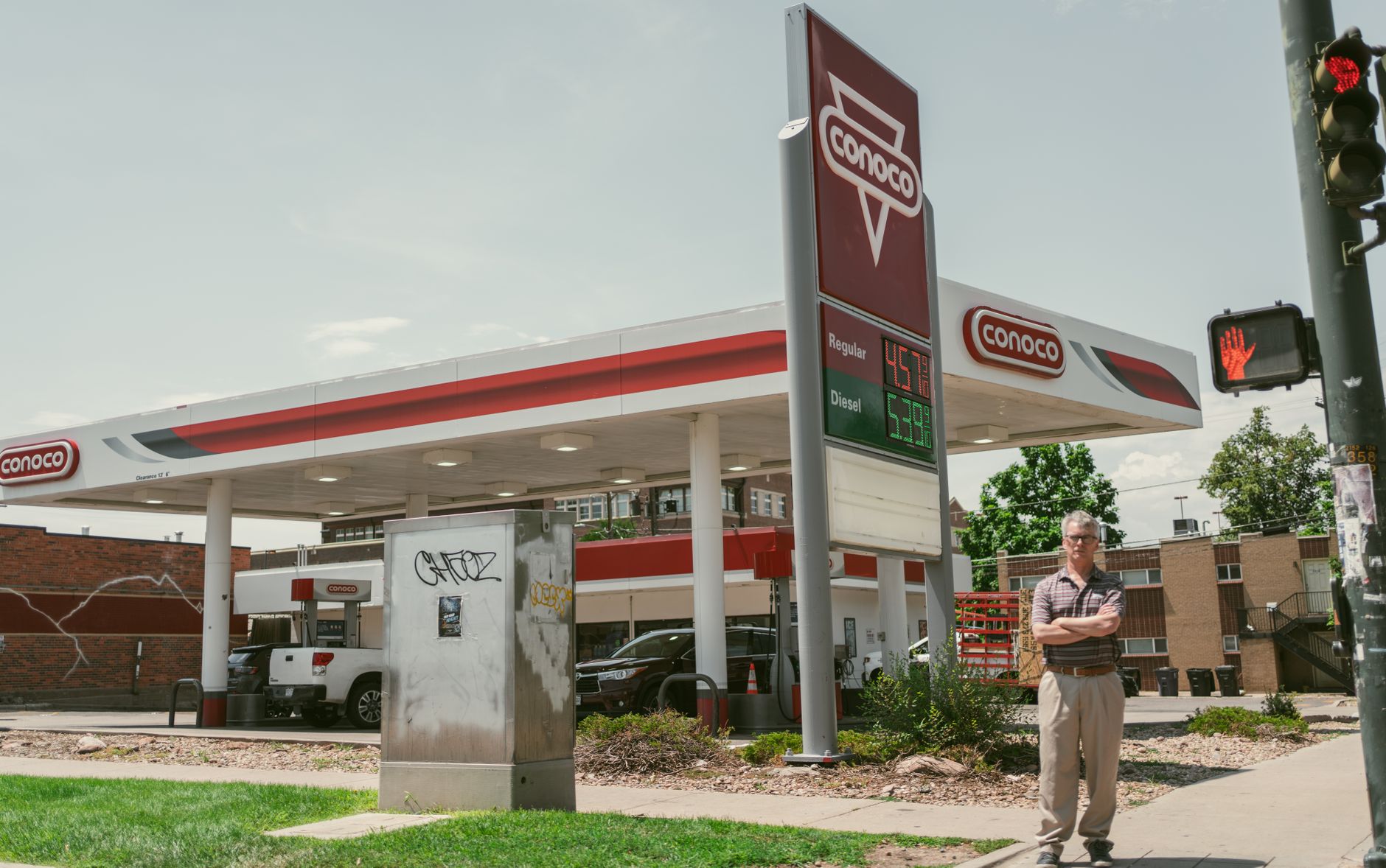
The figures, reported by the Associated Press, cap a year in which fuel costs have been driven by a combination of war and refinery breakdowns rather than by ordinary demand.
The Strait of Hormuz
The dominant factor sits in the Persian Gulf. Prices climbed sharply after the United States and Israel attacked Iran in February, and crude traffic through the Strait of Hormuz has since plunged, with Iran refusing to reopen the waterway.
The strait is the most consequential chokepoint in the global energy system. It is the only sea route out of the Gulf, and a substantial share of the world’s seaborne crude and liquefied natural gas passes through a channel whose shipping lanes are a few miles wide. Constriction there does not affect only the barrels that would have moved through it: every cargo that has to be sourced elsewhere bids up the price of the barrels that remain available.
That is why American pump prices respond to a waterway thousands of miles away from any US refinery. Crude is priced globally, and a disruption anywhere sets the price everywhere.
The refinery problem
The second factor is domestic and less visible. Less gasoline is coming out of refineries, and refining capacity is the step that determines how much of an expensive barrel of crude actually reaches a pump as fuel.
US refining has been tight for years. Several facilities closed or converted to renewable diesel production over the past decade, leaving a thinner margin for absorbing outages. When a large refinery goes down – for maintenance, for a fire, for a unit failure – the regional market feels it immediately, because there is little idle capacity to make up the volume.
Crude costs and refining margins together mean drivers are paying a premium at both stages: more for the raw barrel, and more for the process that turns it into gasoline.
What drivers actually experience
A national average conceals wide regional variation. States on the West Coast, which have their own fuel blend requirements, limited pipeline connections to the rest of the country and higher taxes, routinely run well above the national figure. Gulf Coast states, sitting next to the refineries, run well below it. The spread between the most and least expensive states can approach two dollars a gallon.
The household impact scales with driving distance rather than income, which is why sustained high fuel prices fall hardest on rural and exurban drivers who commute long distances in less efficient vehicles – and why the political salience of a number posted on signs at every intersection consistently outruns its share of a typical household budget.
The market expects relief
There is a genuine signal pointing down. Gasoline futures for November delivery are trading about 35 cents below current prices, which means traders with money at stake expect meaningful declines within two months.
Some of that is seasonal and reliable. Refineries switch from summer-grade to winter-grade gasoline in September, and winter blends are cheaper to produce. Demand also falls once the summer driving season ends, taking pressure off both crude and refined product markets.
The rest depends on the Gulf. If Hormuz traffic stays constricted, the seasonal decline arrives on top of a structurally elevated floor rather than returning prices to where they were. Futures markets price the situation as it is currently understood; they do not price what has not happened yet, which is the standing caveat on any forecast that rests on an unresolved conflict.
The comparison worth making
The 2012 record that just fell was set during a different kind of squeeze – tight global supply amid strong emerging market demand, without a shooting war attached to a chokepoint. That episode resolved as supply caught up, and prices spent much of the following decade lower.
This one has a specific and identifiable cause. Prices will ease as the season turns, and further if the strait reopens. Neither of those is in the hands of anyone who sets prices at a pump.