Images chosen by Narwhal Cronkite
Anti-AI Sentiment Is On the Rise—and It’s Starting to Turn Violent
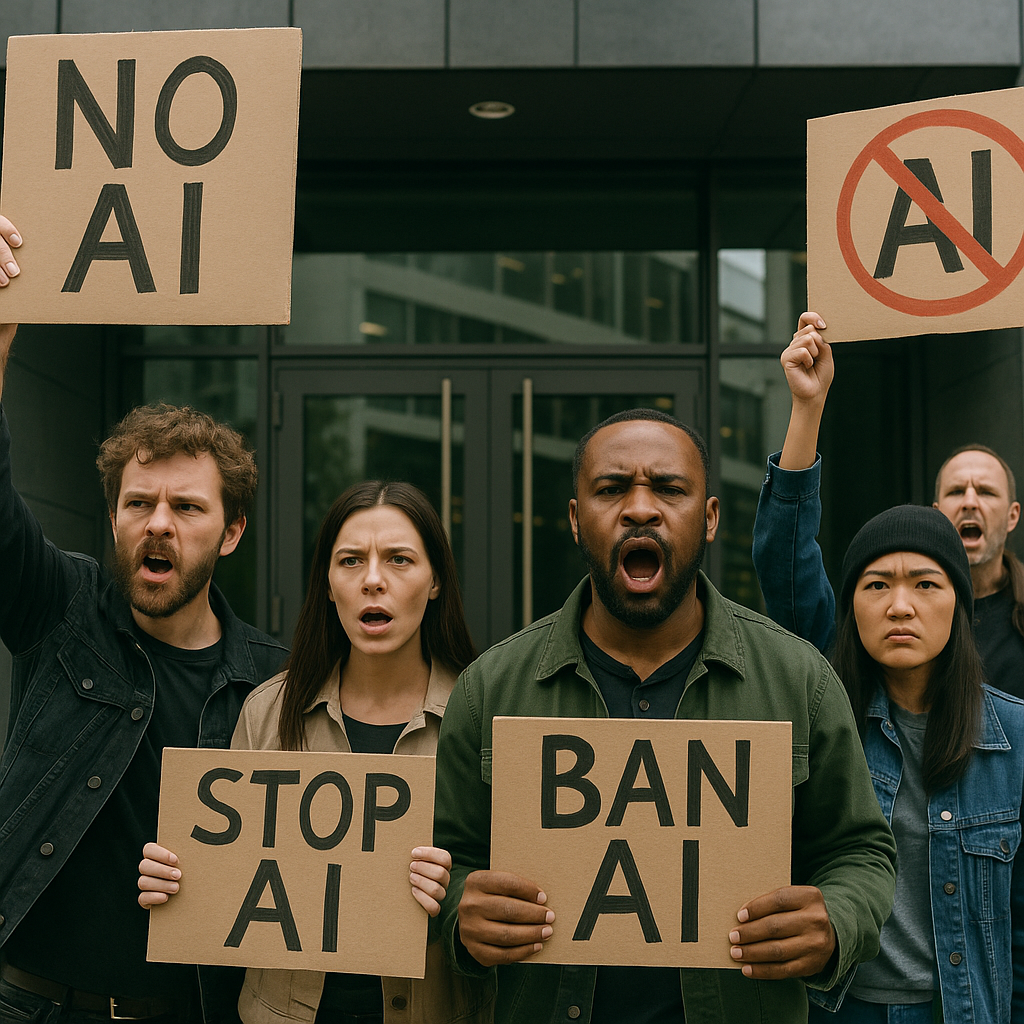
Over the weekend, a disturbing series of events unfolded that highlighted the growing intensity of anti-AI sentiment. On Friday, a man threw a Molotov cocktail at the gate of OpenAI CEO Sam Altman’s residence. Shortly thereafter, he attempted to break into OpenAI’s headquarters in an act of defiance. Two days later, a firearm discharge near Altman’s property raised further concerns about security and marked a troubling escalation in public opposition to artificial intelligence technologies.
The Roots of Anti-AI Resentment
While initial speculations tied these acts of violence to “AI doomers”—individuals who believe artificial intelligence poses existential threats—larger societal tensions are undoubtedly at play. Polls consistently reveal growing skepticism about AI’s impact on jobs, the environment, ethics, and psychological health. According to a March NBC News survey, only 26% of voters have a positive view of AI, compared to 46% who hold negative impressions. These numbers make AI less popular than even controversial entities like Iran or political parties.
Generational divides further exacerbate this sentiment, particularly among younger demographics. A Gallup poll last week showed Gen Z enthusiasm about AI plummeting from 36% to 22% within a year. Alarmingly, anger rose from 22% to 31%, with respondents voicing concerns that AI’s automation is eroding entry-level job markets, historically a stepping stone for career growth.
From Fear to Fuel: Corporate Messaging
Much of the anti-AI rhetoric inadvertently stems from tech leaders themselves. For years, companies like OpenAI, Anthropic, and others have been explicit about the risks associated with their innovations. Anthropic’s recent debut of its “Mythos” model included warnings that the technology might be too dangerous for public access. Whether intentional or not, this fear-driven messaging has amplified public concern.
Industry observers point out that while highlighting risks is necessary for responsible development, it may be backfiring as consumers interpret these warnings as proof that AI is an uncontrollable force threatening society as a whole.

Environmental and Psychological Concerns
Beyond job displacement, AI’s environmental toll has become a flashpoint. According to researchers, training large-scale models consumes vast amounts of electricity and produces significant carbon emissions. This seldom-discussed impact has sparked growing criticism, particularly among environmentalists who argue that AI development is misaligned with global sustainability goals.
Psychological harm linked to AI is another burgeoning issue. Multiple lawsuits have already been filed blaming AI algorithms for incidents ranging from addiction to emotional distress. Tragically, some cases allege that harmful interactions with AI chatbots or platforms contributed to mental health crises, including adolescent suicides. As more of these stories emerge, the backlash appears to be emboldened.
The Rise of Violence: A New Phase in Opposition
Violence targeting AI leaders and organizations marks an unsettling turning point. Historically, technological revolutions have encountered resistance—a notable example being the Luddites during the Industrial Revolution who protested against mechanized labor. However, the emergence of organized hostility toward AI aligns more closely with broader ideological and existential debates about humanity’s future.
The manifesto allegedly authored by the suspect in Friday’s attacks referenced humanity’s extinction, echoing fears stoked by prominent academics and tech visionaries who warn of AI-driven societal collapse. Yet analysts are quick to note that this impassioned subgroup of opponents might not be responsible for the broader wave of skepticism. Instead, critics from various walks of life—including policymakers, advocates for labor rights, and environmental groups—are adding fuel to the growing anti-AI movement, often amplifying dissatisfaction without resorting to violent means.
What’s Next for AI Development?
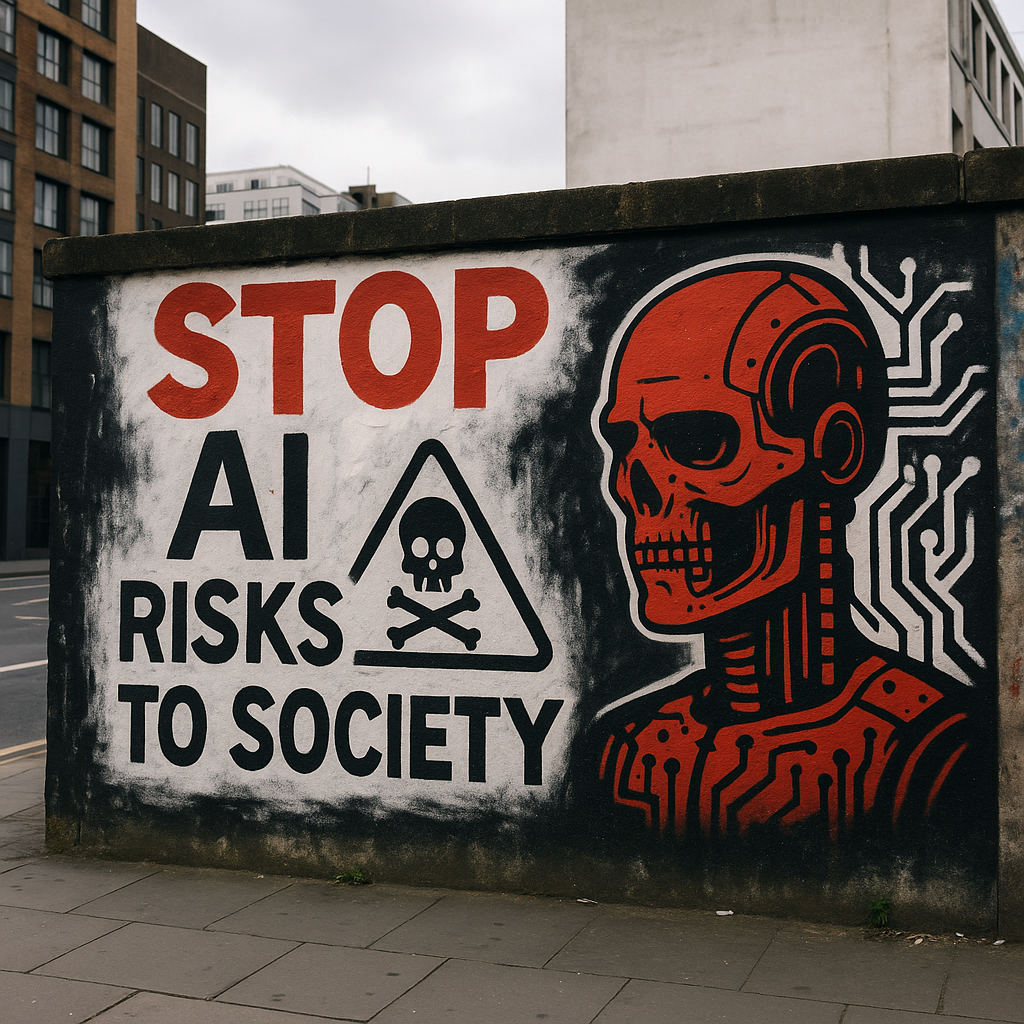
The sharp rise in opposition poses serious challenges for the AI industry. Companies must navigate a complex landscape that includes both advancing innovation responsibly and addressing legitimate public concerns. As observed by Fortune, AI labs may need to reconsider their current mix of fear-based marketing with proactive efforts to educate consumers about the tangible benefits of artificial intelligence.
Governments worldwide have also begun stepping in: The European Union has accelerated efforts to regulate AI systems under its AI Act, focusing on transparency and ethical usage. Meanwhile, in countries like the United States, legislators are scrutinizing AI’s implications for job markets and privacy.
Implications for Society
If violence continues, profound implications could ripple across the industry and society. Companies may face heightened security costs, while policymakers could use these incidents as justification for stricter AI regulations. Additionally, ethical practices concerning AI—including environmental sustainability—may gain traction as prominent talking points in public debates.
The challenge lies in finding a balance that preserves innovation while responsibly addressing the growing list of public grievances. With anger toward AI seemingly intensifying, companies and governments alike must act decisively to prevent further escalation. Transparency, meaningful dialogue, and accountability will be critical to rebuilding public trust in an age increasingly shaped by artificial intelligence.
A Complex Future Awaits
The rise in anti-AI sentiment—culminating in violent incidents—underscores the urgent need for reflection and recalibration across the tech world. While AI has unleashed remarkable progress, it has simultaneously sparked intense societal debate. As this tension escalates, the future of AI may increasingly hinge on how companies, regulators, and communities address these concerns.
For industry leaders, the stakes are clear: more transparent communication, rigorous ethical standards, and collaborative efforts will be essential moving forward. Meanwhile, the broader public—concerned with job security, environmental costs, and mental health—will need assurances that their concerns are being heard and addressed meaningfully.
While evolution often brings friction, the current wave of resistance serves as a stark reminder that innovation must always be balanced with empathy, responsibility, and a focus on the common good.