Images chosen by Narwhal Cronkite
US Lifts Sanctions on Russian Oil Despite Earlier Assurances
The United States recently made waves on the global stage by lifting sanctions restrictions on Russian oil shipments, contradicting prior public assurances from the administration. This move not only raises geopolitical questions but also highlights underlying complexities tied to energy security and global diplomacy.
Surprise Shift in U.S. Policy
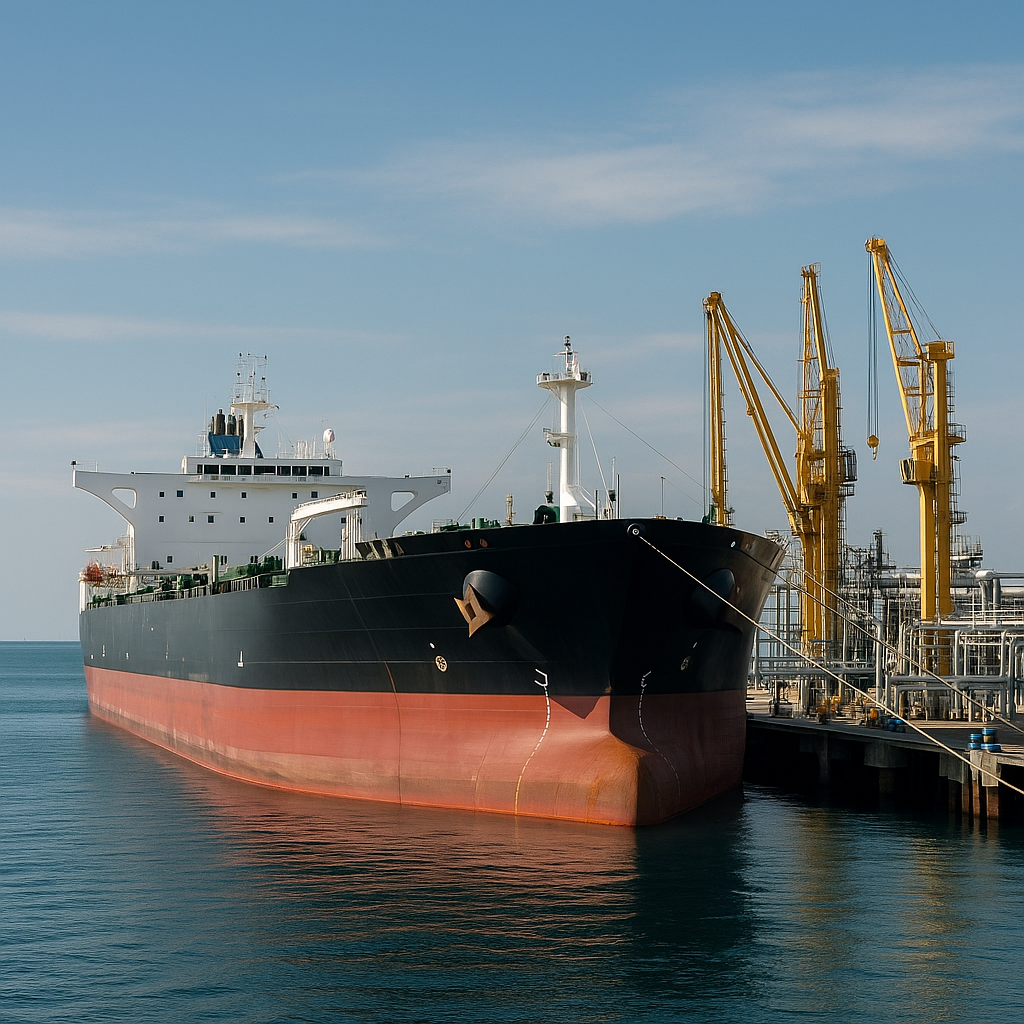
Just days after U.S. officials pledged not to extend sanctions exemptions on Russian oil, the Department of the Treasury reversed course, releasing General License 134B. This license temporarily authorizes the delivery and sale of Russian crude oil and petroleum products loaded onto vessels as of April 17, 2026. According to the announcement, this authorization lasts for 30 days.
The change follows a similar exemption granted in mid-March, during which the U.S. eased restrictions temporarily to allow transactions for oil already at sea. At the time, Treasury Secretary Scott Bessent downplayed the revenue impact on Russia, estimating earnings at a modest $2 billion. However, last week he assured reporters that no further extensions would occur—a statement that is now contradicted by General License 134B.
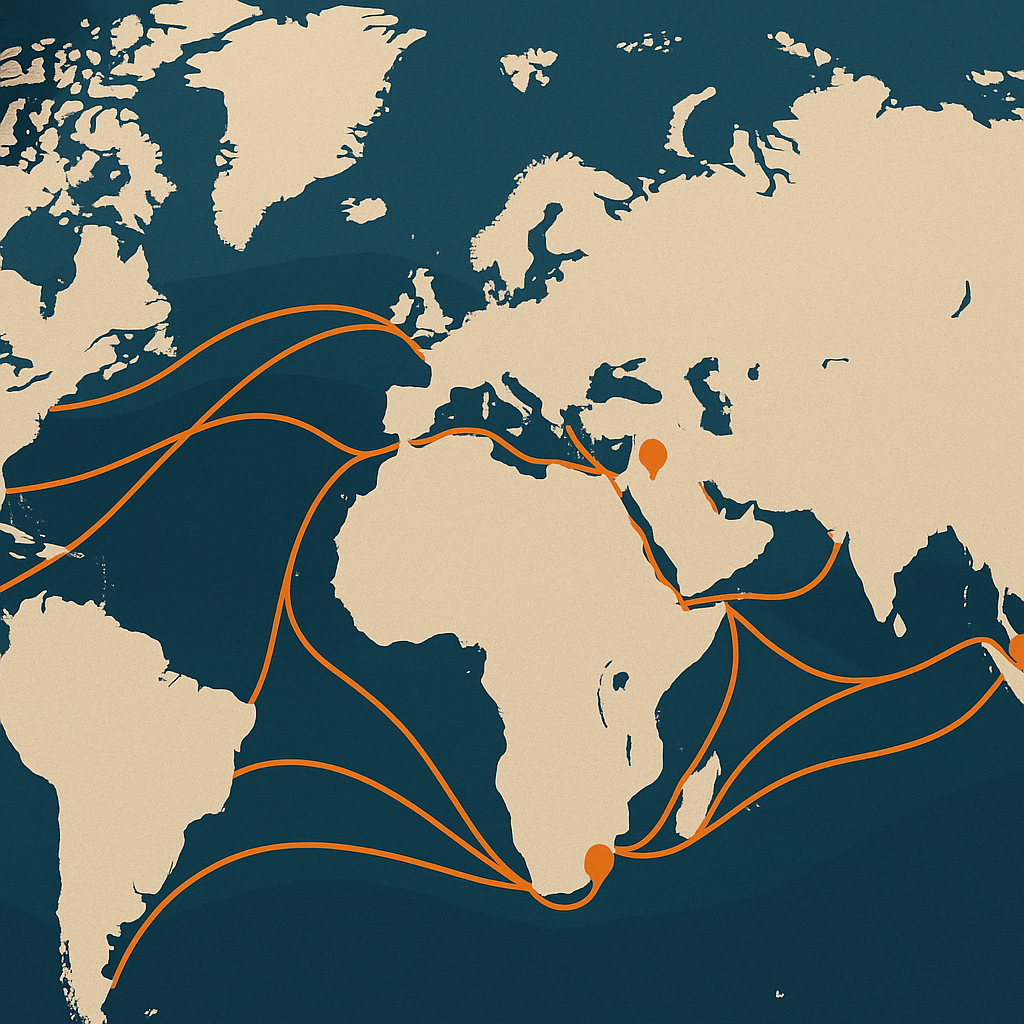
Industry observers speculate on what prompted this shift, pointing to mounting pressures tied to energy scarcity and the ongoing conflict in the Strait of Hormuz. As reported by the Financial Post, Indian Prime Minister Narendra Modi recently discussed regional security and energy supply concerns during a call with President Donald Trump. The Iran war, coupled with maritime blockades, has stoked fears of a global energy crisis and may have complicated U.S. calculations.
Energy and Diplomacy: A Delicate Balancing Act
For Washington, the energy crisis is a multifaceted challenge requiring compromises that appear to contradict its stated objectives. The U.S., while committed to penalizing Moscow for its geopolitical activities, now finds itself navigating an increasingly fragile global oil supply chain.
David Patel, a Middle East energy analyst, explained to NarwhalTV: “The Strait of Hormuz blockade impacts oil flows from major exporters like Saudi Arabia and Iraq. This creates ripple effects that weaken global supply and magnify dependency on other sources, including Russian crude. Right now, energy security might be taking precedence over geopolitical principles.”
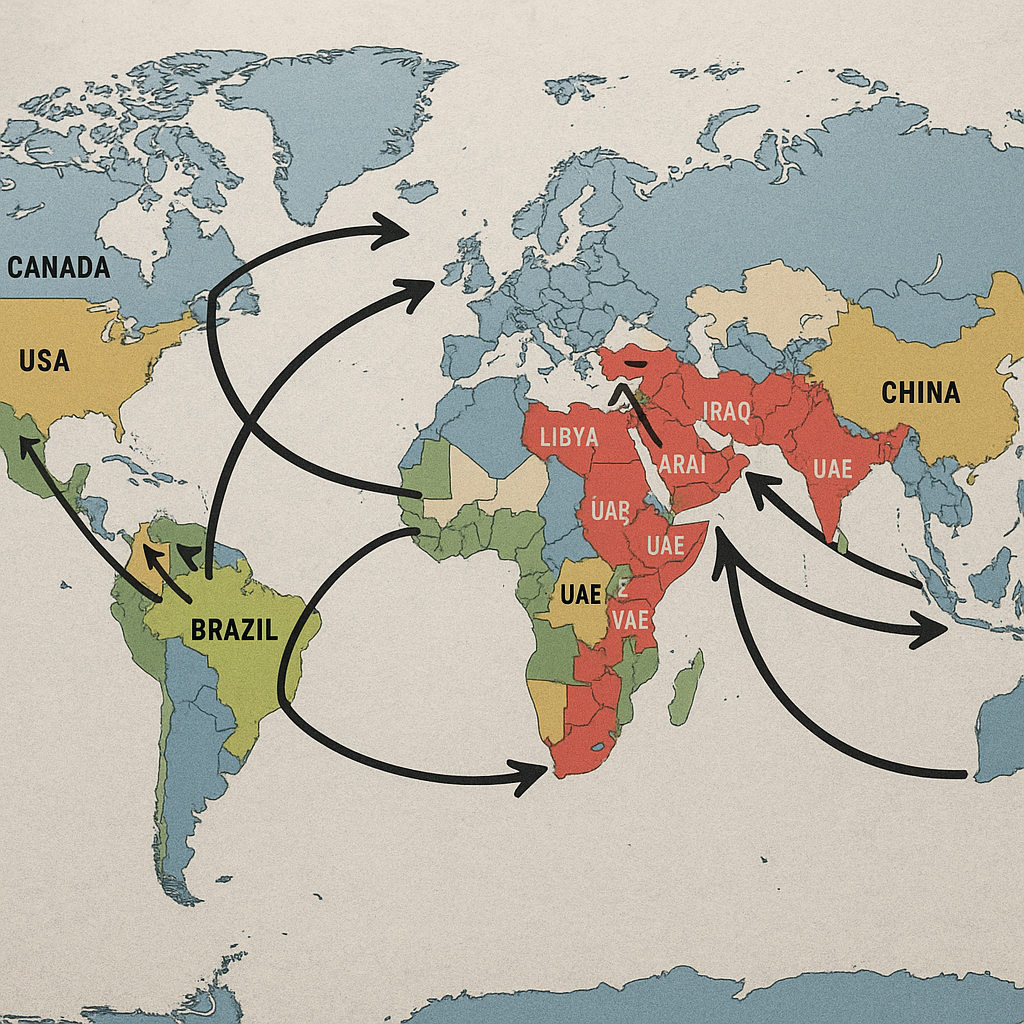
Moreover, U.S. allies are adapting to the evolving realities of the oil market. India, for instance, has increased imports of Russian oil over the past year, exploiting discounts offered amid Western sanctions. This has created tensions between Washington and New Delhi, as the latter balances domestic energy needs with international alliances.
What’s at Stake: Revenue, Global Power, and Perception
While the $2 billion projected revenue for Russia may appear insignificant compared to its larger economic footprint, analysts argue that every dollar counts, especially in wartime. “When a nation faces prolonged geopolitical strain, even marginal revenues can go a long way toward sustaining their efforts,” said energy economist Rachel Wong.
For the U.S., the loosening of sanctions risks drawing criticism—particularly from countries in Eastern Europe and those aligned with Ukraine. It could also strengthen accusations that Washington’s policies lack consistency in combating what it frequently calls “malign Russian activities.”
However, the decision reflects the balancing act global leaders must perform between hardline enforcement and pragmatic concessions. Matthew Keegan, a historian specializing in international relations, remarked: “Ticker politics often result in dichotomies. Leaders must stand firm publicly while dancing around challenging realities behind closed doors.” This duality is evident not only in U.S. policy but also among its allies, as they assess energy needs alongside broader diplomatic goals.
Context from the Broader Geopolitical Conflict
The decision to lift sanctions is inseparable from larger events centered on energy and security, particularly the Iran war’s fallout on oil transportation routes. The Strait of Hormuz, a geopolitical chokepoint, currently sees reduced traffic as tensions escalate between Iran and Western forces. Podcasts like ActivistPost’s Episode 495 and visual analyses from GlobalResearch.ca outline how such disruptions shape international supply and price stability over the long term.
“This feels like an endgame where everyone sacrifices something,” Patel noted, adding that continued unpredictability at sea will likely force even more concessions from major oil-importing nations. As the blockade drags on, countries reliant on Middle Eastern exports scramble for alternatives, further complicating diplomatic posturing against Russia.
Critically, the interplay between sanctions and resources underlines a core irony for the U.S.: combating energy volatility often comes at the cost of policies aimed at curtailing adversaries. In the current moment, Russian oil serves as both a problem and a partial solution—a paradox Washington must delicately resolve.
What Comes Next?
Looking ahead, stakeholders will watch for public reactions both domestically and internationally. Domestically, President Trump risks facing scrutiny over apparent policy inconsistencies. International allies, particularly within Europe, may call for clearer commitments to sanction enforcement, urging neutrality in energy decisions.
Observers also highlight that Russia’s oil strategy could evolve in response to these temporary openings, with Moscow potentially ramping up exports to strategic non-Western partners. Such shifts could deepen U.S. challenges in balancing punitive measures with energy pragmatism.
For now, decisions around Russian oil reflect the broader complexities of modern geopolitics, where idealism clashes with pragmatism and every policy action reverberates unpredictably. As tensions mount in regions like the Middle East, eyes remain fixed on how far Washington is willing to bend in order to maintain energy security amidst global crisis.