Images chosen by Narwhal Cronkite
My Residents Refused to Eat These: A Lesson in Assumptions and Appearances
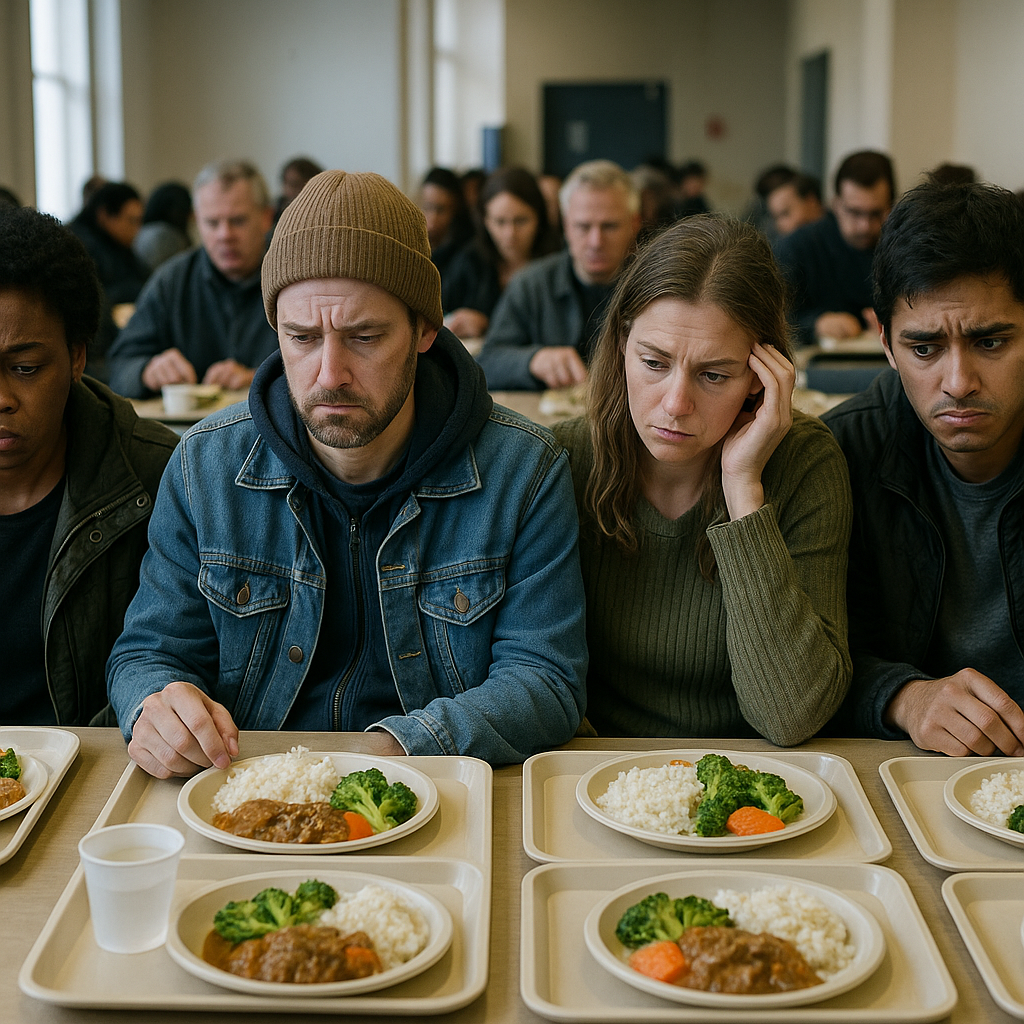
It looked like a straightforward challenge: introduce a visually unique ingredient into the community dining hall to spark curiosity. Instead, this experiment revealed just how powerful perceptions can be, taking on broader societal implications. The photograph linked above, featuring a dish that many in my community refused to eat because it resembled ‘rotten eggs,’ serves as more than a curiosity; it tells a story about mistrust, appearances, and unwarranted assumptions.
Misconceptions and Fear: Why Looks Matter More Than Taste
When diners walk into restaurants or dining halls, their judgments typically begin with their eyes, not their taste buds. In the case of this mysterious dish, the overwhelming rejection stemmed purely from its aesthetic resemblance to a dubious food item — rotten eggs — without anyone investigating whether the dish was actually fit for consumption. According to psychologists and food analysts, perceptions of food often override objective qualities like nutritional value or flavor profile.
“Humans make snap judgments about food based on its appearance because it’s an evolved survival behavior,” notes Dr. Amy Patel, a nutrition scientist specializing in sensory perception. “However, this instinct can lead to unnecessary bias against perfectly edible or even highly nutritious ingredients.”
A similar case can be seen in history, when quinoa was considered ‘ancient grain’ and avoided by Western markets for years until it gained mainstream acceptance. Today, similar judgments continue with ingredients that generate hesitation due to a lack of familiarity.

Community Dynamics: The Role of Shared Perceptions
Interestingly, the reluctance displayed in this dining hall extended beyond a single resident. Entire groups refused to approach the dish, citing fears over its appearance and imagined taste. This is reflective of a broader phenomenon in community dynamics: comments or reactions from others amplify collective behavior.
As noted by Adorableandharmless.com, groupthink often plays an underestimated role in perceptions — whether in conversations about graph manipulation or judgments about food appeal. Once an overarching opinion circulates, it can create a cascade effect.
Industry observers also emphasize how this dynamic manifests in non-food arenas. For example, TechCrunch recently detailed how All License Plate Recognition (ALPR) systems have garnered unwarranted mistrust in various schools, with some families refusing to comply based on widespread misinformation. Critics argue that this ripple effect, starting with the skepticism of a select few, explains why ALPR has struggled with fair adoption.
The Bigger Picture: Parallels in Urban Culture
The dynamics of food rejection mirror broader urban and societal patterns, especially in cities like London, where viral videos highlighting urban decay often distort public perceptions. As Londoncentric.media reported recently, sensationalist narratives have convinced people far removed from London that societal collapse is imminent, even when evidence suggests otherwise. Misperceptions fueled by visual appearances aren’t reserved for food or technology; they shape dialogue at the very heart of urban development.

Lessons for Changing Perceptions
How can we break cycles of misjudgment, be it toward food, community resources, or urban narratives? It begins with education and engagement. Analysts suggest introducing better context before allowing audiences to form snap judgments. Food scientists, like Dr. Patel, recommend serving visually unfamiliar dishes alongside educational placards highlighting their origins, uses, and health benefits.
Public technology resources can also benefit from rebranding efforts, as highlighted in Techdirt’s detailed account of ALPR technology controversies. By addressing misconceptions head-on — clarifying operational transparency, privacy-stewardship, and ethical design — stakeholders can mitigate rejection among communities. Similarly, urban centers combating sensationalist videos, like London’s viral collapse narratives, should focus on balanced media initiatives to present fuller, more nuanced stories to the world.
What’s Next: Implications to Monitor
For community managers, chefs, and even urban planners, the lesson from this dining experience is clear: the battle for acceptance often takes place in the realm of perception before it ever reaches the arena of practicality or taste. Whether managing group behavior around food, introducing unfamiliar technology, or safeguarding city reputations, professionals benefit from collaboration, transparency, and proactive correction of misinformation.
As society grows more interconnected, perceptions will only continue to hold sway over important decisions on food, technology, urbanization, and more. Those who seek to influence these narratives must develop tools for deeper engagement and education beyond surface-level assumptions.
For now, don’t count offbeat dishes out just based on how they look. Beneath those seemingly ‘rotten eggs’ could lie the next superfood.