Images chosen by Narwhal Cronkite
Putin Calls for Answers as Russia’s Economy Faces Worrisome Decline
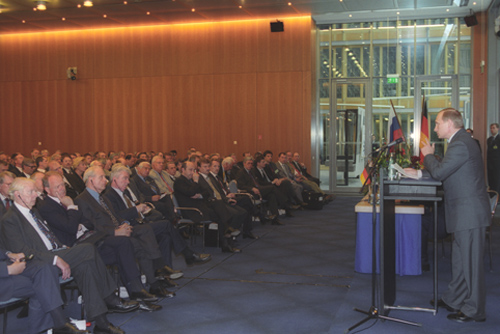
Russian President Vladimir Putin has publicly acknowledged that Russia’s economy is in troubled waters, marking a rare moment of candor for the Russian leader who historically has been reticent about economic difficulties. During a televised meeting on Wednesday, Putin criticized his top government and financial officials, demanding explanations for the worrying economic data and urging immediate solutions to halt the slide.
“I expect to hear detailed reports today on the current economic situation and why the trajectory of macroeconomic indicators is currently below expectations,” Putin declared. This admission signals growing unease in the Kremlin as financial woes worsen amid persistent geopolitical and structural challenges.
The Numbers Behind the Crisis
According to official data reported by Fortune, Russia’s GDP contracted by a combined 1.8% in January and February 2026. Industrial production, manufacturing, and construction—a trio of sectors pivotal to economic stability—have shown signs of stagnation or decline. After years of military spending reducing fiscal slack, the current trajectory has deeply unsettled policymakers.
The scale of economic strain comes into sharp relief when considering Moscow’s widening budget deficit. In the first quarter of 2026, the deficit ballooned to $58.6 billion, exacerbated by plunging oil tax revenues, which halved in March compared to the year prior. This marked reversal comes after years of relative economic buoyancy fueled by wartime spending sprees post-2022.
Russia’s ill fortunes aren’t limited to government accounts. Elvira Nabiullina, Governor of the Central Bank of Russia, revealed another layer of complexity during the meeting: an unprecedented shortage of labor. “The peculiarity of the current situation is that for the first time in modern history, our economy has faced shortages or limits on labor,” she noted. A 2% unemployment rate—the lowest in modern Russian history—has driven up wages and contributed to sustained inflation levels.

Global Shocks, Domestic Troubles
Russia’s economy is not operating in isolation, and layered global dynamics have compounded its troubles. Key challenges include Western sanctions following its invasion of Ukraine in 2022, disruptions to oil export hubs from Ukrainian drone attacks, and the strain of maintaining high military expenditures. For a time, war-driven military production provided a GDP boost, with growth peaking at 4.9% in 2024. However, this strategy quickly became unsustainable as deficits widened and oil revenues faltered.
Compounding the pressure, international volatility has interfered with Russia’s role as a major energy producer. Although global oil prices temporarily surged due to the Iran war, which began earlier this year, internal factors prevented Russia from fully capitalizing on this trend. Supply chain disruptions and damaged export infrastructure have impeded the revenue windfall that Moscow had hoped for during this time of crisis.
A Labor Market at the Breaking Point
One element of the economic conversation during the Wednesday meeting, described by Fortune, was the historically tight labor market. At 2% unemployment, there is little slack left in the system to drive additional productivity or insulate companies from rising labor costs. This scarcity of workers, driven in part by heavy recruitment into military service, has created labor bottlenecks across critical industries and worsened inflation levels.
Nabiullina warned that enduring structural headwinds were keeping export and import conditions constrained compared to prior economic cycles. “This is a new reality for the government and for businesses alike,” she commented, highlighting the long-term nature of the economic challenges facing Russia.
Signals of a Looming Financial Crisis
Equally concerning are the financial system strains from persistently high interest rates and inflation, both of which are testing the resolve of businesses and consumers. The Russian Central Bank has tried to balance the economic equation by cautiously lowering benchmark interest rates, but these moves have done little to tackle deeper systemic issues.
Economic analysts have been warning of a potential financial crisis later this year. Already, indications of market strain are beginning to bubble to the surface. Troubled industries, rising debt levels, and lower-than-expected domestic demand are all creating headwinds for a government desperate to maintain both public confidence and international market credibility.
What Comes Next for Russia?
Putin’s frustration with his top aides suggests a growing awareness within the Kremlin of how precarious the current situation is. However, financial containment strategies may not be enough to repair systemic fractures that continue to evolve under external pressures such as sanctions, global demand shifts, and geopolitical instability.
Observers will be watching closely to see if Moscow can craft a cohesive economic strategy going forward. Will it prioritize social spending and labor force stabilization over military projects? Can international oil market conditions and Russian export efficiency recover enough to fill government coffers? These are the questions that hold the key to shaping Russia’s immediate economic future.
For now, it appears that leaders are grasping for solutions in a deeply uncertain economic environment. Whether they can stabilize the ship—or risk deeper recessionary slides—could determine the country’s position on the global stage in years to come.