Images chosen by Narwhal Cronkite
Goodbye Wall Street: A Closer Look at Shifting Sentiments and Market Evolution
For years, Wall Street has stood as the epitome of global financial power, influencing economies far beyond the United States. However, recent events, trends, and even personal declarations such as “Good bye Wallstreet ❤️ Thank you guys for everything…” reflect an undercurrent of change—signaling shifts in investor behavior, market dynamics, and even emotional ties to traditional financial models. Today, we explore the landscape that led to such sentiments and what lies ahead in the investment world.
The Emotional Undercurrent of Investing
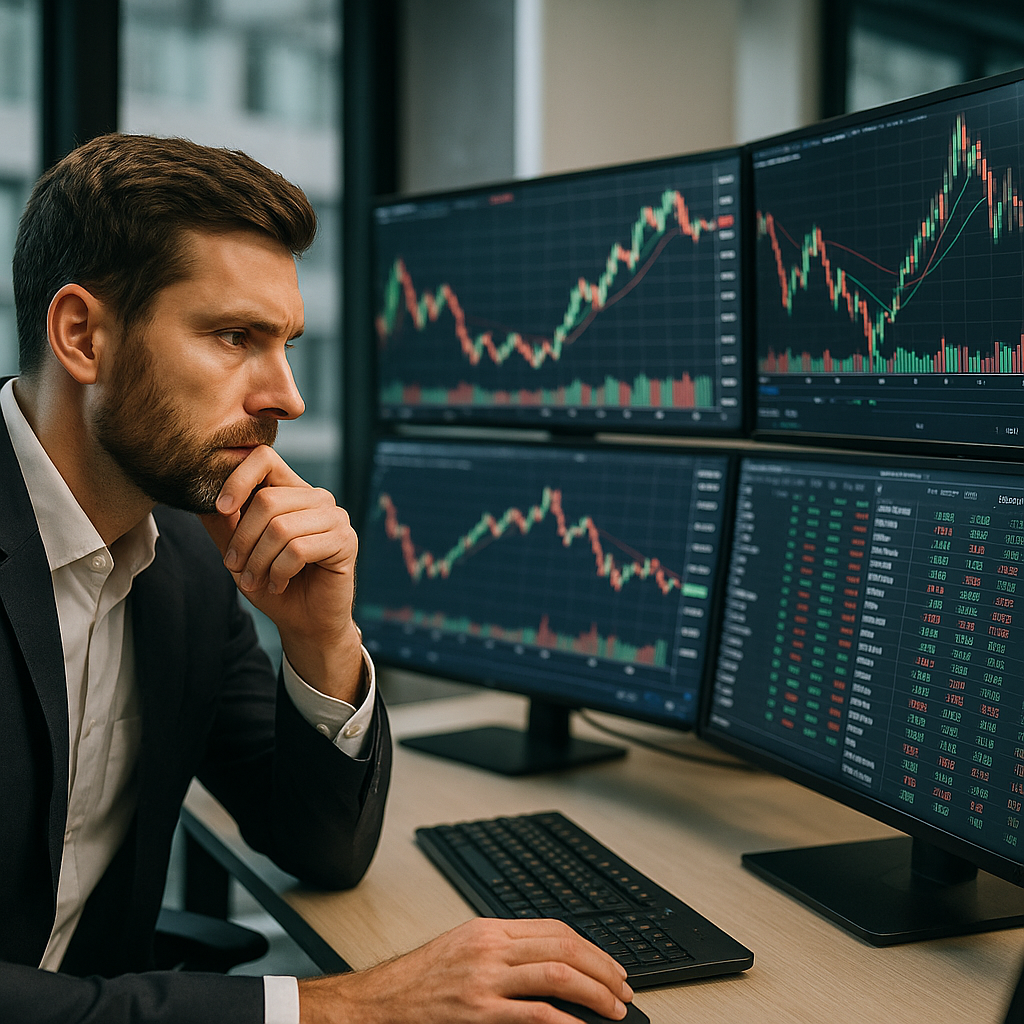
Investing has always been tied to emotion, even if Wall Street maintains its image as cold and calculated. Whether it’s the elation of a bull run or the despair of a crash, the financial world is intimate in its connection to human experiences. Some industry observers describe complex feelings among investors, particularly retail traders, who have developed a more sentimental relationship with platforms, portfolios, and even the broader concept of investing since the rise of digital tools.
In recent years, fintech applications like Robinhood and Webull have disrupted how ordinary people engage with the stock market. According to a report by TechCrunch, platforms like these democratize finance, allowing a broader public to access investment opportunities but also exposing them to the emotional highs and lows previously reserved for institutional players. This democratization may indeed account for declarations of heartfelt attachment to aspects of Wall Street, despite frustrations with its traditional hierarchy.
Retail Traders: Community or Commodity?
Observers argue that many retail investors feel personal loyalty rather than financial loyalty to Wall Street-centric investing. Analysts suggest online communities formed around trading strategies—though decentralized—invoke an almost familial aspect, fostering connections that transcend dollar amounts. Ultimately, sentiments like “thank you guys for everything” may reflect an investor’s emotional departure rather than an economic one.
Market Trends Redefining Wall Street’s Identity
The emergence of alternative asset classes, such as cryptocurrencies, NFTs, and peer-to-peer lending, has significantly eroded the dominance of Wall Street-centric financial decisions. A Bloomberg report highlights the record investment in decentralized finance (DeFi) ecosystems, which accumulated over $50 billion in total value locked by mid-2023. For many, this shift tells a story of disillusionment with outdated financial systems and a search for streamlined, technologically-integrated solutions.
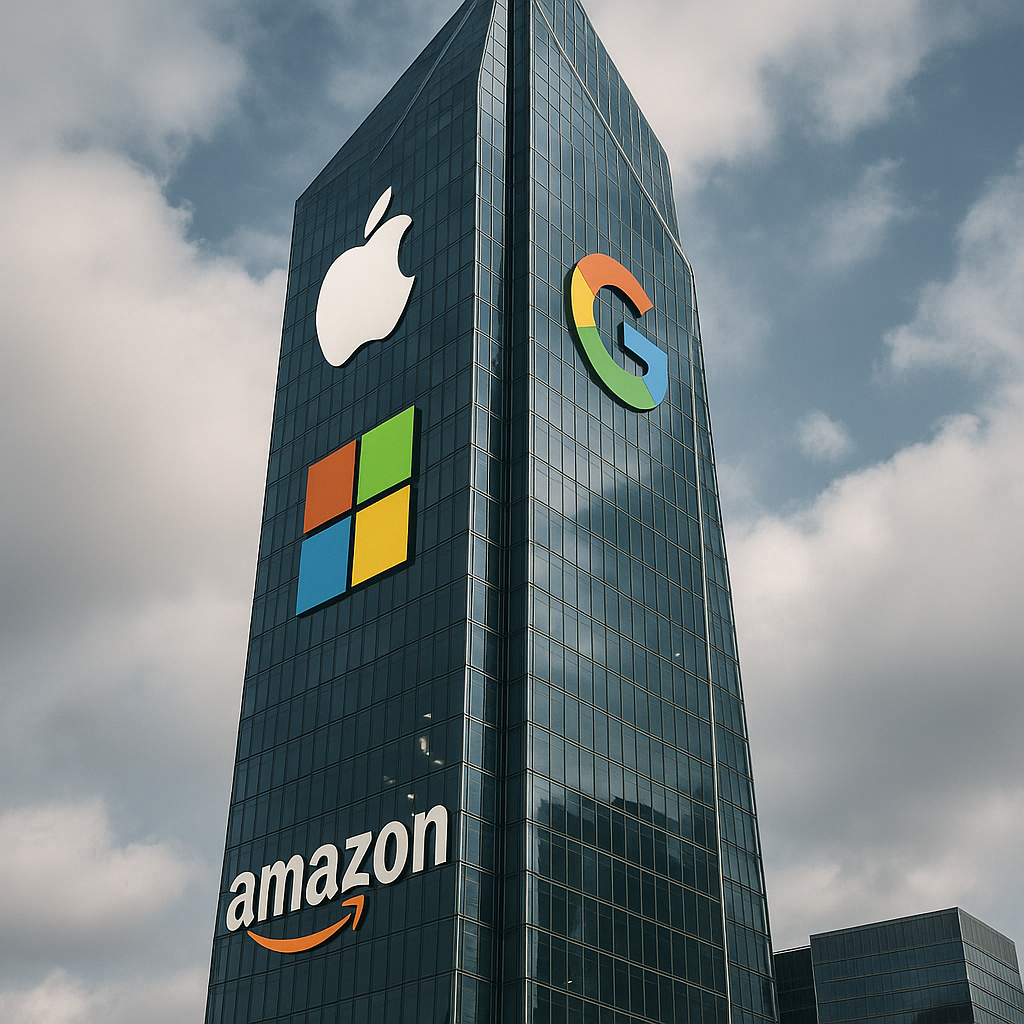
Another factor driving the reshaping of Wall Street’s identity is the evolution of tech companies from market disruptors to economic cornerstones. According to Reuters, tech stocks like Apple, Amazon, and Alphabet have influenced market indices to an extent previously reserved for traditional entities like steel manufacturers or energy giants. As a result, investor priorities may now align more closely with innovation than with legacy sectors.
Embracing Alternative Platforms and Models
To understand the core changes taking place, one must look at the investing landscape beyond traditional exchanges like the NYSE or NASDAQ. Crowdfunding platforms, cryptocurrency markets, and decentralized exchanges have stepped into the spotlight, granting broader autonomy and participation to traders.
While some industry analysts remain skeptical of cryptocurrencies and blockchain technology, others highlight long-term viability and growing institutional interest. For example, Goldman Sachs has reportedly explored cryptocurrency trading desks, showing a cautious yet present acknowledgment of the shift in assets under consideration. Whether these platforms become complementary or entirely replace Wall Street-style trading remains in question, but their sheer existence indicates new approaches to wealth-building.
Regulation and Its Role
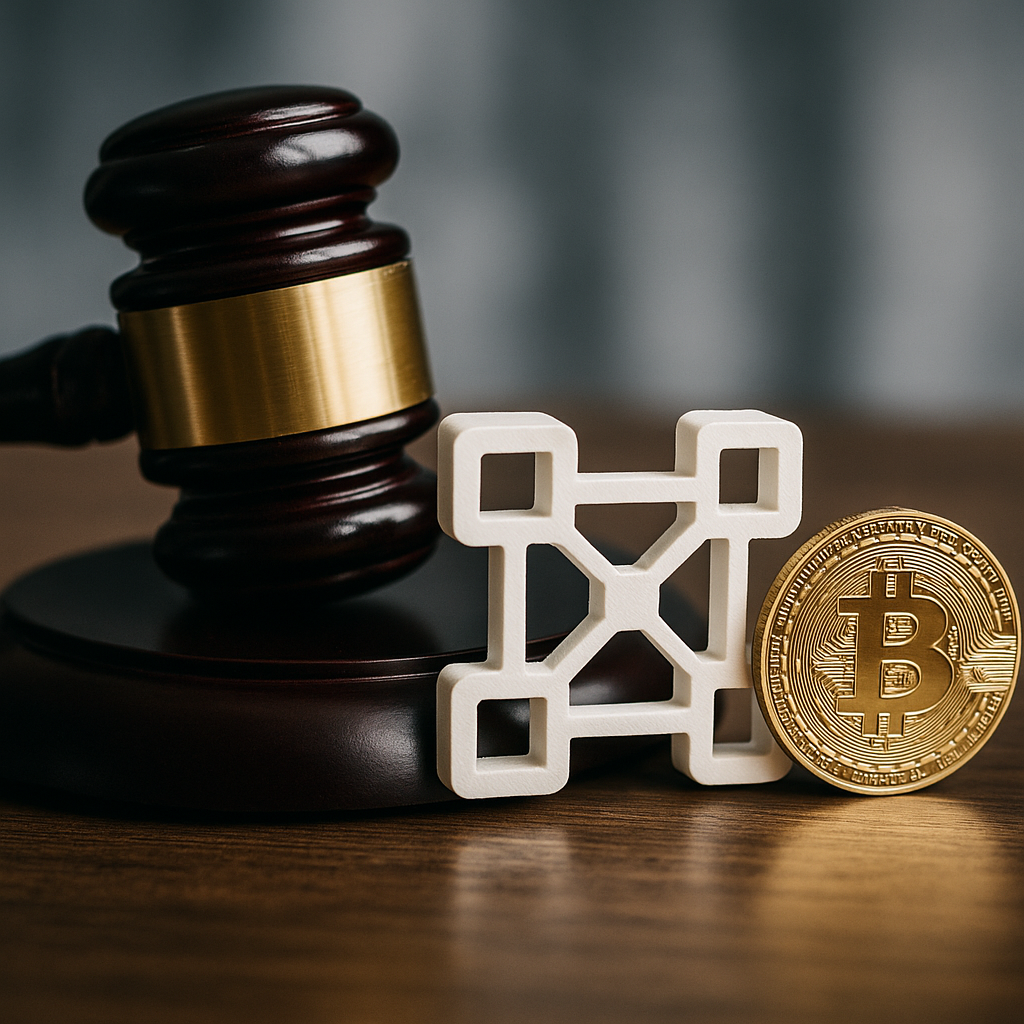
Despite the rise of alternative models, Wall Street’s foundation rests largely on regulatory reliability. According to CNBC, many investors still prefer traditional exchanges due to their precisely defined legal frameworks that mitigate risks inherent in decentralized systems. Regulation complexities surrounding cryptocurrency, decentralized platforms, and data security remain unresolved, posing challenges to change enthusiasts.
At the intersection of finance and emotion, regulation may also serve as a calming force for anxious investors navigating economic turbulence. Striking a balance between innovation and legal grounding will invariably dictate the next chapter for old-guard financial systems and those offering their heartfelt farewells.
Implications: Two Roads Diverging
The declaration “Good bye Wallstreet ❤️” may be emblematic of broader sentiments among investors, traders, and financial platforms. Whether rooted in frustration with traditional systems, excitement for new opportunities, or simply personal experiences, it signals an undeniable shift in both perception and participation. As markets reshape themselves, investors are at the crux of choosing whether they will join alternative streams or remain loyal to the path long traveled.
Observers predict mutual evolution: Wall Street is unlikely to vanish but will evolve to incorporate tech-driven and user-centric models. Retail investors, enabled by technology, will drive change—and Wall Street may follow suit if it wishes to remain relevant.
The next chapter for investing holds pressing questions: How will regulation play a role in this transition? Can Wall Street redeem its reputation among growing generations of traders? Will alternative platforms become dominant systems or co-exist peacefully?
Ultimately, the shifting landscape of global finance expands far beyond a single Reddit declaration—yet emotional ties remain a powerful force influencing individual decisions and market outcomes. To watch where this evolution leads is to explore the future of wealth itself.