Images chosen by Narwhal Cronkite
Pope Leo Signals Shift Away from Catholic Church’s Traditional Views on Sexual Ethics
The Catholic Church, long a bastion of traditional attitudes toward sexuality, may be entering a new chapter. In a groundbreaking statement during a public address on April 27, Pope Leo XVI signaled an intention to reorient the Church’s focus, moving beyond the institutional preoccupation with sexual morality that has defined major parts of its doctrine for centuries.
Described by many as a bold and progressive gesture, this move comes at a time when religious institutions across the globe are grappling with how to stay relevant to increasingly secular and polarized societies. “For too long, discussions about the Church have revolved around what we condemn,” Pope Leo remarked, in comments highlighted by Reuters. “It is time to shift our narrative toward what we stand for—humility, compassion, and the betterment of humanity.”
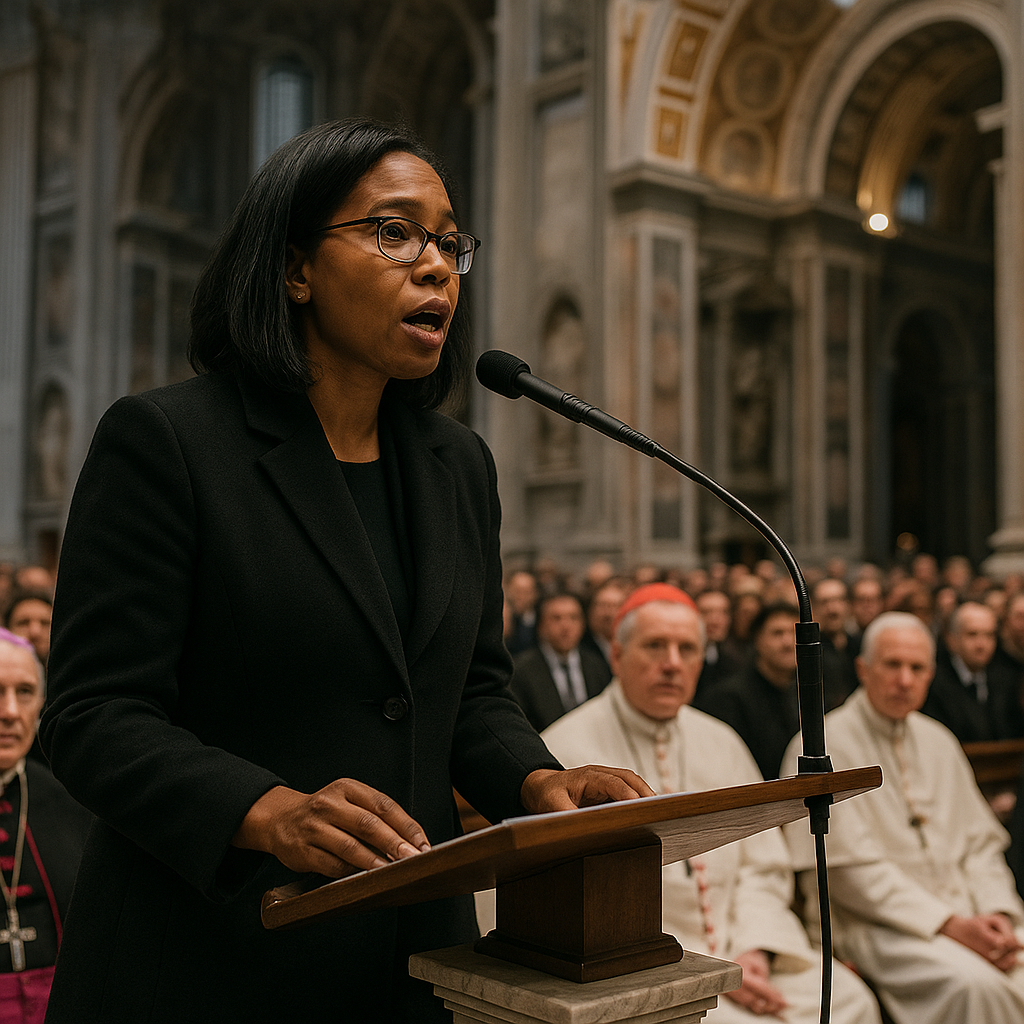
Church Doctrine in Transition: A Historical Perspective
The Catholic Church has long been vocal on issues of sexuality, often facing criticism for its stances on matters like contraception, abortion, and LGBTQ+ rights. These positions have not only shaped its theological identity but have also made it a lightning rod for social and political debate. However, the Church’s emphasis on these issues has sometimes overshadowed its involvement in other spheres, such as poverty alleviation, education, and humanitarian aid.
Traditionally, these positions have been rooted in long-standing theological interpretations of canonical texts. Yet, Pope Leo’s remarks suggest an increasing willingness to reinterpret these texts in a modern light. According to Vatican observers, this move reflects the pontiff’s broader strategy to “decentralize” Catholic theology from being fixated on personal morality to adopting a wider lens on global challenges such as climate change, income inequality, and access to healthcare.
This pivot aligns with broader trends among faith communities worldwide. As noted in Foreign Policy’s recent analysis on global frameworks for multilateralism, institutions of all kinds, including religious ones, are facing mounting pressure to address systemic issues rather than individual behaviors. These shifts mirror societal calls for modernization in all facets of governance—and for the Catholic Church, a transition might involve balancing its theological heritage with the realities of global interconnectivity.
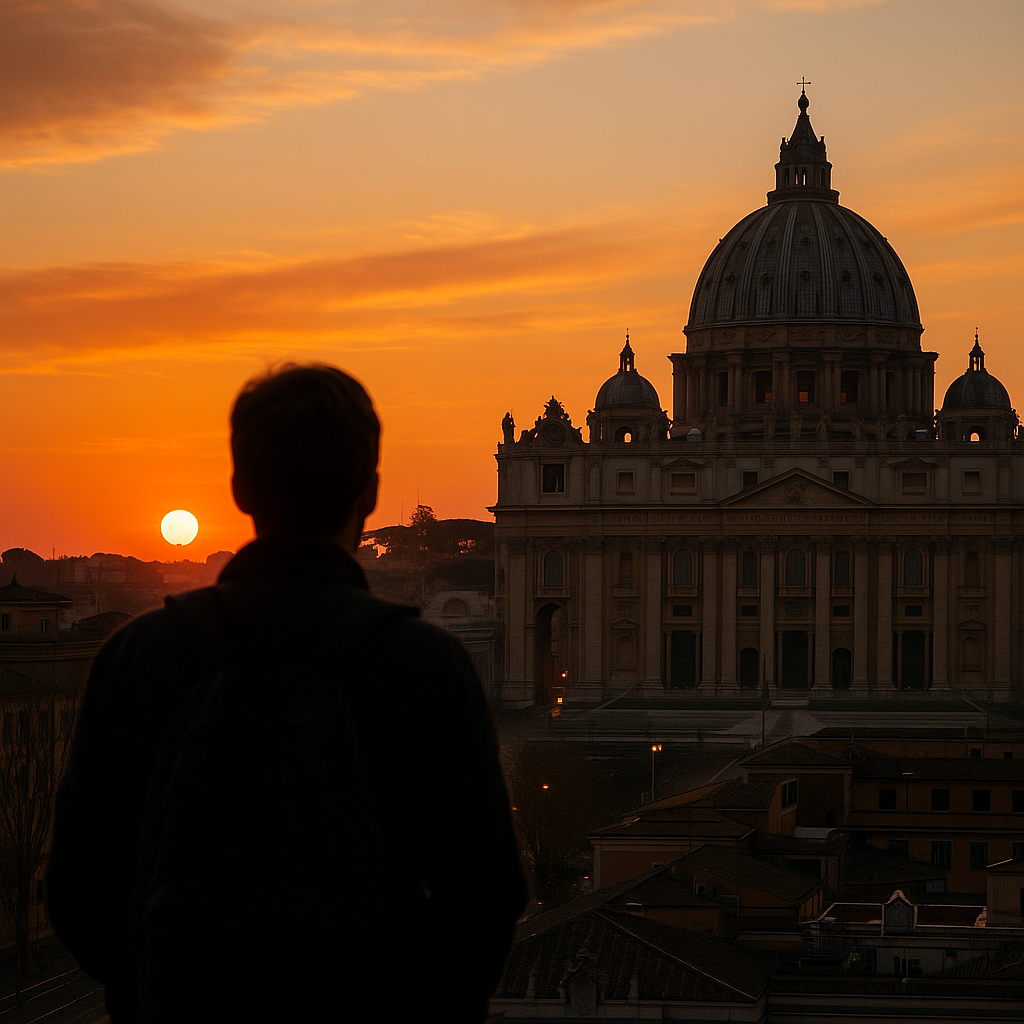
Exploring “Compassionate Christianity”
Key to Pope Leo’s address was the concept of “compassionate Christianity,” a term he used to capture the spirit of the Church’s new direction. This philosophy prioritizes addressing societal ills—such as economic disparities, forced migration, and mental health crises—over adjudicating individual morality.
For example, Church-led health initiatives, which have historically focused on reproductive matters, could instead involve broader engagements with mental health advocacy or preventive care. This approach echoes larger movements in public health and technology, such as those addressed in Gizmodo’s in-depth piece on data tracking titled “The Case for Tracking Everything.” Though unrelated to religion, the emerging ethos within tech emphasizes empowerment through systems-oriented solutions, a parallel to the Church’s potential pivot toward advocacy and systemic upliftment.
Some critics argue that an expansive interpretation of mission risks alienating the Church’s traditional base, for whom continuity of doctrine is paramount. However, others believe this approach could re-energize Catholics who have grown disillusioned with what they see as outdated policies. Observers also suggest this could revive dialogue between the Church and marginalized groups who’ve historically felt excluded by its teachings.
Challenges and Opportunities for Change
Despite its global influence, the Catholic Church faces significant hurdles in enacting sweeping reforms. Internal resistance from conservative figures within the clergy is likely, given the centuries-old traditions that underpin its teachings. Furthermore, such a shift requires significant recalibration across educational curricula, local parish messaging, and public advocacy initiatives.
Beyond its internal dynamics, external observers highlight political ramifications. Religious voices are deeply intertwined with socio-political landscapes worldwide, with many national policies still reflecting Church influence. Even so, movements like Pope Leo’s could provide leverage for more progressive Catholic political actors to advocate for policies aimed at economic redistribution and humanitarian aid.
Additionally, Pope Leo’s pronouncements may trigger ripple effects across interfaith collaborations. Already, some Protestant and interfaith coalitions have begun to adopt rhetoric emphasizing inclusivity and compassion over orthodoxy, and Pope Leo’s approach could galvanize deeper alliances to tackle common global challenges such as income disparity or climate-related migration crises.

What Comes Next for the Church?
While Pope Leo’s statements are notable, they represent only the beginning of what would be a prolonged and potentially contentious transformation. Future Synods will likely grapple with doctrinal clarifications, local clergy training, and policy consensus. As Pope Leo himself noted, “Change is not about abandoning tradition, but about re-interpreting tradition to meet the moment.” Success would hinge on the Church’s ability to engage both its clergy and lay members in meaningful dialogue.
Observers also point to the younger generation’s potential role in driving change. Surveys of millennial and Gen Z Catholics have consistently revealed discontent with the status quo, including criticisms of Church rigidity on gender and sexuality. By addressing these concerns head-on, the Church may re-establish itself as a moral authority on the global stage, focused on collective upliftment rather than regulation of personal choices.
The Road Ahead
Looking forward, the Church’s pivot offers both challenges and opportunities. As Pope Leo steers Catholicism into unexplored territory, his leadership will be closely examined and critiqued not only by the global faithful but also by secular institutions and public intellectuals. Central to this moment is a larger question about the role of religion in the 21st century: Should it serve as a moral arbiter of individual behavior, or should it refocus its efforts on systemic advocacy and humanitarian action?
As history reveals, shifts within the Catholic Church tend to echo far beyond its walls. Whether the emphasis on “compassionate Christianity” fosters unity or division will ultimately rest on how the institution adapts to an increasingly dynamic world.
For now, one thing is clear: Pope Leo is determined to modernize the Church without abandoning its essence, reminding us that even faith, at its strongest, must evolve.