Images chosen by Narwhal Cronkite
ICE Agent Who Fatally Shot Renee Good Quietly Resumes Work in New State
Eight months after the fatal shooting of Renee Good by Immigration and Customs Enforcement (ICE) agent Jonathan Ross, questions about accountability and transparency loom large over the federal agency. A new report has confirmed that Ross has been quietly reassigned to another state and has resumed government work, even as the investigation into the incident remains stalled. This situation has reignited widespread protests and scrutiny of law enforcement practices across the United States.
A Shooting That Sparked Nationwide Protests
The incident occurred on January 7 in Minneapolis, when 37-year-old Renee Good, described by friends as a dedicated community activist, was fatally shot during an encounter with ICE agents, including Ross. According to official statements reported by The Independent, Good had stopped her car in the street and, when she was ordered to exit, reversed in an attempt to leave the scene. Ross, positioned in front of the vehicle, fired three shots through the windshield, ultimately killing her. Federal authorities, including then-President Donald Trump, defended the shooting, labeling Good’s actions as “domestic terrorism.”
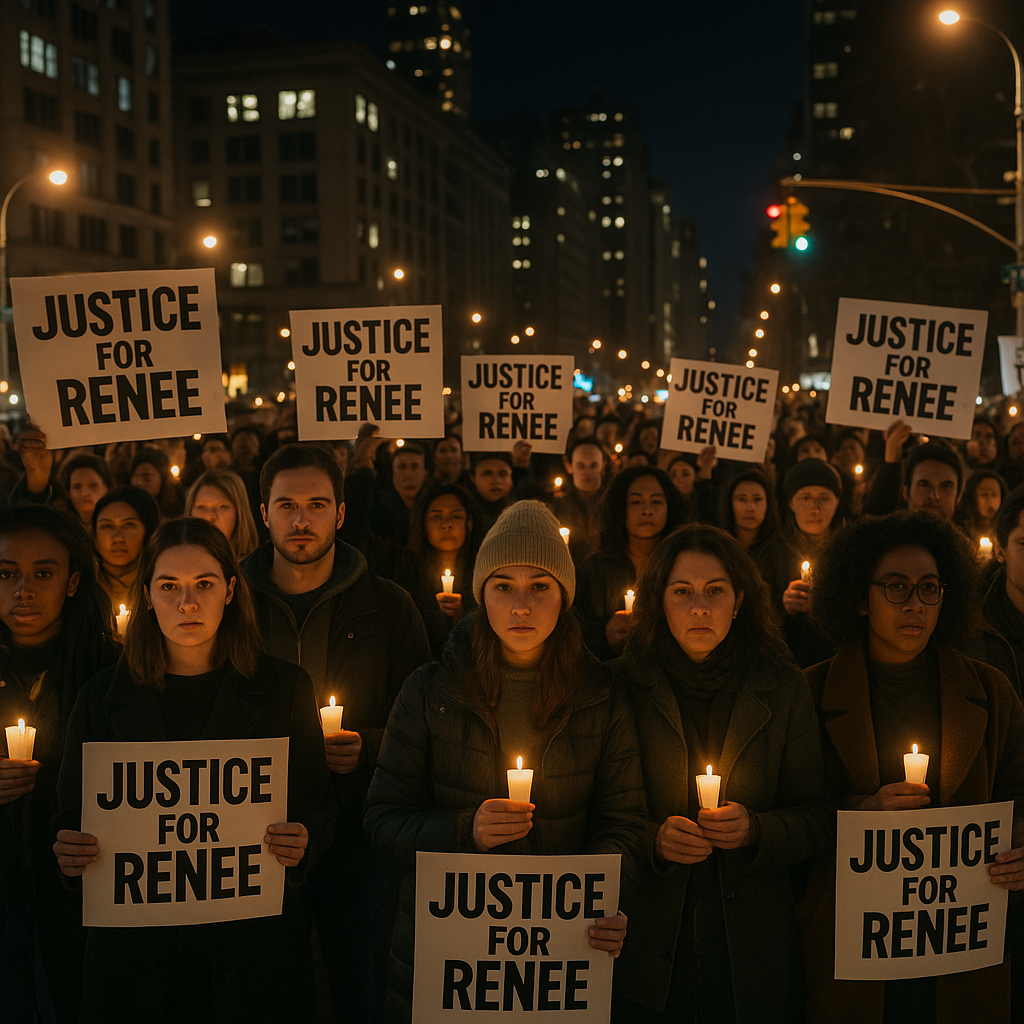
The aftermath of the shooting saw a surge of protests in cities such as Chicago, New York, and Los Angeles. Demonstrators demanded accountability for what many saw as excessive use of force by federal agents. Protesters carried signs with slogans such as, “Justice for Renee” and “End ICE Impunity,” as they sought to draw attention to what critics describe as a pattern of overreach by federal agencies enforcing immigration law.
Accountability in Question
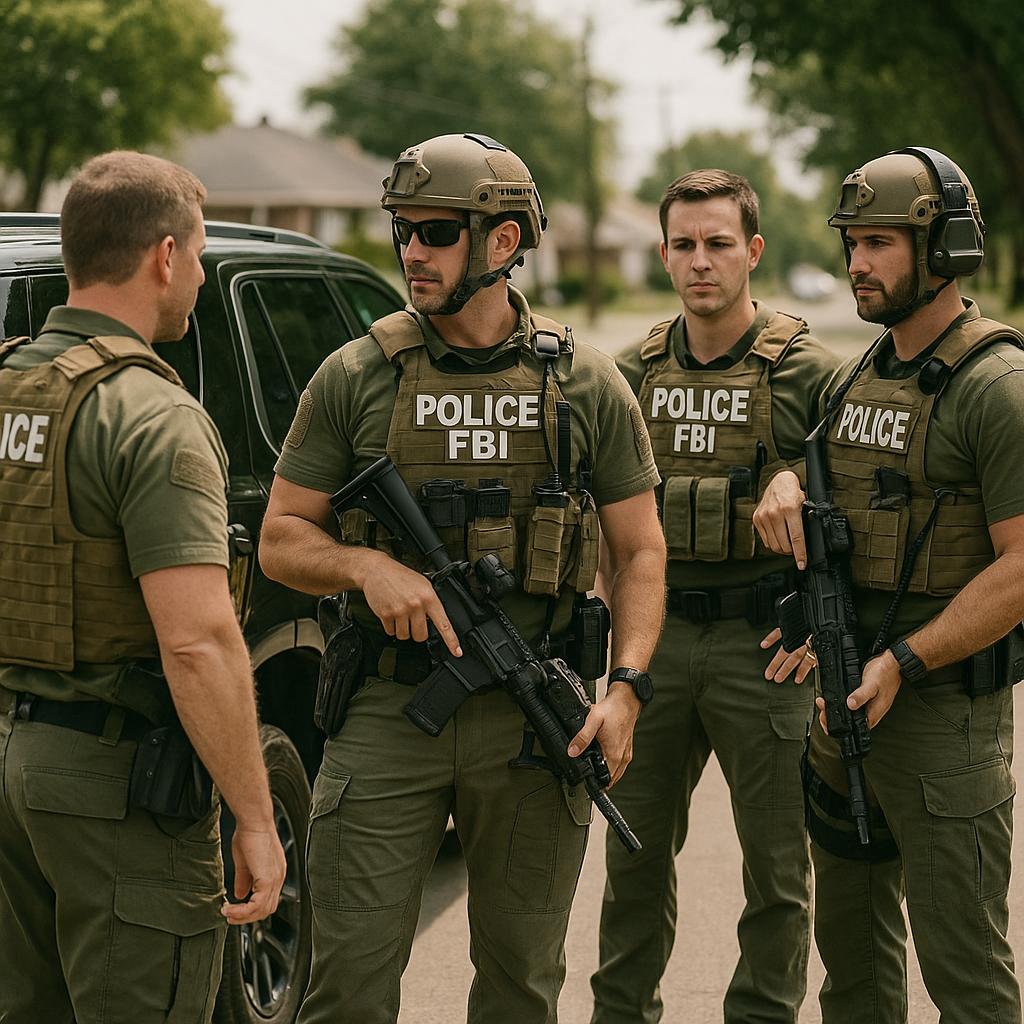
One of the most contentious aspects of the case has been the lack of progress in the investigation into Ross’s actions. According to reporting by the investigative outlet PunchUp, the FBI’s inquiry into the shooting has been stagnant for months. Senior Department of Homeland Security (DHS) officials cited in the report stated that the internal accountability process at ICE was effectively on hold as the federal investigation dragged on. Ross’s reassignment further complicates efforts to hold him accountable, critics say.
Initially, a review of the incident indicated there were sufficient grounds for a potential civil rights investigation. However, this probe was reportedly opened and then promptly closed during the Trump administration. More recently, the FBI released a statement saying that their ongoing investigation was focused on the incident itself and potential criminal activity by protesters, stating: “The facts are the initiator, and the facts do not support a civil rights investigation.” For many, this response has raised questions about whether federal agencies are prioritizing accountability or deflecting responsibility.

Broader Patterns in Federal Oversight
The case of Renee Good highlights a broader concern about the oversight of federal agencies like ICE. According to an investigation by ProPublica, ICE, Border Patrol, and other federal enforcement agencies have faced persistent accusations of excessive force in recent years. For example, during widespread immigration sweeps, incidents were reported where minor provocation—such as a protester throwing a snowball—was met with tear gas, pepper balls, and rubber bullets.
These incidents are not isolated. Ruben Ray Martinez, a man killed by ICE agents in Texas in 2025, became another high-profile case that galvanized public outcry. His mother, speaking to NPR, said she believes her son’s death “could have been avoided” with better oversight and restraint. As federal entities increasingly intersect with domestic law enforcement operations, calls for reform have intensified. Critics argue that the line between protecting national security and infringing on citizens’ rights is becoming alarmingly blurred.
Snopes, in an effort to follow up on allegations of agent misconduct, reported that state and local officials have faced significant barriers in accessing evidence from federal agencies. This lack of transparency has further fueled skepticism about whether accountability is truly achievable within current frameworks.
Reassignment or Shielding?
Ross’s reassignment to a different state has also sparked controversy. According to reporting from The Daily Beast, this move has been viewed by some observers as a way of insulating him from ongoing scrutiny. “He’s being protected, plain and simple,” one anonymous DHS whistleblower told PunchUp. “This isn’t about due process; it’s about optics.” The question remains whether this decision was made to ensure public safety or to shield the agency from further criticism.
Meanwhile, acting ICE Director Todd Lyons announced his plans to step down, citing the growing controversies engulfing the agency. Lyons’s resignation is one among many recent high-profile departures, raising questions about whether ICE leadership is adequately equipped to address systemic issues. As CBC News reported, the agency also faces challenges around funding and public trust, both of which are deeply tied to its accountability measures.
What’s Next?
The stalled investigations into Renee Good’s death and similar cases highlight a troubling impasse in U.S. law enforcement accountability. What happens next could set a precedent for how federal agencies handle public backlash and allegations of misconduct.
Observers say that increased transparency and oversight are essential. As lawmakers at both state and federal levels discuss potential reforms, the outcome of these deliberations could reshape the balance of power between federal agents and the civilians they encounter. Additionally, as the Biden administration has faced criticism for maintaining several Trump-era immigration enforcement policies, these debates carry significant political implications.
For the public, dissatisfaction remains high. Advocacy groups and protesters continue to demand justice for Renee Good and others like her, whose lives were cut short under contested circumstances. Whether those demands will lead to substantial change remains uncertain.
Implications and Next Steps
As the case of Renee Good unfolds, it symbolizes much more than an isolated incident. It questions the very foundation of trust between federal law enforcement and the communities they serve. The implications are profound: ensuring transparency, preventing abuse of power, and providing justice for victims are now focal points of public debate.
While federal investigations remain under scrutiny, industry observers note an urgent call to action for policymakers, requiring a balance of safety, accountability, and civil liberties. In the coming months, all eyes will be on ICE, the FBI, and the Department of Homeland Security to see how they navigate this contentious terrain.