Images chosen by Narwhal Cronkite
Supreme Court Limits Voting Rights Act: A Historic Shift in Election Law
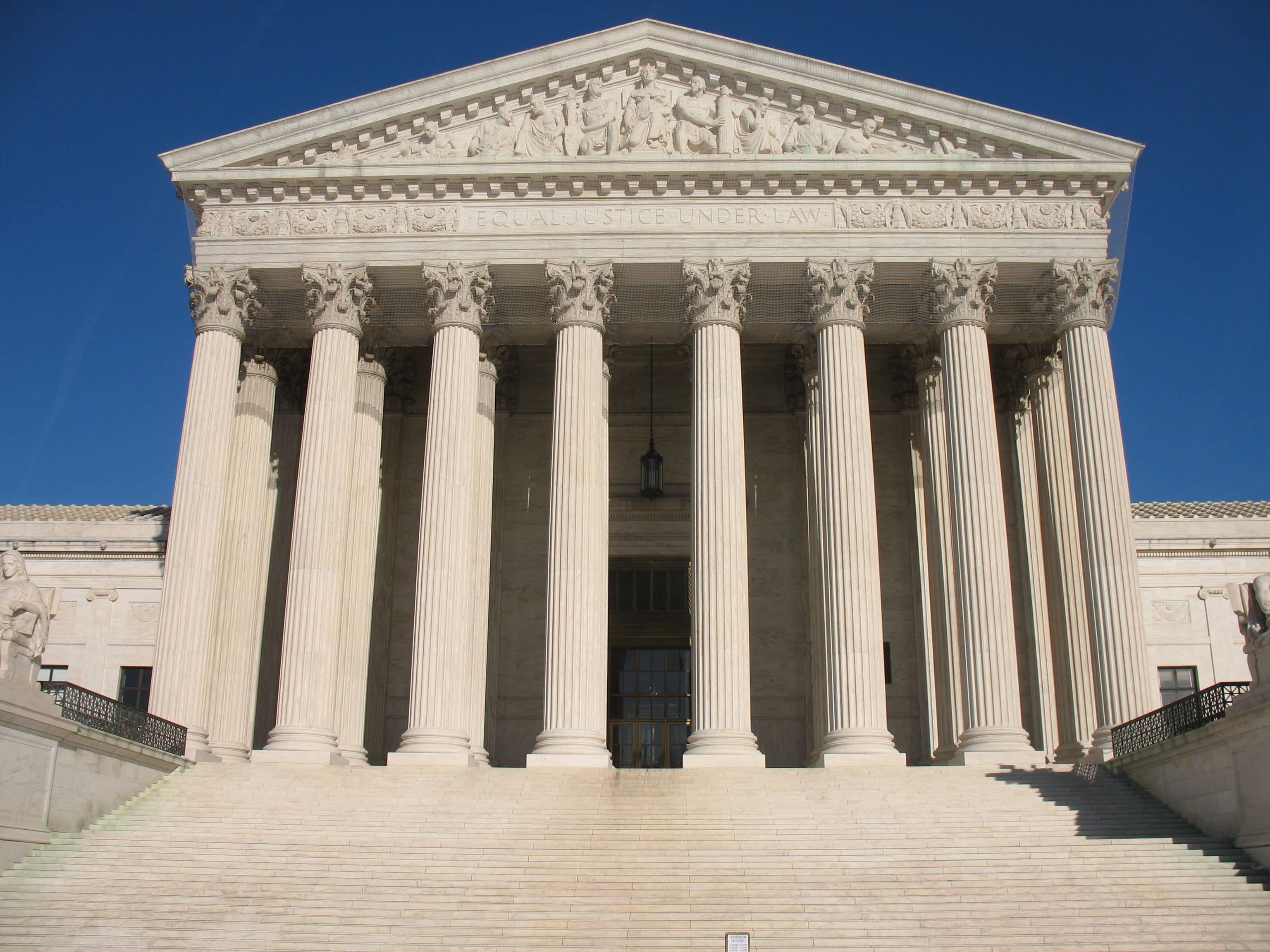
The United States Supreme Court has issued a landmark decision that drastically narrows the scope of the Voting Rights Act (VRA), prompting a wave of analysis and concern about the future of election laws and minority voting power. By striking down Louisiana’s congressional map as unconstitutional racial gerrymandering, the court has redefined the terms under which voting districts can be challenged for disproportionately limiting minority voters’ influence.
What Was the Supreme Court’s Decision?
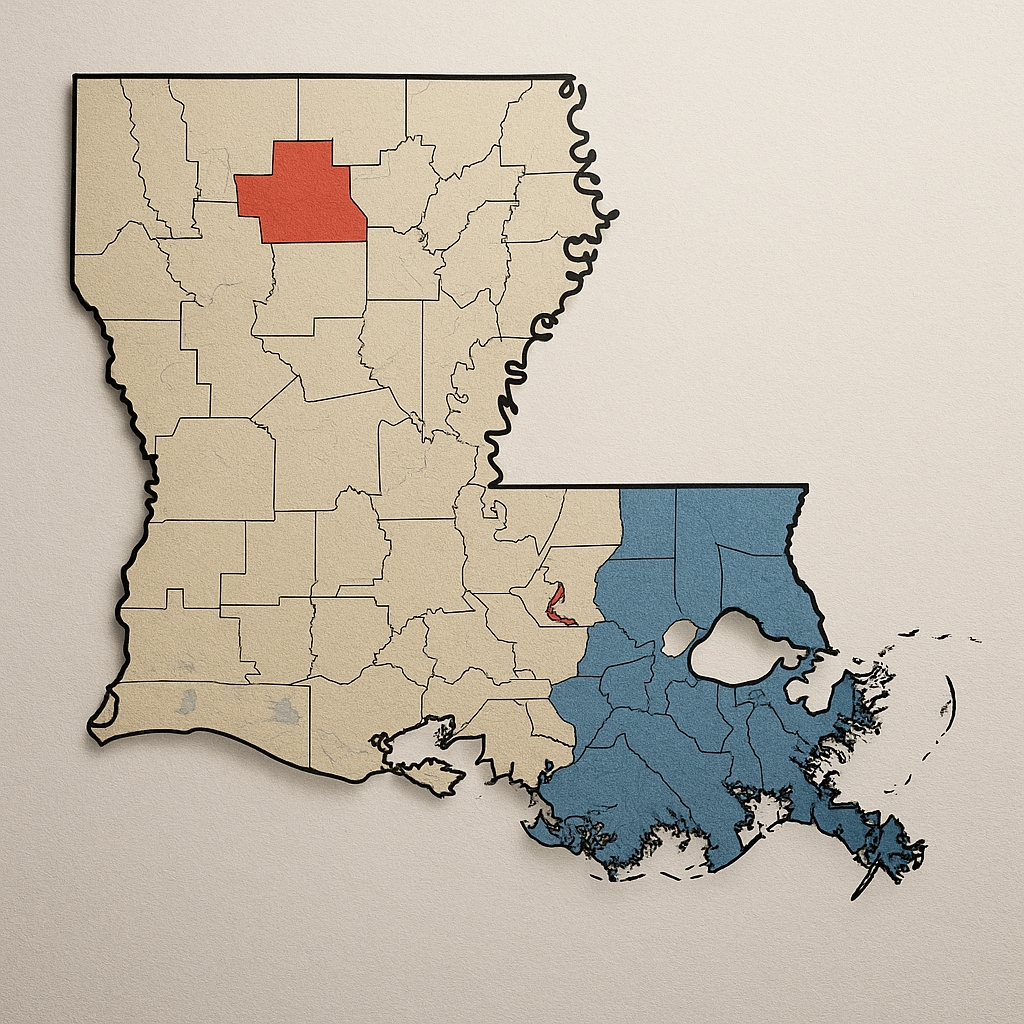
On Wednesday, in a 6-3 decision split along ideological lines, the Court’s conservative majority ruled against previous lower-court orders. These courts had deemed Louisiana’s map—which includes only one majority-Black district out of six—as a violation of Section 2 of the VRA. With Black citizens comprising more than one-third of Louisiana’s voting age population, such representation was argued as insufficient to ensure minority voters’ ability to elect candidates of their choice.
Justice Samuel Alito authored the majority opinion, arguing that courts and lawmakers must now meet a higher standard of proof. According to Alito, election maps only violate the VRA if there is compelling evidence that they were deliberately drawn to reduce the electoral opportunities available to minority voters. “The Constitution almost never permits the intentional use of race,” Alito wrote, underscoring the difficulty of stepping into racial considerations without infringing on other voters’ rights.
While the decision reversed longstanding standards under which Section 2 served as a check on racial gerrymandering, Justice Elena Kagan’s dissent publicly underscored the gravity of the decision. Kagan warned that minority voters across several states could face declines in their electoral influence if states were to follow Louisiana’s precedent.
The Broader Implications for Section 2 of the VRA
Section 2 of the Voting Rights Act has historically prohibited states from using tactics such as “packing”—concentrating minority voters into a few districts—and “cracking”—spreading them thinly across many districts—to prevent minorities from effectively influencing election outcomes. Previous court decisions relied on statistical evidence showing that such practices diluted minority electoral power, even when no explicit discriminatory intent could be proven.
However, the Supreme Court’s ruling fundamentally shifts the burden of proof. States can now argue compliance with the VRA as long as there’s no clear intent to disenfranchise minorities, even if the map results in unequal representation. The precedent established by this decision may make it near-impossible for challengers to argue against racially inequitable maps, especially as it places emphasis on laws avoiding overt race-based decision-making in redistricting.
Supporters and Critics Respond
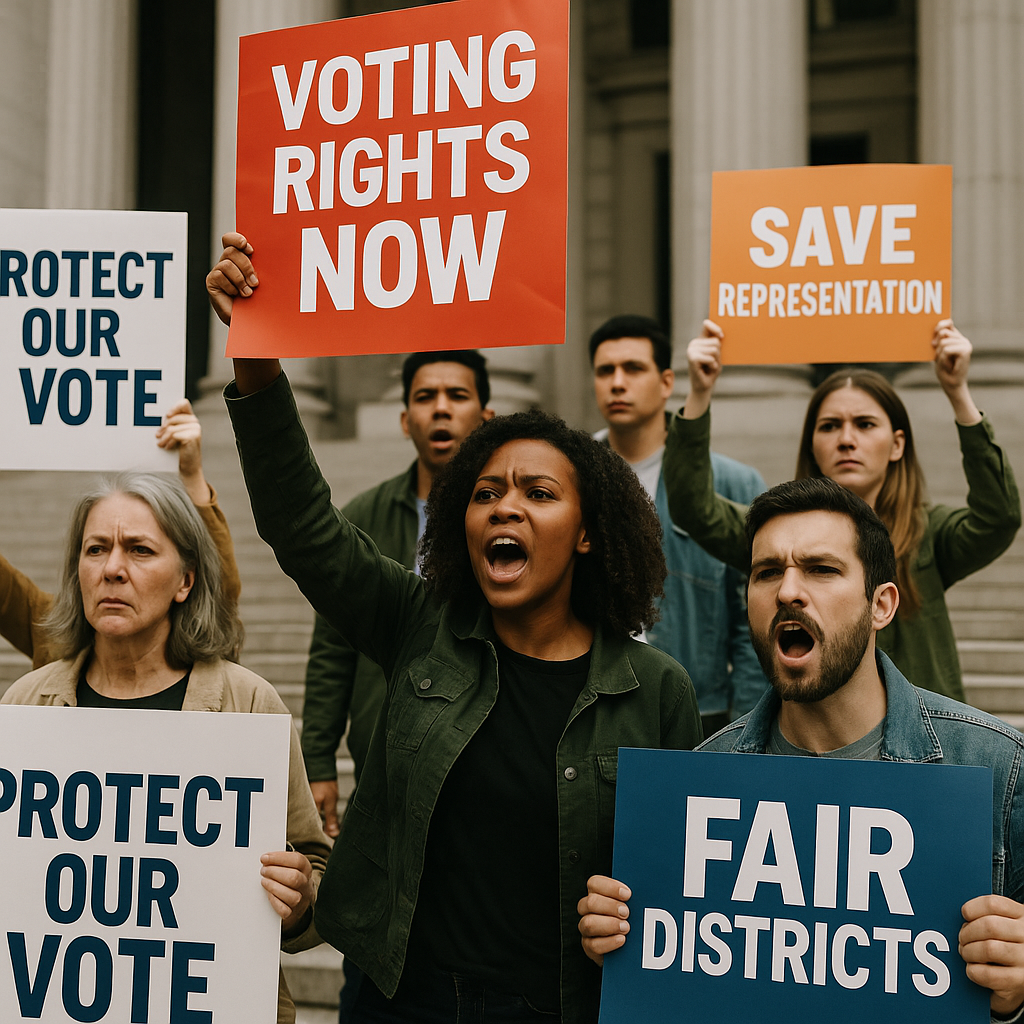
In the wake of the ruling, reactions have been starkly divided among political and legal observers. Advocacy organizations such as the NAACP have condemned the decision, describing it as “a devastating blow.” Harper Lawson, a voting-rights attorney, stated, “Minority voters are effectively left with weaker protections. The decision undermines decades of bipartisan push for fair representation.”
On the other hand, advocates of the ruling argue that emphasizing legislative neutrality is crucial for preserving constitutional rights across all demographics. Alito’s opinion notably warned against the risks of unfairly disadvantaging other voters, including white electorates, under the 14th Amendment’s equal protection clause.
Historical Context and How We Got Here
The Voting Rights Act, passed in 1965, has long been considered a cornerstone law for combatting racial discrimination in voting. While Section 2 safeguarded representation for minority voters nationwide, its scope has been incrementally narrowed by Supreme Court rulings over the years.
According to a report by Salon, this shift is part of a broader trend influenced by increasingly partisan control of local and state election processes. Legal experts such as Dr. Jonas Levin assert that voter suppression and the rollback of safeguards reflect deep divisions within the judiciary on how election fairness should be balanced against states’ rights to self-govern.
This decision also intersects with the historic reshaping of election laws overseen by federal and state lawmakers. From redistricting battles to controversial legislation like the recently debated SAVE America Act, election policy has become one of the most fiercely contested areas in contemporary politics.
What Comes Next?
The ramifications of the Supreme Court’s decision extend far beyond Louisiana. If additional states follow suit, minority voters in several jurisdictions might face similar challenges in electing representatives of their choice. States with significant minority populations but historically unequal districting—such as Texas and Georgia—could potentially redraw their maps without fear of violating Section 2 restrictions.
Legal analysts recommend closely monitoring how lower courts interpret challenges moving forward. Could plaintiffs establish sufficient evidence of racial discrimination under the new, narrower framework? Observers worry about a chilling effect discouraging litigation on racial equity for election practices.
Meanwhile, advocacy organizations expect increased pressure for federal legislation to restore protections revoked by judicial interpretation. As Raw Story notes, calls for intervention and oversight from Congress are already gaining traction among several political groups. Whether Democrats or bipartisan coalitions can revive elements of the Voting Rights Act, though, remains uncertain, especially in a politically polarized landscape.
Conclusion
The Supreme Court’s decision reshapes the terrain for voting rights and election laws across America. With protections diminished for minority voters under Section 2, battles for fair representation in the coming years are likely to focus on legislative efforts, grassroots movements, and judicial challenges. As lawmakers and citizens grapple with the implications, the broader question remains: How can the United States balance its constitutional commitment to equal protection while creating opportunities for genuine political representation?