Images chosen by Narwhal Cronkite
Jerome Powell Commits to Continue Fed Service After Chairmanship
In a surprising move, Federal Reserve Chair Jerome Powell announced he intends to remain at the Federal Reserve as a governor following the end of his term as chairman in May 2026. While his decision shifts the traditional narrative for Fed leaders, it also sparks deeper questions about the implications for monetary policy and institutional stability.
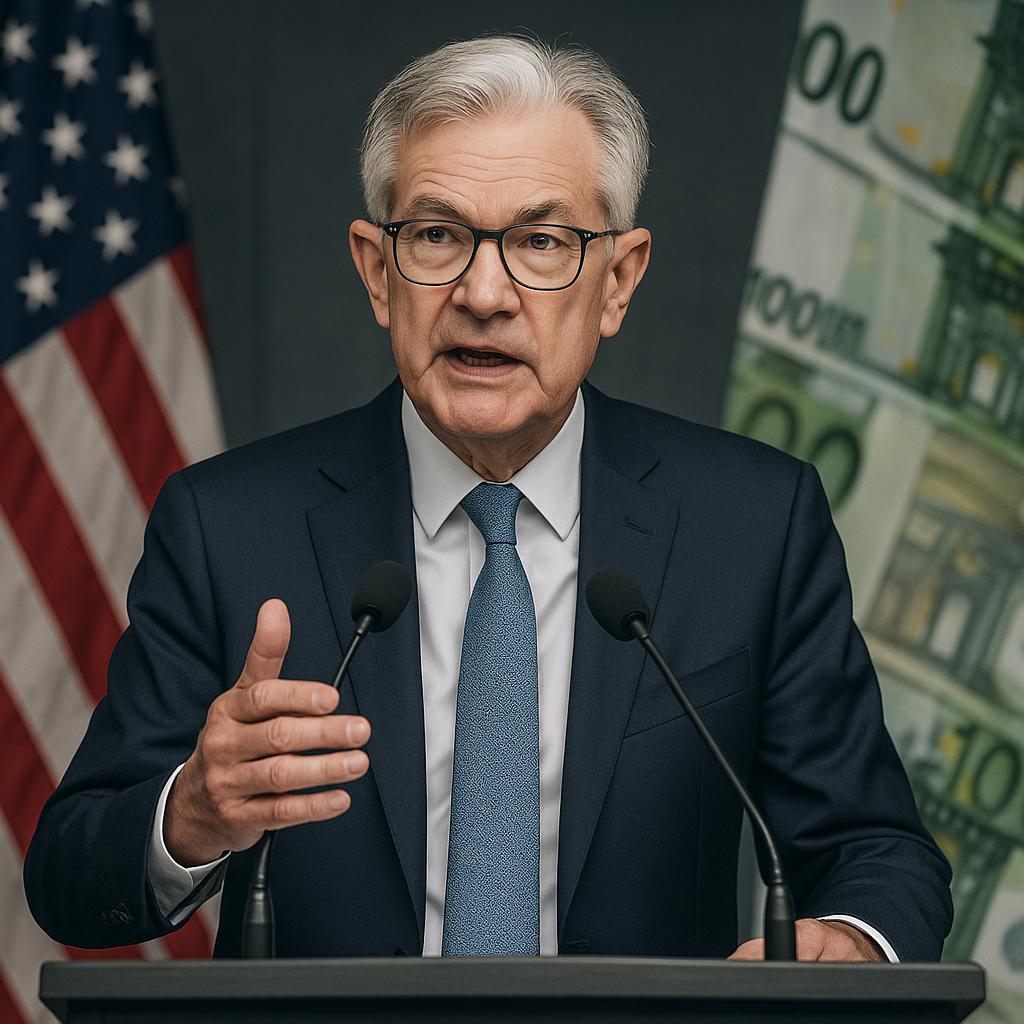
The Decision That Breaks Tradition
Historically, Federal Reserve chairs exit the institution entirely at the conclusion of their terms, often paving the way for fresh leadership to shape the nation’s monetary policy with minimal interference from their predecessors. Powell’s declaration, however, reverses the precedent — a move some industry observers view as vital for continuity, especially given the key economic challenges in the U.S., while others label it unconventional in a highly politicized era.
Powell stated, “I believe my expertise is of value to the Board during this transitional phase. This role carries immense responsibility, and relinquishing public service altogether isn’t the path I foresee.” His remarks signal a commitment to ongoing policy dialogue, though the strategy behind this decision remains debated.
Why It Matters Amid Political Pressures
The announcement comes at a time when the Federal Reserve is under political and public scrutiny. President Donald Trump has publicly expressed dissatisfaction with Powell’s tenure as chair, stating in interviews that he would dismiss Powell outright if the chair decided to stay beyond his term. According to The Daily Caller, Trump remarked, “If he doesn’t leave, I’ll have to fire him.” The pressures surrounding Powell highlight the blurred lines between central bank independence and political influence.
Meanwhile, investigations led by federal prosecutor Jeanine Pirro into cost overruns at the Federal Reserve headquarters add further tension to the institution’s image. As reported by Breitbart News, Pirro remains resolute in pursuing accountability amid these controversies. Analysts argue that Powell’s continued presence as a governor could help shield the Federal Reserve from tumult and maintain focus on economic stability.
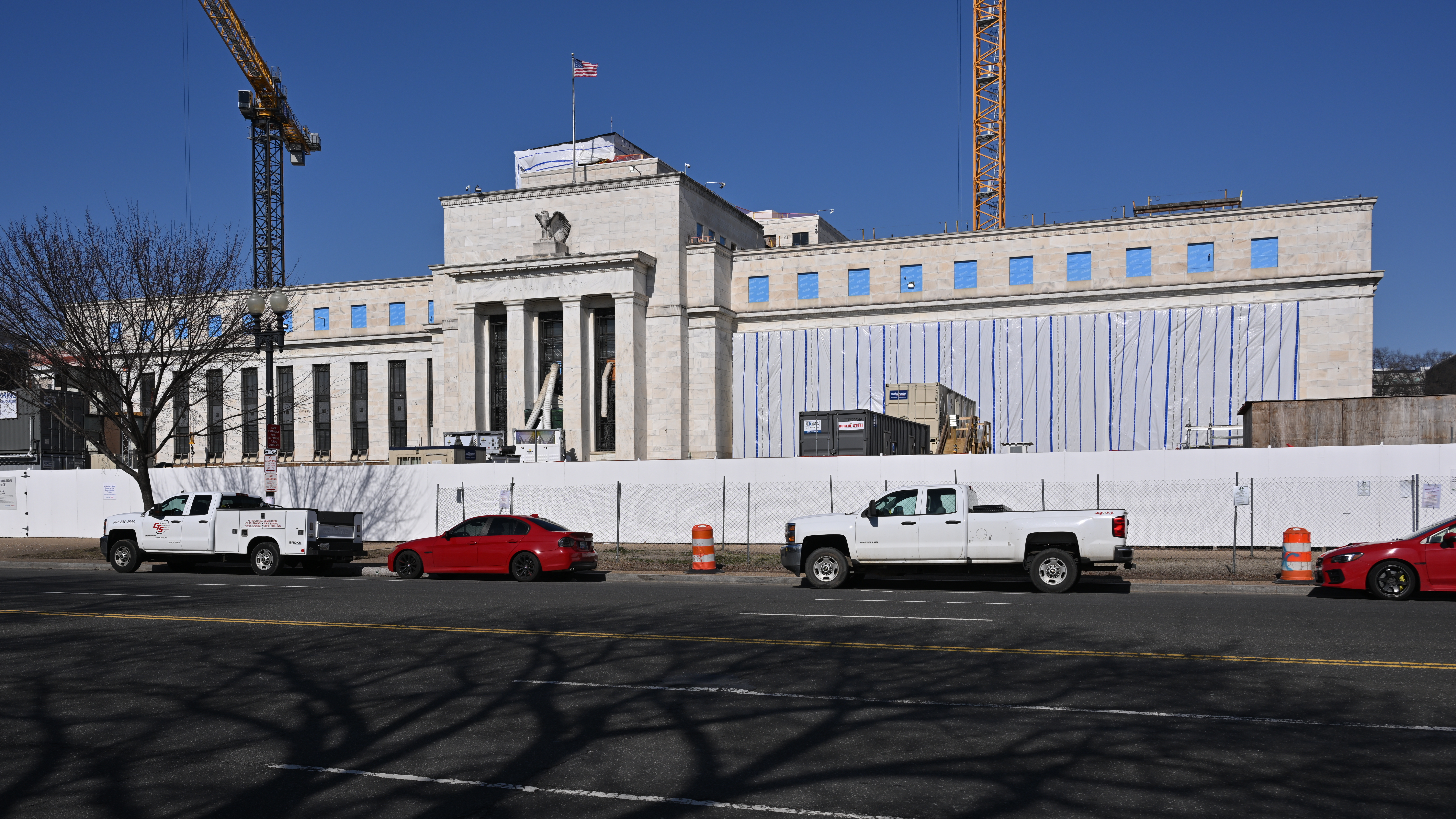
Institutional Continuity Versus Personal Legacy
For Powell, remaining as a Fed governor could prove beneficial for institutional continuity during the leadership shift to his successor. Often, incoming Fed chairs face steep learning curves in adapting to policy-making mechanisms, especially during periods of economic uncertainty. Powell’s post-chair role could serve as a bridge, offering the Board valuable insights and institutional knowledge.
Yet, this choice also runs the risk of overshadowing the autonomy of the new chair. As captured by USA Today, the upcoming Fed rate decision could mark Powell’s last impact as chair, but questions around perceived interference from a former chair who remains on the Board might complicate transition dynamics. “While Powell’s intent may be noble,” one analyst remarked, “the optics and institutional perceptions need careful calibration.”
The Rising Stakes in Monetary Policy
Powell’s term has been defined by pivotal moments for monetary policy, especially during the COVID-19 pandemic and the subsequent recovery efforts. However, his tenure has also faced criticism for inflationary pressures amid aggressive interest rate hikes. The Fed’s current approach, under Powell, focuses on balancing inflation control without stifling economic growth.
Market watchers remain divided about how Powell’s continued presence might influence the Board’s consensus on future interest rate adjustments, which could have far-reaching consequences for financial markets. As DLNews highlighted, markets have encountered volatility, including Bitcoin’s unsustainable rise to $75,000, fueled partly by inconsistent Fed signals.
Whether his post-chair engagement offers stability or creates friction, Powell’s legacy will rest in the Federal Reserve’s ability to restore trust among policymakers, the public, and financial markets.

Implications and What to Watch For
As Powell transitions from chairmanship to governorship, implications extend beyond personal legacy. Analysts predict that his ongoing influence may stabilize Board dynamics during crucial economic debates but could also challenge the perception of independence within the Fed.
The next chair will undoubtedly face critical hurdles, from managing inflationary pressures to addressing lingering criticisms about the Fed’s transparency. The transition will also raise questions about Powell’s role as the federal landscape grows increasingly polarized.
Industry professionals will closely monitor Powell’s relationship with the incoming chair and its impact on board consensus, as well as market reactions to a potentially extended Powell presence. For now, Powell’s decision underscores his commitment to public service, while leaving lingering questions about the long-term effects inside the nation’s most powerful financial institution.
The Federal Reserve’s next chapter begins with uncertainty, but Powell’s legacy serves as a reminder of the critical balance between expertise, continuity, and independence.