Images chosen by Narwhal Cronkite
Three Dead in Suspected Hantavirus Outbreak on Atlantic Cruise Ship
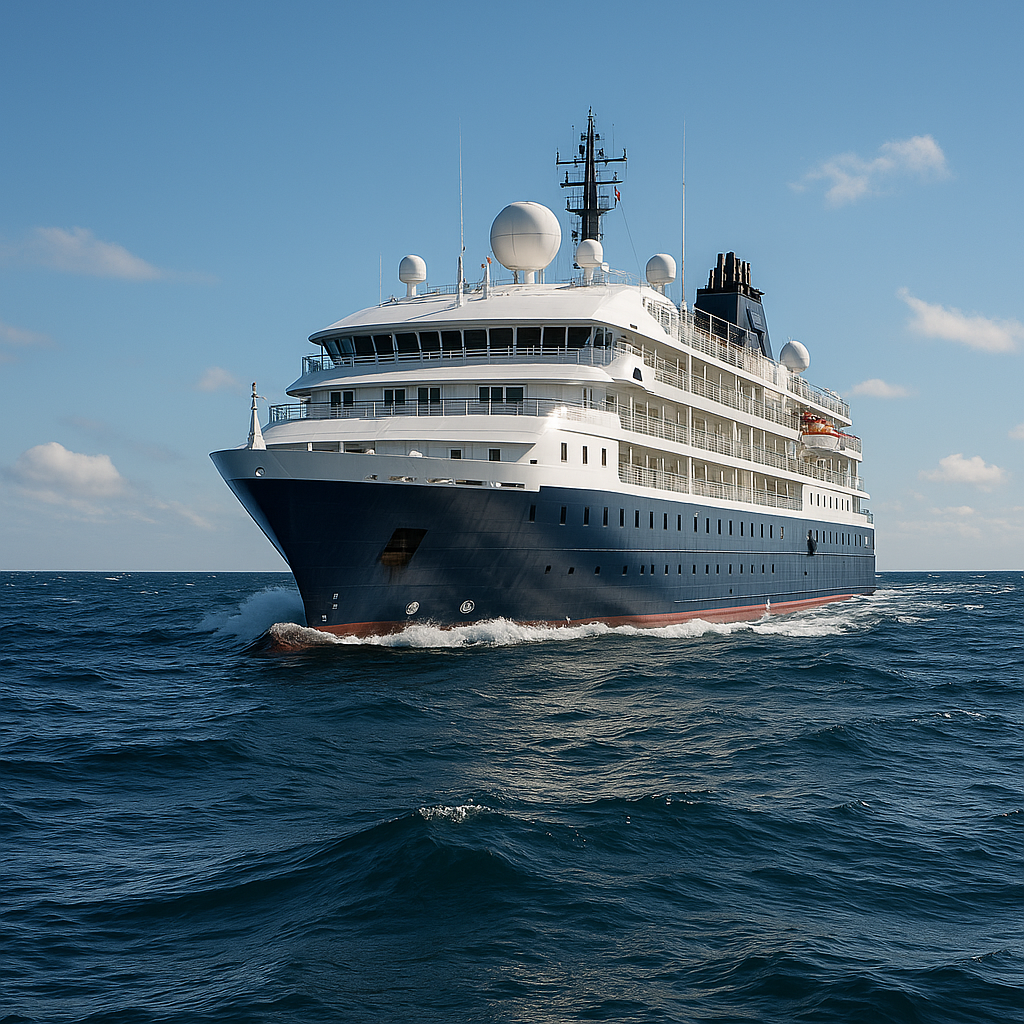
In a chilling reminder of the unpredictable dangers of modern travel, three people have died amid a suspected hantavirus outbreak aboard the MV Hondius cruise ship, currently navigating the Atlantic Ocean. With implications for global health and safety protocols in the cruise industry, the outbreak has stirred concern among experts and passengers alike. The World Health Organization (WHO) is now stepping in to coordinate medical evacuations and risk assessments, shedding light on a rare but deadly virus that could be lurking where travelers least expect it.
Understanding Hantavirus: Rare but Serious
Hantavirus, the infection at the center of this tragic incident, may not be a household name, but its impact on public health can be devastating. Typically transmitted to humans through contact with the urine, feces, or saliva of infected rodents, the virus can result in severe respiratory or hemorrhagic symptoms. According to the WHO, human-to-human transmission is rare but not impossible, raising concerns when outbreaks occur in crowded settings like cruise ships.
Dr. Michael Anders, an infectious disease expert, explains why the virus poses such a threat: “Hantavirus infections can lead to Hantavirus Pulmonary Syndrome (HPS), which has a high mortality rate of 30-40% in untreated cases. Early symptoms often mimic more common illnesses, such as influenza or food poisoning, making it difficult to detect in its initial stages.”
Dr. Anders also notes that proper sanitation and pest control are crucial in preventing transmission. With confined spaces and shared facilities, cruise ships present a unique environment for the potential spread of diseases like hantavirus.
The Timeline of the Outbreak
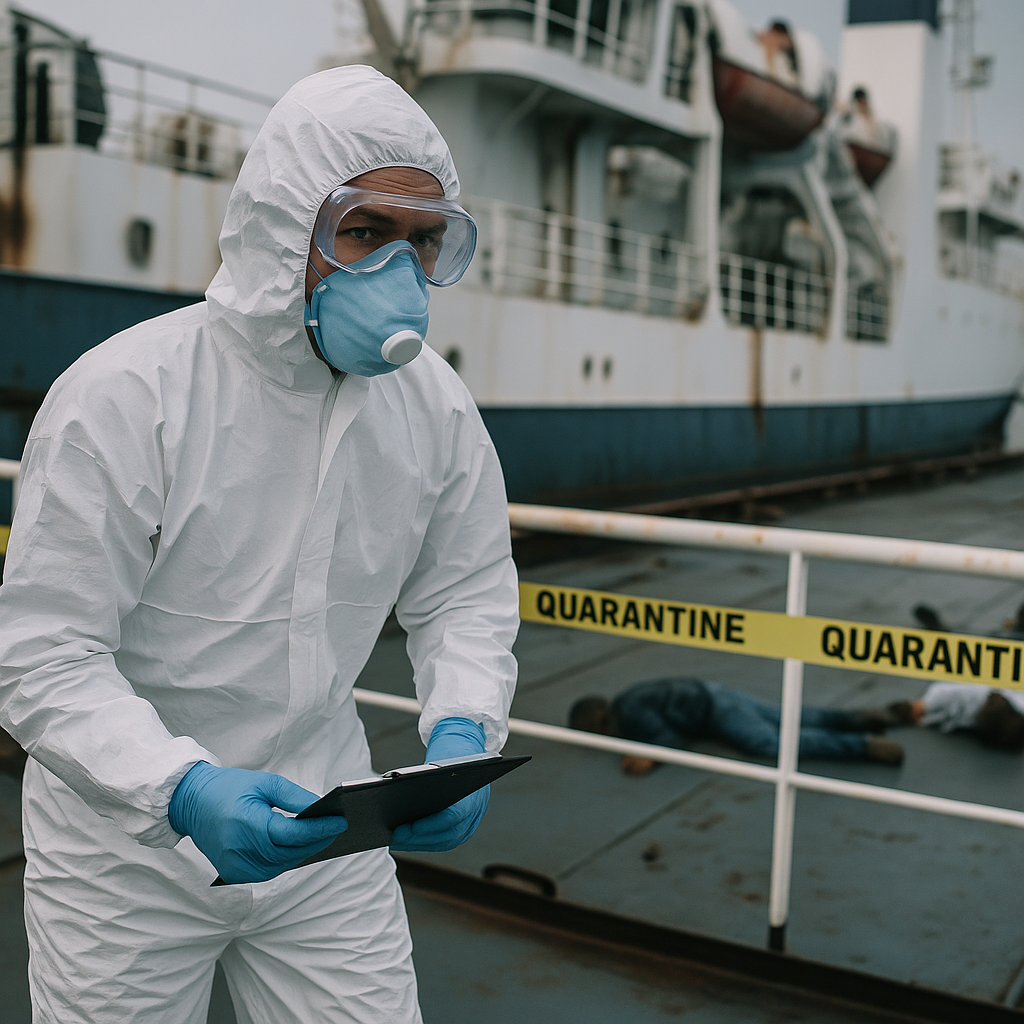
The MV Hondius, operated by Oceanwide Expeditions, departed from Ushuaia in southern Argentina on March 20, setting sail on a scenic route across the South Atlantic. Originally bound for Cape Verde with a diverse group of 150 international passengers, the ship’s journey took a grim turn when two individuals, a Dutch couple, fell seriously ill onboard. Symptoms included fever, headaches, abdominal pain, and diarrhea, which escalated rapidly for both victims.
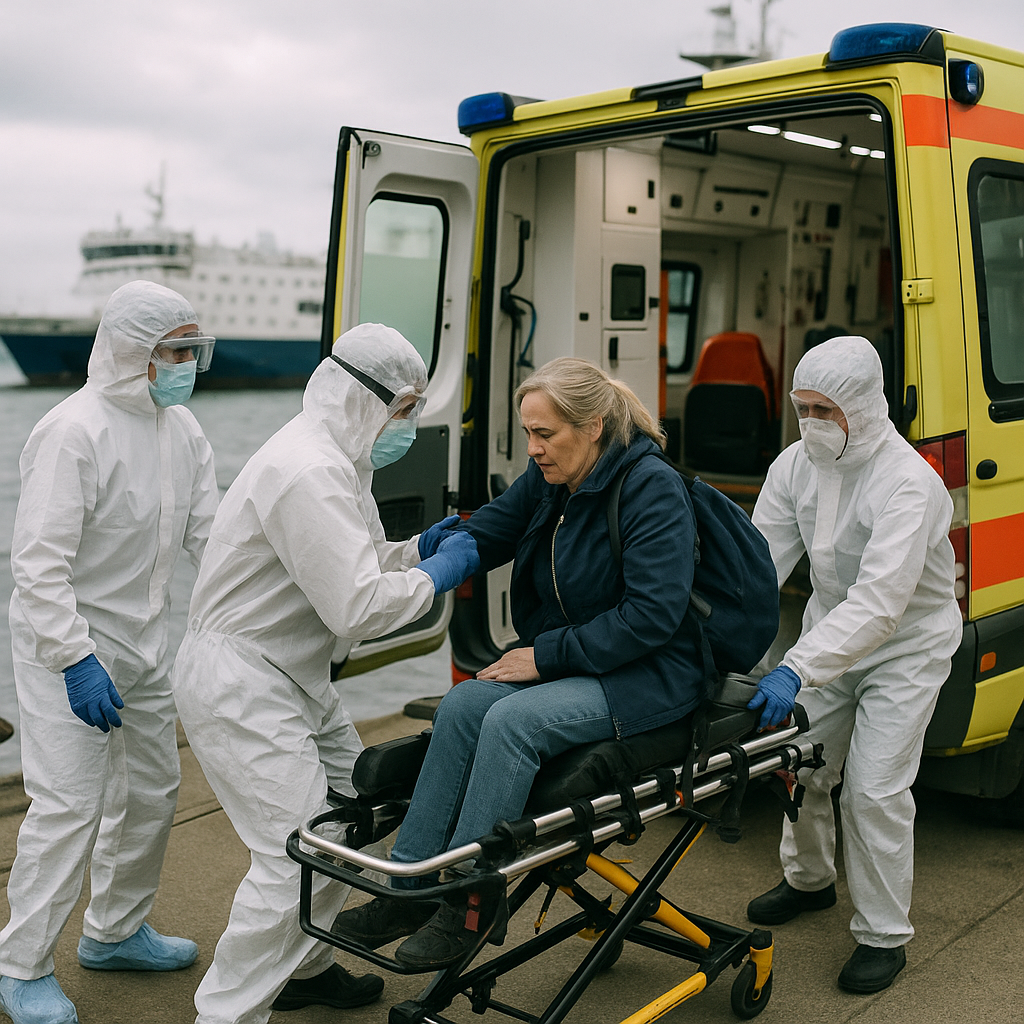
The male passenger, aged 70, succumbed to his illness upon arrival at St. Helena, a British territory in the South Atlantic. His 69-year-old wife was evacuated to a Johannesburg hospital but tragically passed away shortly thereafter. Amid mounting fears, reports later indicated the death of a third passenger, still aboard the ship. A British national, aged 69, is now in intensive care in South Africa, with local authorities confirming his infection with hantavirus.
“Our immediate priority is controlling the outbreak and ensuring the safety of everyone aboard,” said Foster Mohale, spokesperson for South Africa’s Health Ministry. WHO officials are also conducting a full public health risk assessment to determine how the virus breached this otherwise carefully controlled environment.
A Broader Question of Cruise Safety
This incident has reignited concerns about sanitary conditions aboard cruise ships, already notorious for outbreaks of norovirus and other infectious diseases. The MV Hondius, described as a 353-ft polar cruise vessel with accommodations for 170 passengers across 80 cabins, reportedly had a single doctor onboard when the outbreak began. Observers have questioned whether such facilities are adequate for emergencies of this magnitude.
A similar debate arose during the early days of the COVID-19 pandemic, when cruise lines were criticized for inadequate quarantine protocols and medical support. While the pandemic led to revised guidelines and stricter enforcement, the hantavirus outbreak underscores the ongoing need for vigilance and preparation.
“The confined spaces and shared resources on cruise ships make them fertile ground for disease transmission,” said Emily Chang, a maritime health analyst. “Operators must invest more in training, equipment, and real-time monitoring to mitigate these risks.”
Oceanwide Expeditions, the tour company managing MV Hondius, has yet to issue a detailed statement on the outbreak but acknowledged ongoing discussions to determine whether additional patients need to be evacuated to hospitals in Cape Verde or other nearby locations.
Global Implications and Risk Assessment
What happens on an isolated cruise ship in the Atlantic can have ripple effects for global travel and public health. The WHO’s involvement highlights the seriousness of this case, as their experts coordinate international efforts to assess the risks and assist affected countries.
One pressing question is how the outbreak began. Preliminary theories suggest rodents—common carriers of hantavirus—may have come aboard the ship in port prior to departure. Industry insiders often point to cargo loading, poor waste management, or pest control failings as potential entry points for harmful pathogens.
Another issue is the limited scope of current passenger screening mechanisms. While temperature checks and health surveys are increasingly standard in a post-pandemic world, they are unlikely to catch infections like hantavirus, which can remain asymptomatic for up to two weeks. Scientists emphasize the need for more robust pre-boarding health assessments, particularly for voyages through remote or less-developed regions.
What to Watch For Next
As the investigation continues, experts are closely monitoring additional passengers and crew onboard the MV Hondius for signs of illness. WHO officials are working with member states, particularly those where passengers originated, to track potential cases that may have already disembarked or been evacuated. The outcomes of these measures could offer critical lessons for the cruise industry, as well as other sectors where large groups of people are in close quarters for extended periods.
Commercial operators will also face renewed pressure to review their health and safety protocols. Passengers have long understood the romantic allure of traveling by sea, but as this incident shows, those adventures can carry hidden risks.
Moving forward, public health authorities worldwide must weigh the cost of strengthening regulations against the imperative of protecting lives. As Dr. Anders put it, “Outbreaks like this serve as a wake-up call—not just for cruise lines, but for the entire travel industry to stay vigilant in a world where the next threat could be just a plane or a boat away.”