Images chosen by Narwhal Cronkite
“This Is Not Covid, Nor Influenza. It Spreads Very Differently”: WHO on Hantavirus Outbreak
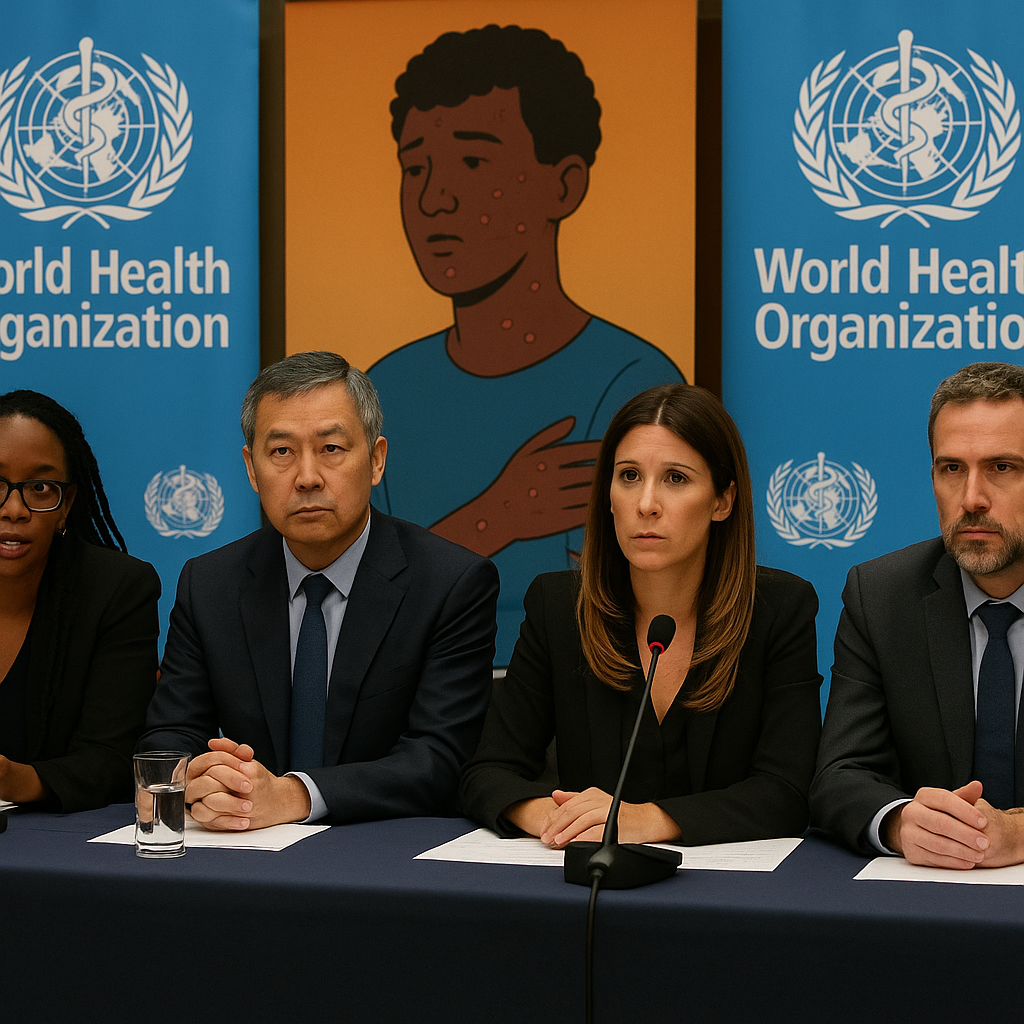
The World Health Organization (WHO) has called for calm amid growing concerns following a hantavirus outbreak aboard an Atlantic cruise ship. With comparisons to the COVID-19 pandemic inevitably emerging, health officials are making clear distinctions between the two viruses. “This is not COVID, nor influenza—it spreads very differently,” stated Dr. Maria Van Kerkhove, WHO Director of Epidemic and Pandemic Management. Here, we delve into what makes this outbreak unique and what it portends for global public health.
What Makes Hantavirus Unique?
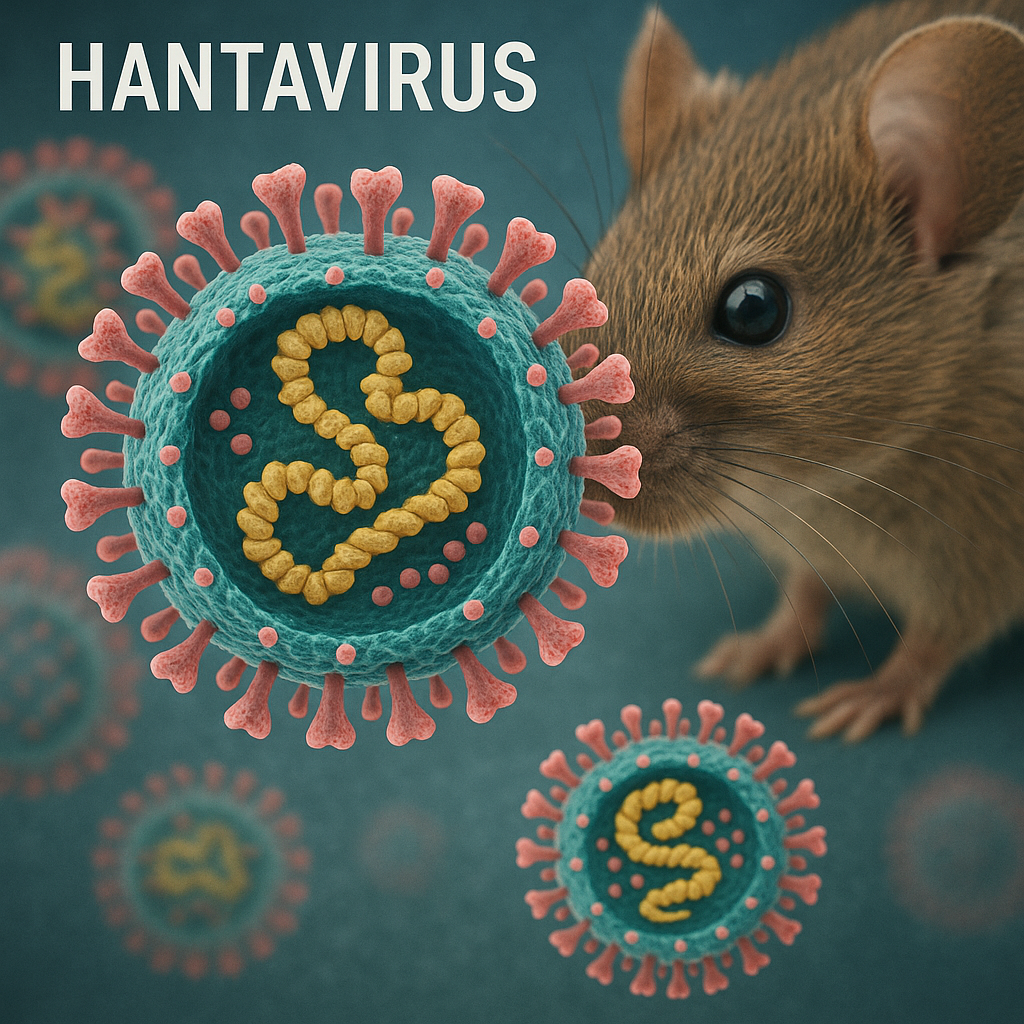
Unlike COVID-19 or influenza, hantavirus is primarily a zoonotic disease. It originates in rodents and is transmitted to humans through exposure to infected rodent saliva, urine, or feces. Importantly, as Dr. Van Kerkhove emphasized during a press briefing, transmission from person to person is exceedingly rare and occurs only under very specific conditions. “Human-to-human spread primarily happens through prolonged, close, and intimate contact,” she clarified.
The ongoing outbreak involves the Andes strain, the only known hantavirus variant capable of person-to-person transmission. Even so, the virus remains far less communicable compared to COVID-19. According to Dr. Abdirahman Mahamud, Director of the WHO’s Alert and Response Coordination Department, “This is not a highly contagious respiratory virus. The spread we’re observing is confined to a specific setting and involves close-contact interactions.”
Hantavirus differs in another stark way: its lethality. While COVID-19’s impact on global mortality has been devastating due to its ease of transmission, hantavirus has a much higher case fatality rate on an individual basis, sometimes reaching over 30%. This makes public health vigilance critical even during small outbreaks.
A Brief Overview of the Cruise Ship Outbreak
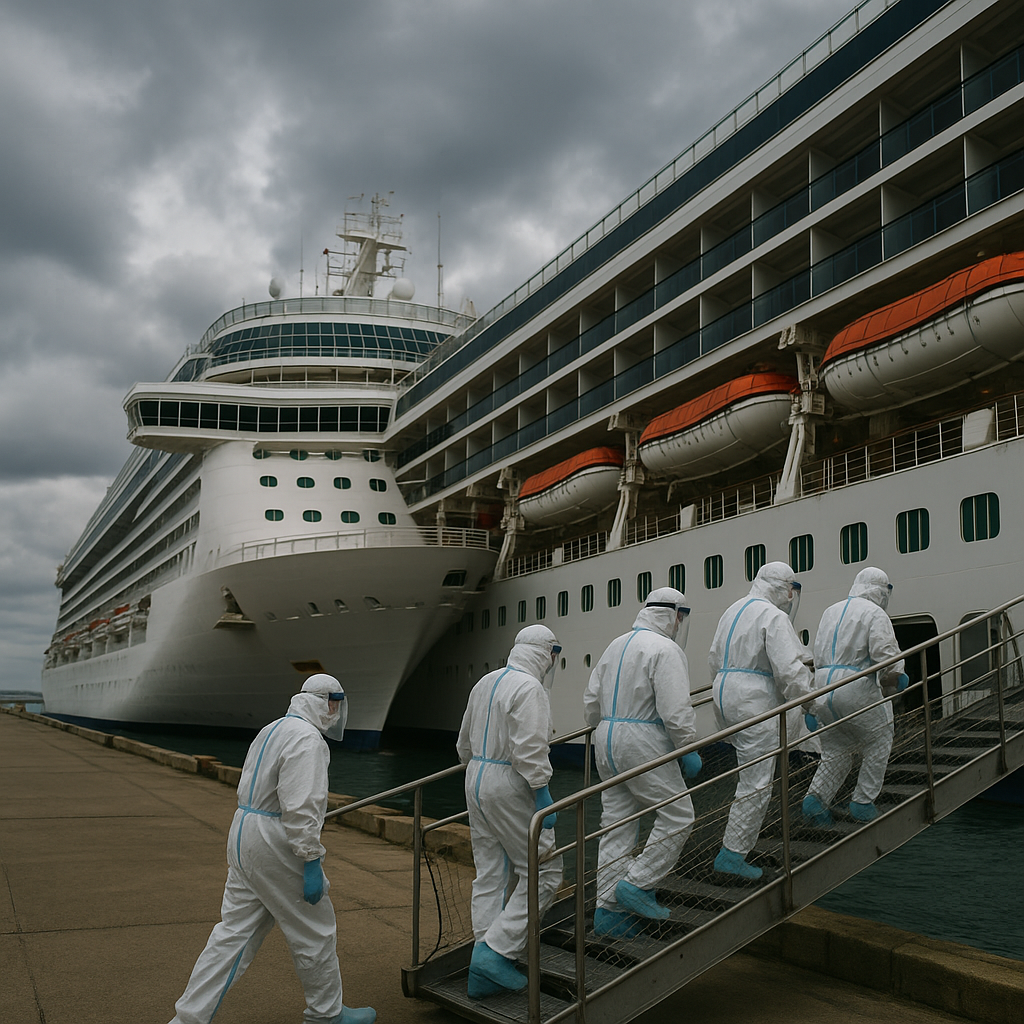
The epicenter of the current hantavirus outbreak is the MV Hondius, an expedition cruise ship sailing across the Atlantic. As reported by Digital Journal, five cases have been confirmed so far, with three fatalities and several more suspected infections. According to Dr. Mahamud, “The situation is reminiscent of an outbreak in Argentina between 2018 and 2019, where a symptomatic individual attending a social event infected several others in close proximity.”
Passengers aboard the ship are currently under quarantine to prevent further transmission. The cruise ship outbreak has raised alarms not just because of the fatalities but also due to various misconceptions circulating online about its potential to spark a pandemic akin to COVID-19. Officials are keen to dismiss such comparisons. WHO officials stress that effective contact tracing, isolation of cases, and vigilant monitoring make this outbreak manageable. “This is a contained scenario,” reiterated Dr. Van Kerkhove. “Public health measures are in place to break the chain of transmission.”
Why Comparisons to COVID-19 Are Misleading
The COVID-19 pandemic, which upended the world beginning in 2020, left a lasting impact on how societies perceive disease outbreaks. Understandably, any new illness raises fears of another global catastrophe. However, equating hantavirus to COVID-19 ignores fundamental differences in transmission dynamics and spread potential.
Hantavirus does not spread through respiratory droplets or aerosols, which made COVID-19 extraordinarily contagious. Instead, its transmission from rodents to humans usually requires direct contact with contaminated surfaces or inhalation of particles in rodent-infested areas. While the Andes strain seen in this outbreak can spread between humans, the conditions for transmission are narrow. “It’s worth noting that even in past outbreaks, transmission has remained highly localized,” said an infectious disease expert cited in NPR’s coverage.
Furthermore, the global infrastructure for managing disease outbreaks has vastly improved since the COVID-19 crisis. Enhanced testing capabilities, contact-tracing protocols, and public awareness ensure that diseases like hantavirus can be contained more effectively.
Lessons for the Post-COVID Era
The hantavirus outbreak aboard the MV Hondius offers a key takeaway: every disease, no matter how rare, demands a precise and proportionate response. Panic or misinformation can distract from effective containment efforts and result in unnecessary disruptions.
Health officials are leveraging lessons learned during the COVID pandemic to fine-tune their approach. For instance, rapid coordination among international agencies and a transparent flow of information have ensured that affected passengers receive prompt care. The repatriation plans implemented by the European Union, as highlighted in POLITICO, reflect these improvements. Collaborative action is preventing this confined outbreak from spiraling into a regional health crisis.
“While COVID-19 created an enduring alarm for respiratory viruses, hantavirus reminds us that pandemics arise from very specific conditions and not every outbreak needs to escalate into a global emergency,” concluded Dr. Mahamud.
What to Watch For Next
Looking ahead, global health organizations will be closely monitoring the spread of the Andes strain. So far, the transmission trajectory appears limited, but the situation underscores the importance of continued vigilance. Accurate public communication will remain central to combating misinformation and ensuring compliance with public health guidelines.
For now, the outbreak aboard the MV Hondius appears to be contained. Hantavirus does not currently pose the kind of existential threat seen during the COVID-19 pandemic, thanks in large part to the strict protocols being implemented. Scientists and health officials have also stepped up efforts to study rodent-borne viruses more rigorously, paving the way for better preventive measures against zoonotic diseases in the future.
With the outbreak expected to remain localized, global health authorities are refining their strategies and reinforcing the protocols that have successfully contained the virus thus far. For the rest of the world, this outbreak serves as a reminder of the unpredictable nature of infectious diseases, as well as the importance of science-led responses to minimize impact.
Until the final word on the current outbreak is delivered, the public should remain informed—but not alarmed. As Dr. Van Kerkhove succinctly put it, “This is not the beginning of a pandemic; it’s a moment to reaffirm our resilience and readiness to tackle emerging health challenges head-on.”