Images chosen by Narwhal Cronkite
‘We Don’t Recommend’ — Zelensky Warns Against Attending Russia’s Victory Day Parade
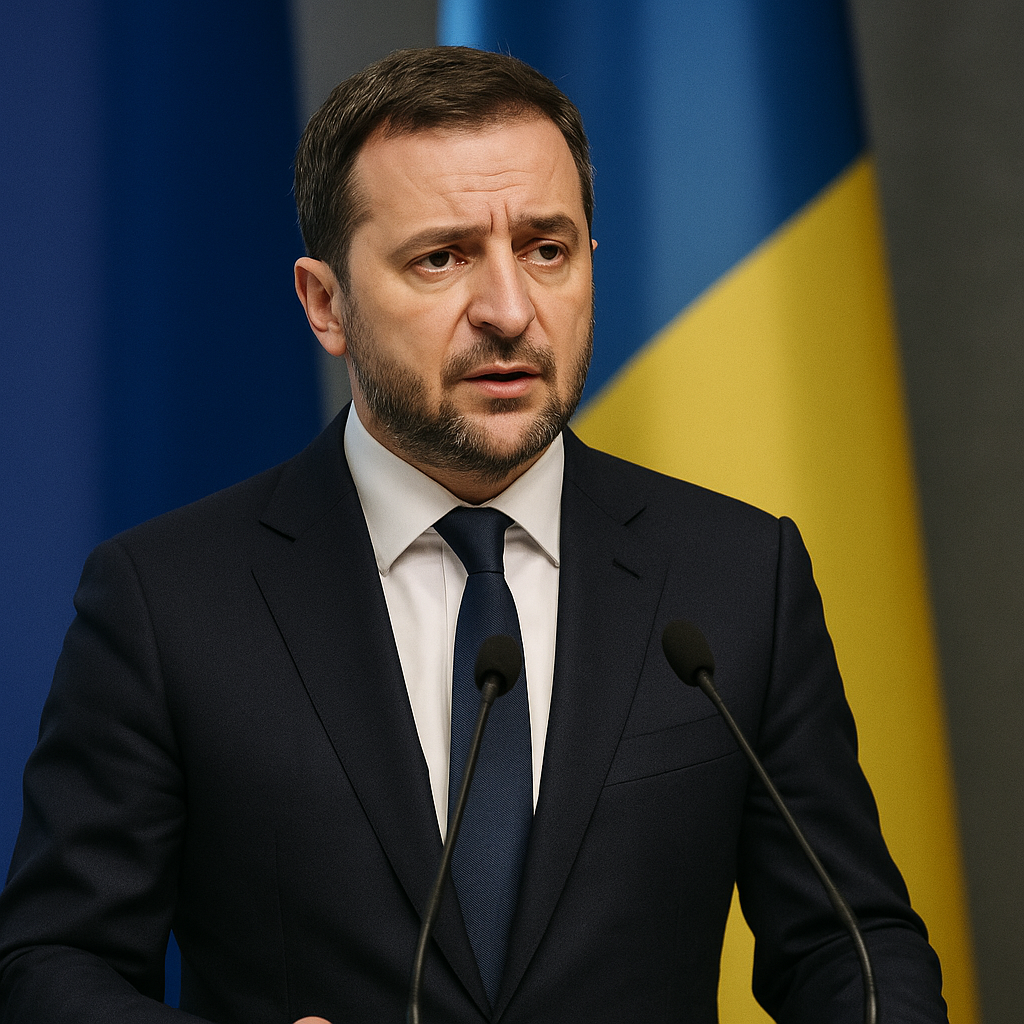
President Volodymyr Zelensky has issued a stark warning to foreign officials considering attending Russia’s annual Victory Day parade on May 9. With tensions between Ukraine and Russia continuing to escalate amidst ongoing conflict, Zelensky’s remarks underline the geopolitical sensitivities tied to this event. His statement raises fundamental questions about the balance of diplomacy and solidarity in the face of war.
Victory Day: A Symbol of Triumph or Posturing?
Victory Day, celebrated annually on May 9 in Russia, marks the Soviet Union’s victory over Nazi Germany during World War II. Historically, the parade has been an opportunity for Moscow to exhibit its military might and project national pride. However, this year’s event carries a much different tone, as the backdrop of the Ukraine-Russia war shifts its significance from commemorative tradition to a possible display of geopolitical posturing.
On May 7, the Russian Defense Ministry confirmed President Vladimir Putin’s announcement of a unilateral ceasefire from midnight May 8 to May 10. At face value, this decision may appear conciliatory, but it comes with a warning: Russia vowed to retaliate if Ukraine violated the ceasefire or targeted its facilities. The heightened threat of mass attacks on Kyiv casts a shadow over the supposed truce, raising doubts about its sincerity.
“They want permission from Ukraine to hold their parade, so they can safely march onto the square for one hour once a year, and then go back to killing our people and waging war again,” Zelensky said during his May 7 evening address. His comments encapsulate Ukraine’s skepticism toward Russia’s intentions, framing the parade as a strategic pause rather than genuine peace effort.
Growing Frictions Over International Presence
While Russian officials claim they did not invite foreign leaders to the parade this year, some countries reportedly approached Ukraine regarding their representatives’ attendance. Such inquiries have drawn Zelensky’s ire, as he pointedly remarked, “An odd desire… these days. We don’t recommend it.” His strong words reflect Ukraine’s concerns that attendance might inadvertently signal tacit approval of Russia’s actions and policies amidst a brutal war.
Industry observers note that the optics of foreign diplomats present at the parade could complicate international alliances. “For nations critical of Russia’s invasion, the parade attendance would be a diplomatic minefield,” says international relations analyst Dr. Irina Kovalenko. “It risks creating narratives of neutrality or appeasement, even if their intention is purely ceremonial.” Countries maintaining complex relations with both Ukraine and Russia may face significant pressure to justify their decisions under close global scrutiny.
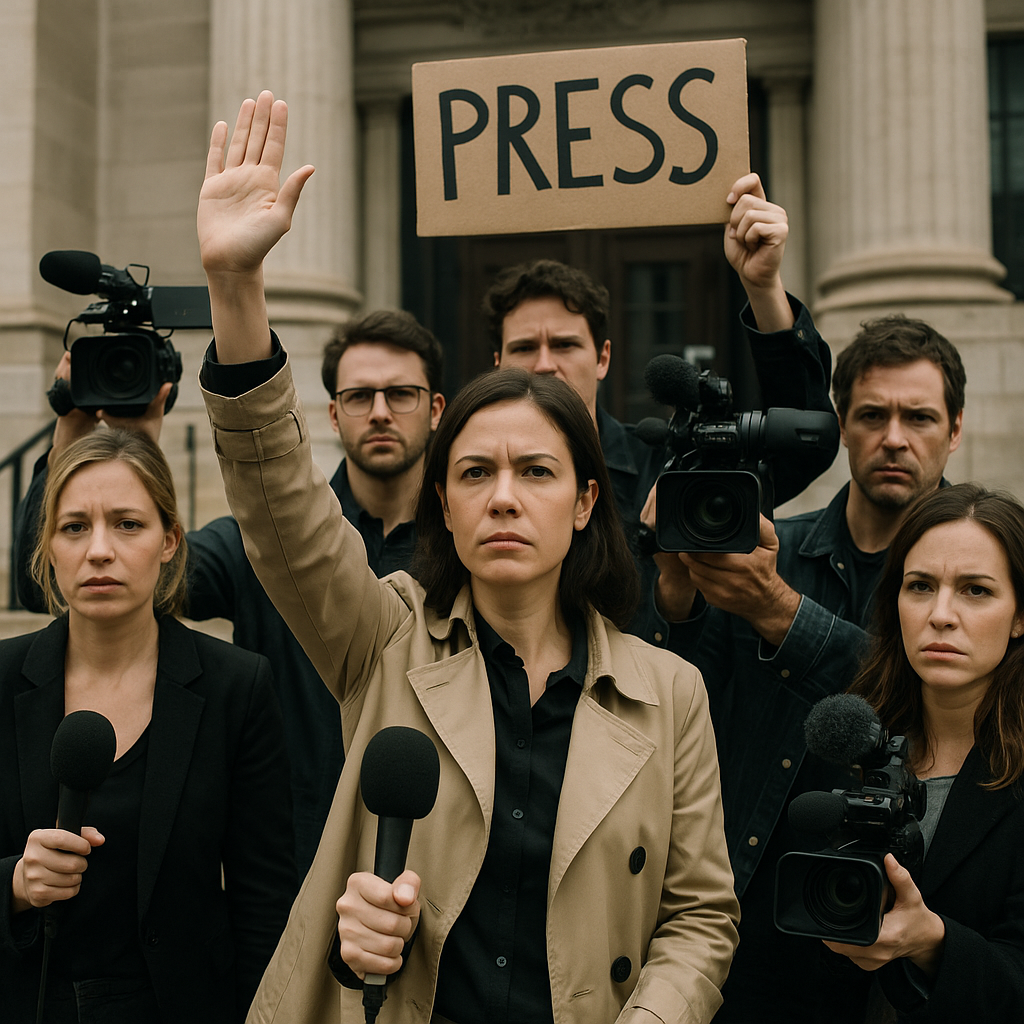
Adding to the tension, Moscow has imposed restrictions on foreign journalists covering the parade. According to Der Spiegel, the Kremlin revoked their accreditations due to the “current operational situation.” This decision has fueled speculation about Russia’s motivations, with critics arguing the move aims to control the narrative by limiting independent reporting.
How Ukraine’s Army Could Impact the Parade
Amid mounting concerns in Moscow, Zelensky has cryptically commented that the fate of Russia’s parade “depends” on Ukraine’s army. Although no direct threats have been made, his remarks highlight the precariousness under which the event will take place. Ukrainian officials maintain that any actions against the parade would only occur following ceasefire violations by Russia.
Nonetheless, Ukrainian resistance has been a thorn in Moscow’s side, with analysts suggesting that even symbolic disruptions would strike a blow to Russia’s narrative of invincibility. “If Ukraine chooses to take coordinated risks even during this truce, it could profoundly reshape perceptions of Russian stability,” Dr. Kovalenko adds. “This plays heavily into the ongoing diplomatic contest for global support and the legitimacy of military campaigns on both sides.”
Implications for Global Politics
Zelensky’s warning signals broader consequences beyond Ukraine and Russia. Nations aligned with Ukraine on security partnerships or economic sanctions face reputational risks if they are perceived as supporting Russia during such significant events. On the flip side, countries traditionally neutral or friendly to Moscow could damage their standing with Western allies by attending.
Diplomatic observers predict that few, if any, high-ranking foreign officials will attend the parade this year. Compared to previous years when prominent world leaders were seen side by side with Putin on Victory Day, the absence of international guests would underscore Russia’s relative isolation on the global stage.
Meanwhile, warnings to avoid the event also extend to international businesses and media outlets. “The lack of coverage from prominent global players risks turning this year into a subdued propaganda effort rather than a glittering showcase,” says media studies professor Dr. Andrea Romanov. “It’s an implicit victory for those seeking to marginalize Russia’s portrayal of strength.”
What to Watch for Next
The unfolding dynamics around Russia’s Victory Day parade will provide crucial insights into how global actors navigate the fine line of diplomacy in wartime. Will Zelensky’s warnings deter potential attendees? Can Russia use its unilateral ceasefire to restore credibility, or will perceived violations continue to undermine its truce efforts?
Equally significant, the military posturing around Moscow and Kyiv during these critical days will likely set precedents for future diplomatic engagements. As both sides measure their actions in the court of international opinion, global leaders remain firmly in the spotlight for their choices in this high-stakes moment.