Images chosen by Narwhal Cronkite
People Would Rather Have Nuclear Power Plants In Their Area Than AI Data Centers
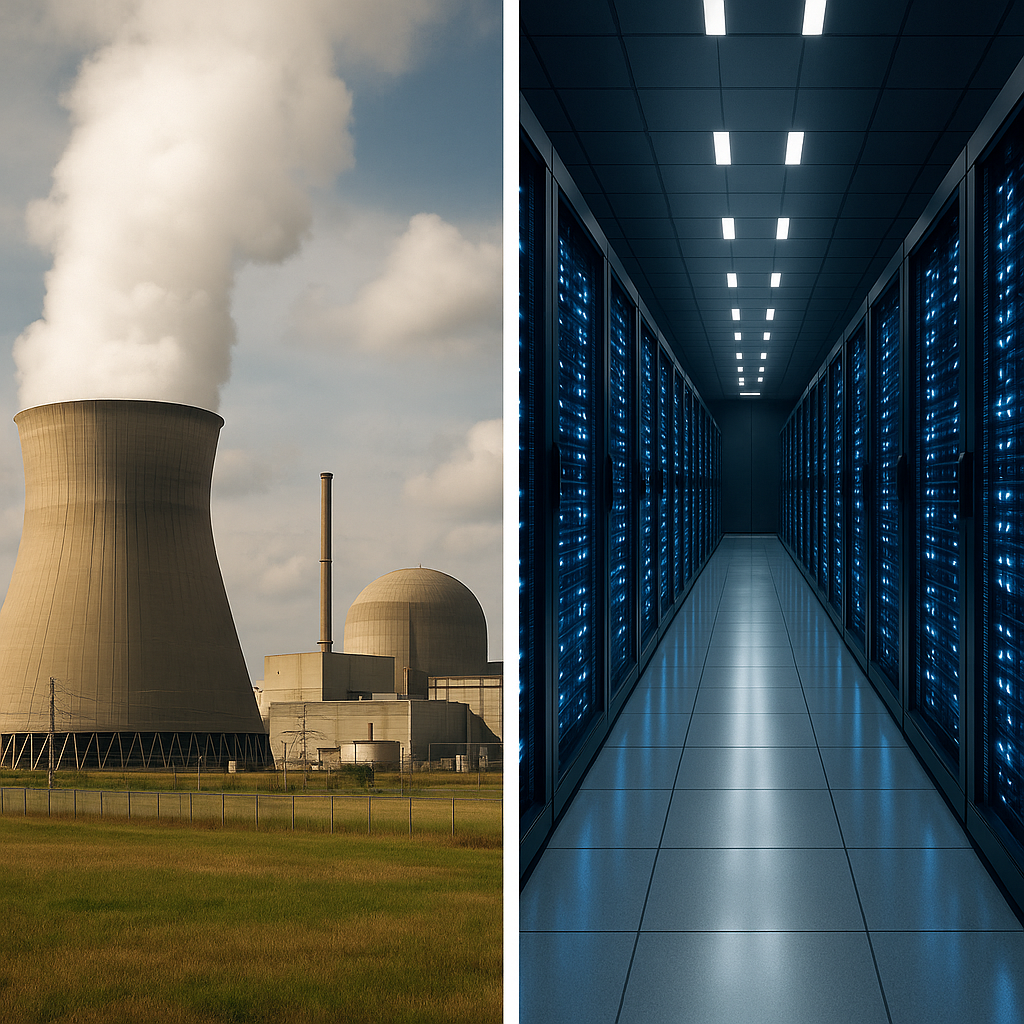
In a surprising twist of public opinion, Americans are more comfortable with the idea of living near a nuclear power plant than having an artificial intelligence (AI) data center in their neighborhood. This counterintuitive finding comes from a recent poll detailed by Business Insider, highlighting a growing discomfort toward the rapid expansion of AI infrastructure.
Why AI Data Centers Are Raising Concerns
Historically, nuclear power has been one of the most controversial topics when it comes to local development projects. Fears about radiation leaks, catastrophic failures, and long-term environmental impacts have made nuclear projects polarizing across the United States. Given this history, it’s a startling revelation that data centers—hub facilities that manage the enormous computing power behind AI systems—are now less welcome in most communities than reactors themselves.
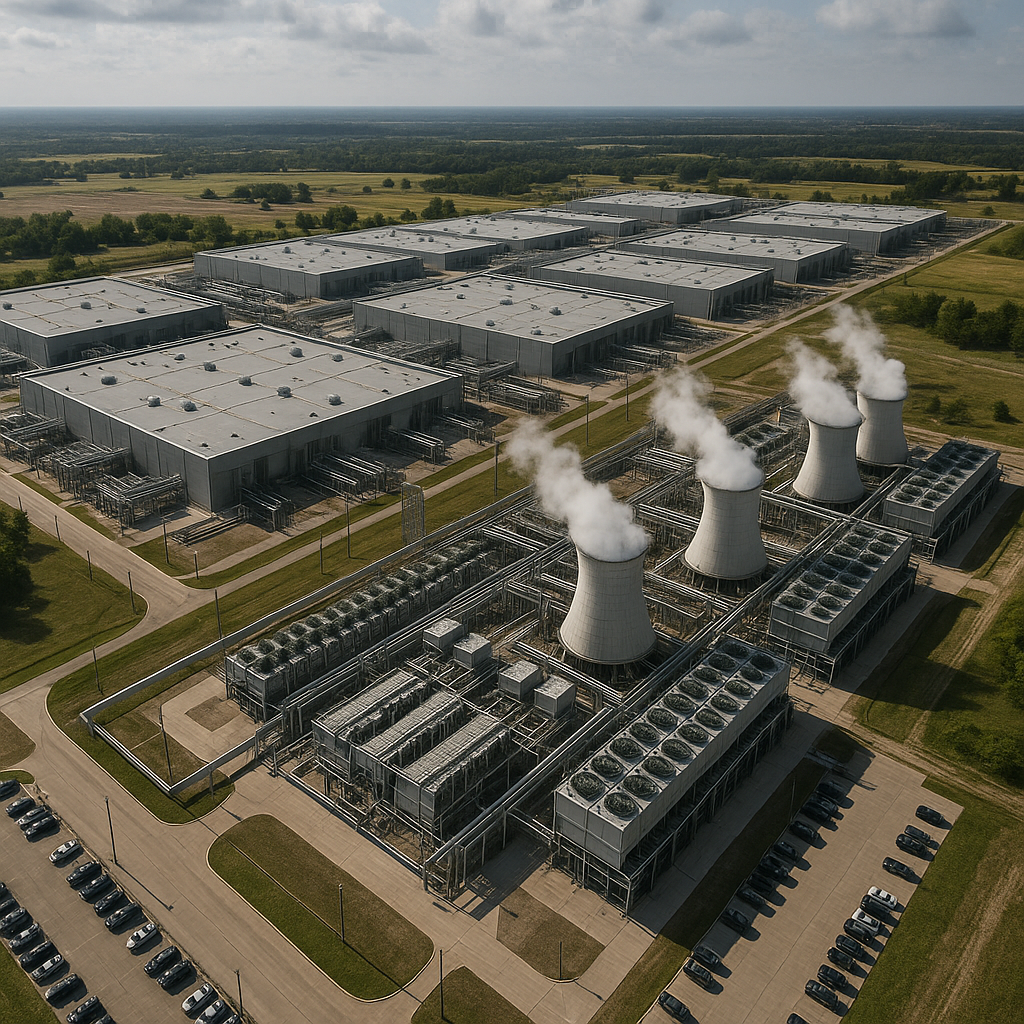
So why the skepticism toward data centers? Analysts point to several factors. First among them is their voracious appetite for electricity and water. Data centers demand significant amounts of energy to power servers, as well as a steady water supply for cooling systems. In regions already grappling with droughts or power shortages, these demands only amplify existing crises. As Business Insider noted, residents worry that local ecosystems and infrastructure will buckle under the strain.
Environmentalists have also raised a red flag. The urgency of climate change has pushed the tech sector toward greener solutions, but AI-driven data centers, due to their enormous computational needs, are pulling the needle in the opposite direction. “When you hear the term AI revolution, what you don’t hear is the idea of resource revolution,” said one energy policy expert. “AI comes at a staggering environmental cost.”
The Reframing of Nuclear Energy
Conversely, the public’s perception of nuclear power plants has seen a slow but steady shift over the years. According to a Gallup poll referenced by Scientific American, many Americans are beginning to equate nuclear power with clean energy rather than existential risk. In an era of expanding renewable energy adoption, nuclear energy is increasingly seen as a viable bridge to a carbon-neutral future.
This new perspective on nuclear power is driven by several factors. First, the global push for carbon neutrality has elevated nuclear energy as one of the few non-fossil fuel sources capable of consistently supplying large-scale energy. Additionally, safety standards and technological advances have significantly minimized the risks of radiation leaks. “Modern reactors are not your grandfather’s nuclear plants,” explained a senior engineer at the American Nuclear Society. “Today’s nuclear facilities operate far more efficiently, with multiple redundancy systems to ensure disaster scenarios remain just that—theoretical.”
Another contributing factor is the increasing prevalence of AI-mediated job losses, a point of contention raised by several community activists. Many worry that while nuclear power may generate jobs in specialized fields, the proliferation of data centers is often accompanied by extensive automation that displaces blue- and white-collar workers alike.
NIMBYism: The Universal Barrier
Both nuclear power plants and AI data centers are facing resistance under the broader trend of Not In My Backyard (NIMBY) opposition. For decades, sprawling urban and suburban communities have lobbied against perceived threats to their quality of life, be it large infrastructure projects, renewable energy installations, or industrial developments.
The key difference here may lie in how these projects are marketed to the public. Nuclear projects often arrive with substantial government involvement, oversight, and public briefings, which can ease concerns. Conversely, AI data centers are seen as emblematic of the tech sector’s unchecked expansion. Big Tech’s public image has faltered in recent years, with mounting criticism over privacy concerns, data security, misinformation, and the ecological side effects of their operations. These concerns have spilled over into seemingly unrelated developments, such as data centers, which local citizens associate with broader, amorphous fears of a tech-dominated future.
What This Says About the Broader AI Backlash
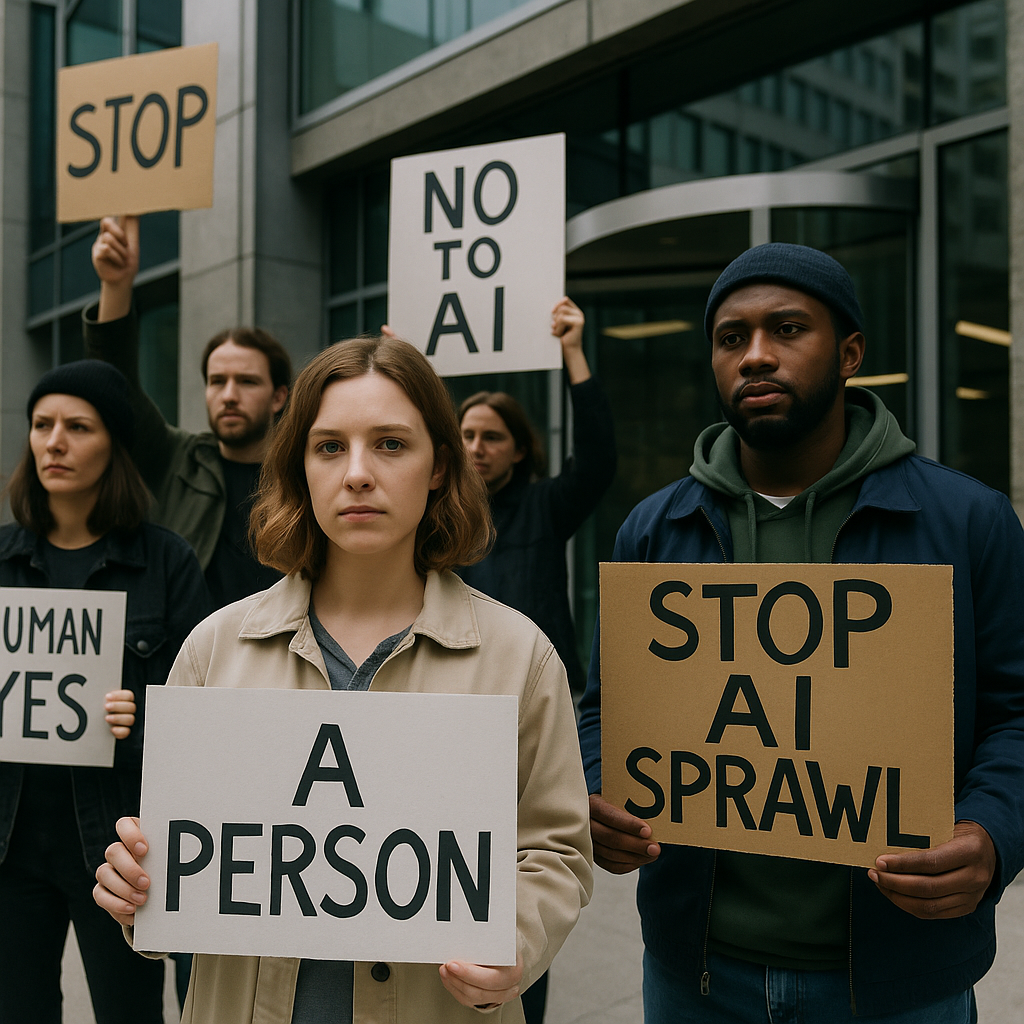
Beyond the specific feelings about data centers, this polling points to a broader public backlash against AI-adjacent industries. As reported by Gizmodo, recent controversies like “AI Jesus”—an AI-generated religious figure—have exposed the cultural and ethical tensions surrounding artificial intelligence’s role in everyday life. If technologies as powerful and transformative as AI are to earn the public’s trust, transparency and robust ethical frameworks are non-negotiable.
“What we’re seeing is essentially an AI skepticism tipping point,” said a social scientist specializing in the tech industry. “The public is starting to view AI not as a technology to enhance their lives, but as a force that consumes their resources while distorting their societal norms.”
The stakes extend far beyond public opinion: observers believe continued resistance could slow the rollout of AI infrastructure. This would have economic ripple effects, given the interdependence of AI capabilities with industries ranging from healthcare to logistics to entertainment. AI’s potential as a transformative technology is colossal, but so too are the scale of the concerns it generates.
What’s Next?
Looking forward, the ultimate resolution may come down to public education and environmental accountability. Communities need a better understanding of what nuclear facilities and data centers entail. Transparency from corporations and government agencies will be crucial to foster trust. Similarly, leaders in the tech sector will need to demonstrate a commitment to minimizing the resource footprint of future data centers while actively engaging with the communities they seek to enter.
Meanwhile, the fundamental question looms large: are we truly prepared for the trade-offs an AI-driven future demands? As our energy grids, water tables, and cultural landscapes are increasingly reshaped to accommodate AI technologies, this balancing act will only grow more precarious.
For now, the growing preference for nuclear power plants over AI data centers is a striking indicator of the public’s evolving priorities. Both industries will need to rethink their community engagement strategies—and perhaps even their entire operational models—if they hope to address the trust deficit they face in the years ahead.