Images chosen by Narwhal Cronkite
Pope Leo XIV Offers Historic Apology for Vatican’s Role in Slavery
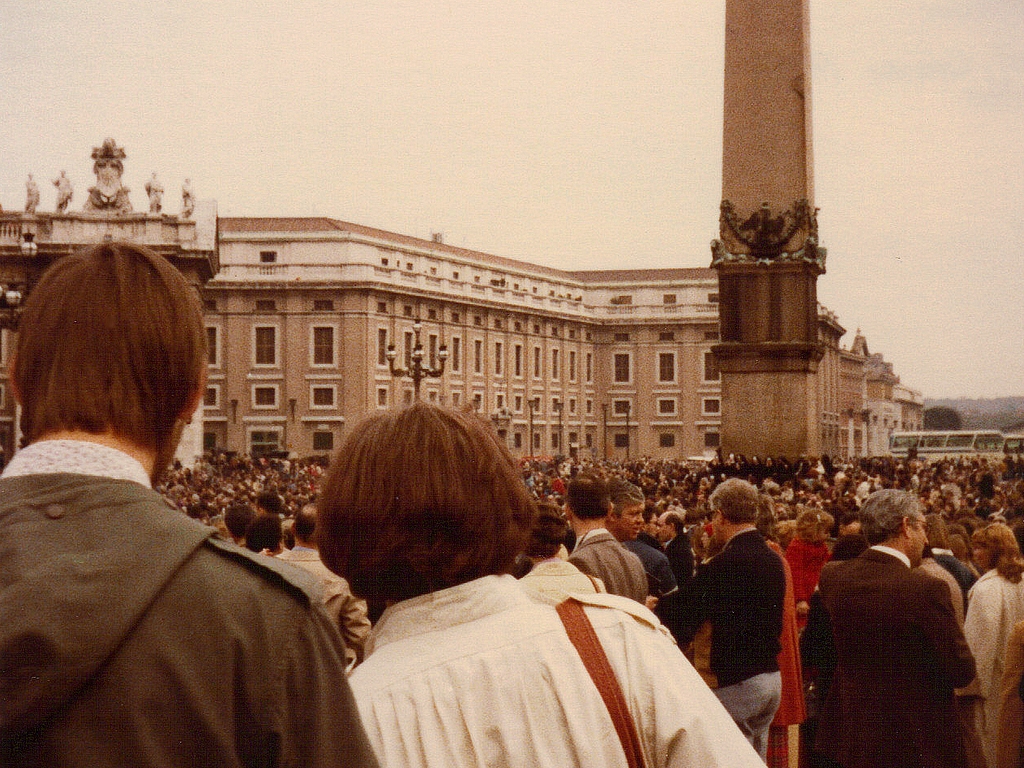
In a groundbreaking moment that echoes through the annals of history, Pope Leo XIV has issued a formal apology for the Vatican’s role in legitimizing slavery. During a deeply somber address to thousands gathered in St. Peter’s Square, the Pontiff acknowledged centuries of institutional complicity in one of humanity’s darkest chapters. The apology marks a pivotal step toward reconciliation and a reexamination of moral accountability within the Catholic Church.
Acknowledging an Uncomfortable Legacy
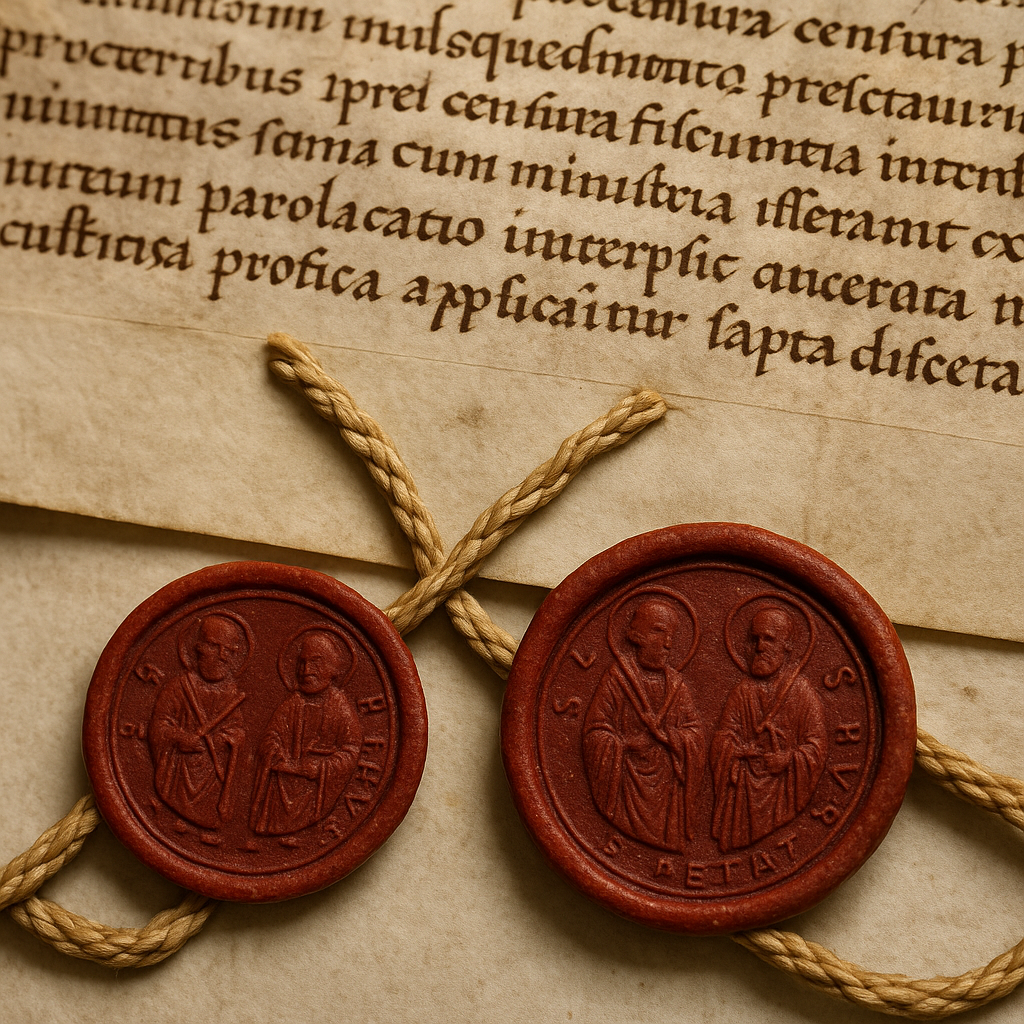
Slavery, a practice that spanned centuries and brought immeasurable suffering to millions, was often sanctioned by powerful institutions—including the Catholic Church. Historical records reveal troubling evidence of how Church leaders issued papal bulls and other decrees supporting slavery, particularly during the transatlantic slave trade. For instance, Pope Nicholas V’s Dum Diversas (1452) explicitly allowed the subjugation of non-Christian peoples, paving the way for European colonial powers to justify enslavement on religious grounds.
“The Church cannot undo what has been done,” Pope Leo XIV solemnly professed during his speech, “but we must acknowledge our sins with humility and take concrete steps toward justice and healing.” His words, accompanied by heartfelt silence from the crowd, underscored the gravity of institutional responsibility and repentance.
The Historical Intersection of Religion and Slavery
The Vatican’s stance on slavery has evolved significantly over time, but its historical entanglement with the practice remains a subject of intense scrutiny among historians. The doctrine of spreading Christianity often collided with exploitative colonial interests, resulting in a morally fraught relationship with forced labor and human rights abuses.
While later popes condemned slavery, such critiques often lacked immediate enforcement, leaving room for continuation. As reported by AP News, the Pope’s admission is being viewed by many observers as an unprecedented acknowledgment of uncomfortable truths. Historian Dr. Maria Corvale noted, “The Church’s apology today serves as an invitation to revisit these suppressed dimensions of history and understand the complex interplay between faith and power.”
Responses from the Global Community
Reactions to the Pontiff’s statement have been overwhelmingly diverse, reflecting the complexity of the issue. Advocates for social justice and reconciliation have lauded Pope Leo XIV for his boldness in addressing institutional accountability. “This apology represents the beginning, not the end, of the Church’s efforts to confront its complicity,” said human rights activist Rafael Dominguez. Others, however, have called for more tangible actions beyond repentance, such as reparations or community programs aimed at rectifying the damages caused.
Critics assert that merely apologizing, while symbolically impactful, may not suffice in addressing the lasting scars of slavery. “Words are powerful,” observed theologian Angela Frey, “but the real justice lies in transformative action. What concrete steps is the Vatican ready to take?”

What Does This Mean for the Catholic Faith?
For millions of Catholics worldwide, this apology signifies a moment of reflection and reckoning. It also reignites questions about the Church’s broader role in addressing systemic injustices. Faith-based organizations have begun organizing discussions, workshops, and prayer events to grapple with these issues on personal and communal levels.
This historical apology may also prompt other institutions to examine their roles in perpetuating systemic injustices. “When one moral authority takes responsibility for past wrongs, it sets a precedent for others to follow suit,” commented analyst Kenneth Liu. Across schools, churches, and communities, the apology could spark a wave of educational efforts to inform people about the history of slavery and the Church’s past complicity.
Looking Ahead: Striving for Restorative Justice
The Vatican’s next steps will be closely watched by both supporters and skeptics of Pope Leo XIV’s initiative. Will this admission pave the road toward meaningful reparations or grassroots programs to empower affected communities? Or will it remain a rhetorical moment in the archives?
Industry observers predict an increased commitment to social justice initiatives, including Vatican-backed partnerships with global organizations focusing on racial equity and human rights. Others anticipate major reforms in theology schools and parish-level education, incorporating historical accountability within religious teachings.
Pope Leo XIV concluded his address with a call for collective action: “May our acknowledgment awaken the conscience of not just the Church but all humanity, so that we may move together toward a future of dignity, justice, and sacred reconciliation.” These words challenge stakeholders worldwide—religious, political, and educational—to confront past complicities in harm and build bridges toward healing.
With history under reconsideration and justice as a guiding principle, the Vatican’s apology may signify not just penance but a new chapter in global accountability.
What comes next?
The implications of Pope Leo XIV’s apology will continue unfolding in the months and years ahead. Activists, historians, and Catholic leaders alike will monitor the progress and efficacy of initiatives tied to institutional repentance. What remains clear is that this moment has opened fertile terrain for dialogue, action, and a collective reckoning with humanity’s shared past.