Images chosen by Narwhal Cronkite
Russia Begins Talks of Ending the War to Salvage Its Economy
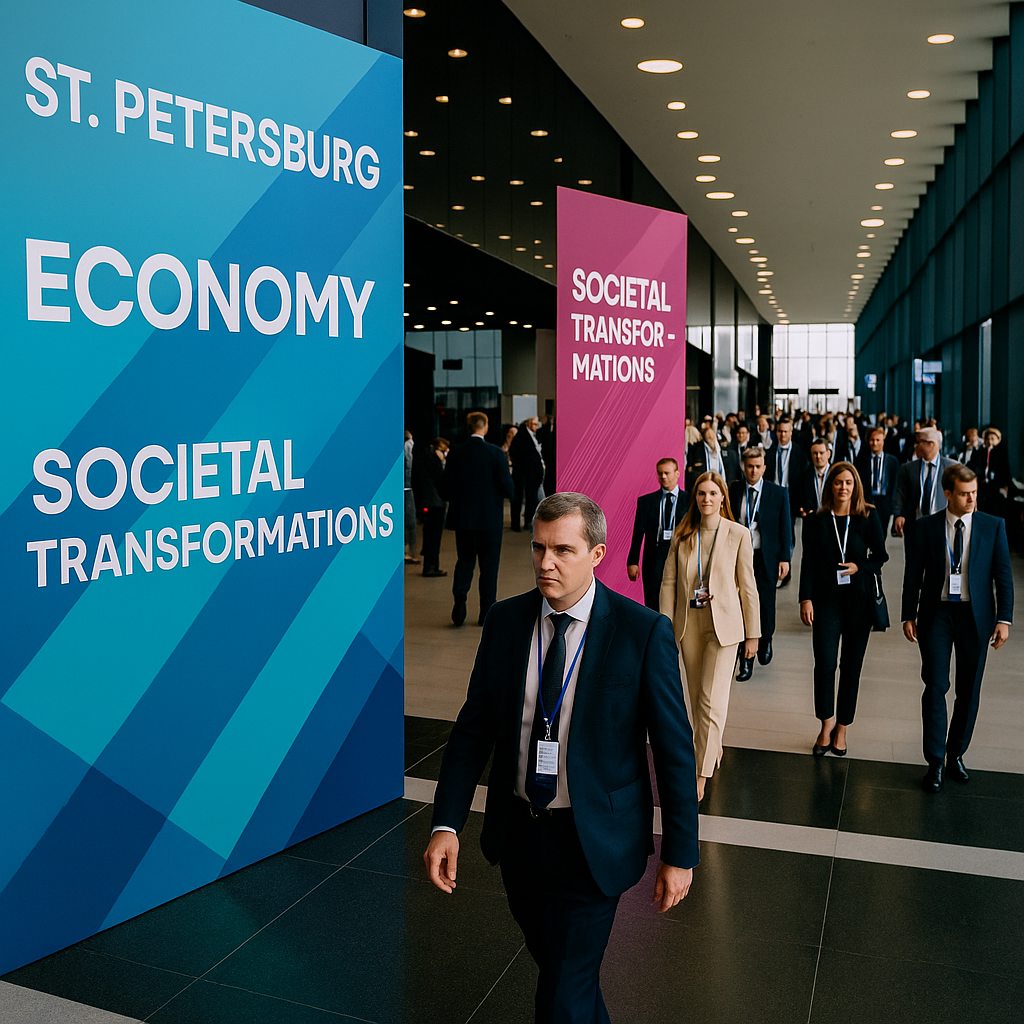
The clouds of economic disruption have intensified over Russia, pushing the leadership and business elites to contemplate peace negotiations amid growing concern for the nation’s faltering economy. Amid tightening sanctions, plummeting growth rates, and attacks on critical infrastructure, signals for an end to hostilities appear to gain traction. As Reuters reports, these discussions precede this year’s St. Petersburg International Economic Forum, slated to bring the country’s priorities into sharp focus.
The Collision of War and Economy
Russia’s economy, historically robust under President Vladimir Putin’s leadership, now faces its most tumultuous period in decades. With a GDP estimated at $3 trillion, the nation has seen its growth slow dramatically from 4.9% in 2024 to just 1% in 2025, before contracting by 0.2% in early 2026. Reuters attributes this decline not only to Western sanctions but also to the strengthening ruble and soaring domestic interest rates that have stifled business investment.
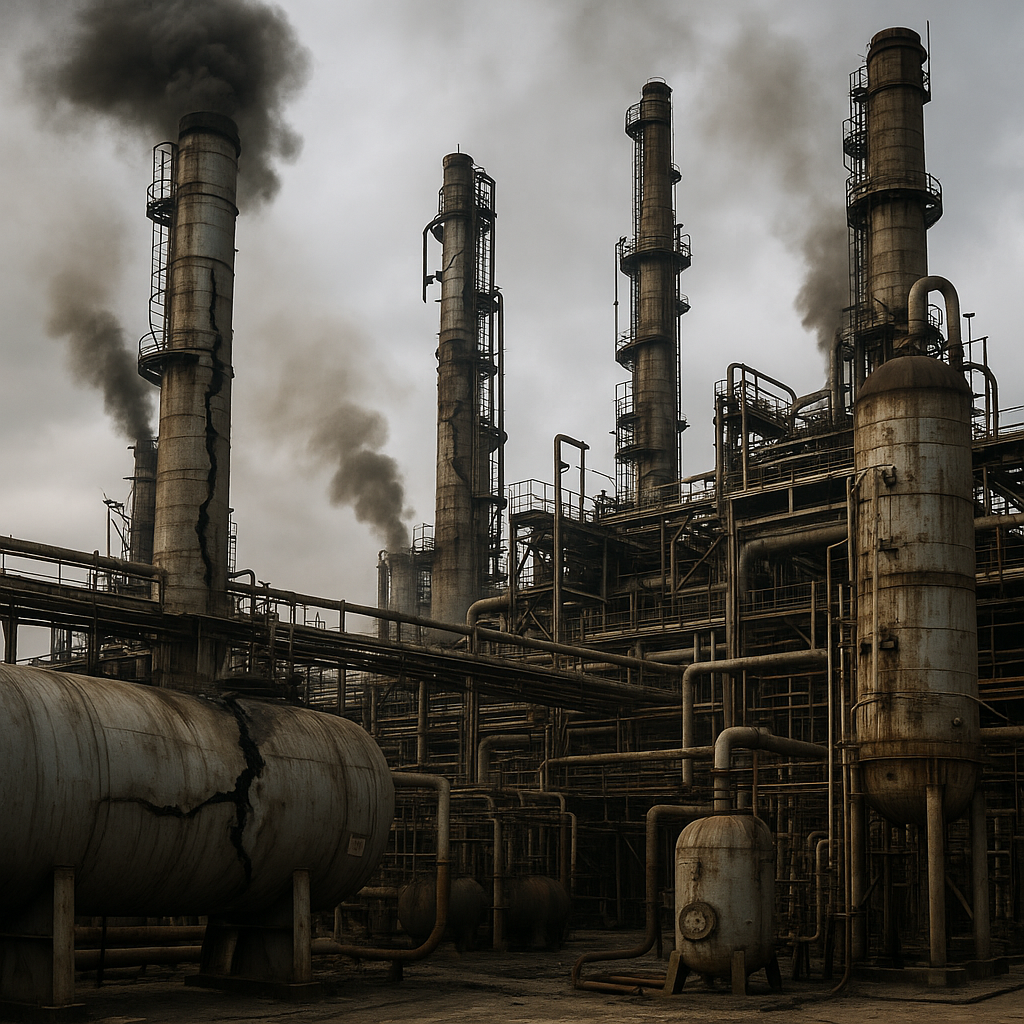
To compound matters, Ukrainian drone strikes have inflicted severe damage on Russian oil refineries, ports, and industrial facilities, affecting nearly a quarter of the country’s oil refining capability. The risk of nationwide fuel shortages looms large. As industry observers note, economic resilience—once bolstered by energy exports—has eroded under the pressure of geopolitical isolation and infrastructure vulnerabilities.
Former Deputy Chairman of Russia’s Central Bank Oleg Vyugin bluntly addressed the inertia of governmental policy in navigating this crisis: “The government essentially has nothing to offer to restore growth,” he explained, emphasizing that traditional drivers such as foreign investment and cheap loans have lost their effectiveness. Such admissions point to cracks even within the Kremlinaligned economic leadership.
Business Leaders Call for Peace
As Russia grapples with war-induced economic strain, voices within its business community have emerged as advocates for cessation of hostilities as the only viable rescue plan. “Business believes that the best way to restore economic growth is to end the war in Ukraine,” Reuters quotes a top manager from Russia’s corporate elite. This sentiment echoes widely in financial circles, where optimism about peace talks consistently drives upward trends in the Russian stock market.
The timing coincides with growing dissatisfaction from industries crippled by sanctions, disrupted supply chains, and falling consumer confidence. Analysts argue that global markets have largely shifted away from Russian opportunities, favoring stability in emerging economies in Asia and Latin America instead. Even the State Duma, traditionally a stronghold of Kremlin viewpoints, has begun acknowledging the problem, albeit cautiously, recognizing that pre-war economic policies are now insufficient.
Some Russian corporations have signaled eagerness to rebuild ties with Western investors, though progress remains stagnant. Reuters notes that planned easing of sanctions and American investments, previously on the table, are now indefinitely paused, partly due to shifting U.S. strategic focus toward instability elsewhere, notably in the Middle East.

Stakes Rise Ahead of Economic Forum
The upcoming St. Petersburg International Economic Forum represents a critical juncture for Russian policymaking. Historically used to showcase Kremlin ambitions on growth and innovation, this year’s event comes against the sobering backdrop of shrinking possibilities. Industry experts question whether substantive new measures will emerge, or whether leaders will simply recycle prior slogans of resilience and sovereignty.
Notably, many attendees are expected to express frustration over the lack of a coherent long-term economic plan. While previous forums celebrated high energy revenues as the main engine of growth, falling global dependence on Russian oil and gas has rendered this strategy obsolete. Economists suggest that modernization efforts focusing on technology, agriculture, and green energy might provide avenues for recovery, but such initiatives require political stability and international cooperation—both of which remain elusive.
Implications: Can Russia Pivot?
As Moscow appears more open to the idea of peace negotiations, the road ahead is still fraught with complications. Political analysts warn that domestic navigation of this predicament won’t be easy. Questions remain about whether Putin’s administration is prepared to compromise on key issues to facilitate a peaceful resolution. Meanwhile, increased pressure from business leaders and middle-class voters could push negotiations forward, even if marginally.
Russia’s willingness to pursue diplomacy could attract conditional investments from Western nations, provided they see credible commitments to reducing hostility. However, this would likely require structural shifts in Russian governance—an outcome uncertain in the current political landscape.
For now, observers closely watch developments stemming from the St. Petersburg Economic Forum, viewing it as a litmus test for Russia’s strategic flexibility. Can the Kremlin balance hardline stances with pragmatic economic goals? The outcome may determine the country’s economic trajectory for years to come.
What to Watch Next:
- Announcements at the St. Petersburg International Economic Forum.
- Potential shifts in Russian foreign strategy, particularly outreach to Western investors.
- Economic performance in Q2 and Q3 2026, especially in energy exports and industrial recovery.
- Progress or stumbling blocks in peace talks with Ukraine.