Images chosen by Narwhal Cronkite
SpaceX’s IPO Valuation Takes a Major Hit, Morningstar Predicts
SpaceX, the aerospace juggernaut spearheaded by Elon Musk, is making headlines after a strikingly bearish prediction by Morningstar just weeks before its highly anticipated IPO. The financial research firm has valued SpaceX at $780 billion—a figure that falls far short of the $1.75 trillion target set by the company itself. This disparity raises key questions about the future and stability of SpaceX as it enters public markets.
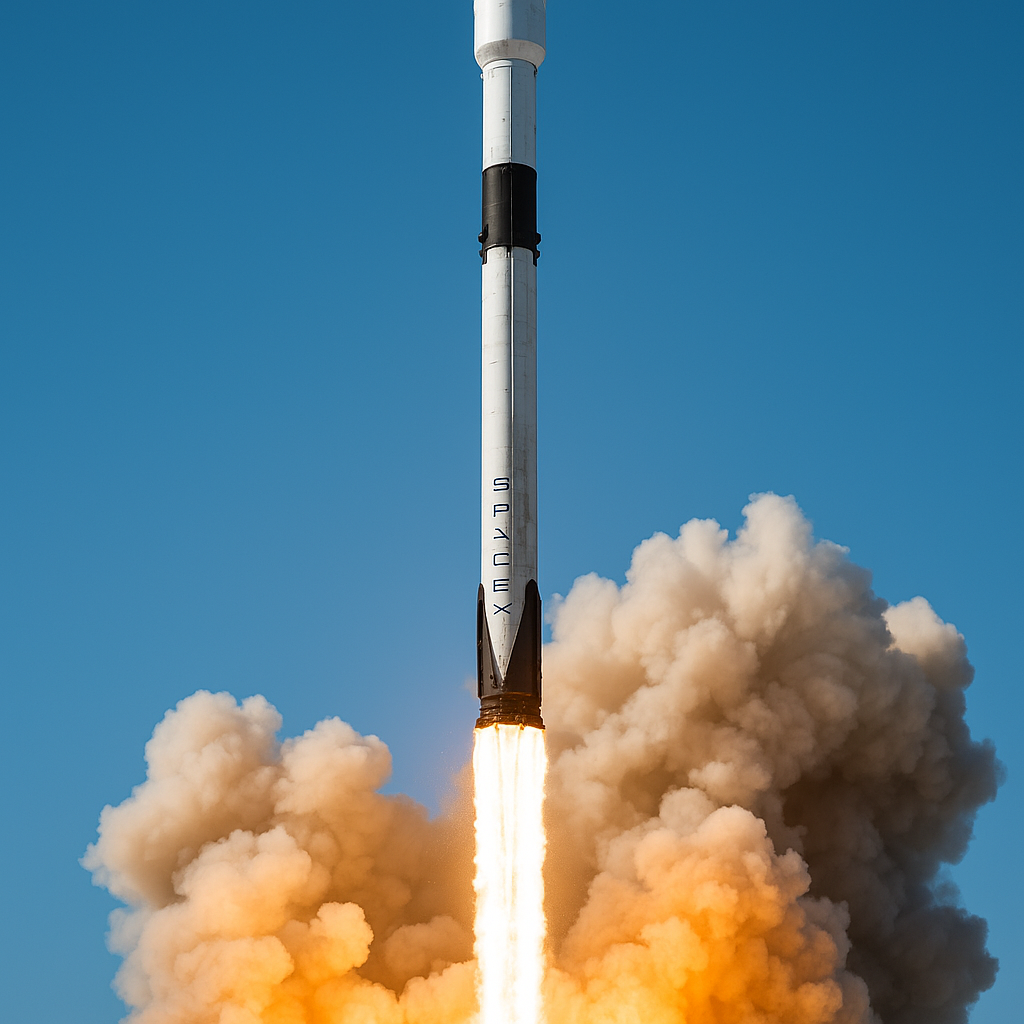
Morningstar’s Valuation Sparks Debate
Morningstar’s assessment of SpaceX sent shockwaves across the tech and investment community, positioning the company at less than half of its ambitious IPO target. According to Yahoo Finance, the $780 billion valuation stems from concerns about profitability, scalability, and competition in an increasingly crowded space industry.
Elon Musk, known for pushing boundaries in both innovation and optimism, has repeatedly pointed to the company’s long-term goals, including the colonization of Mars, international satellite coverage, and revolutionizing space transportation. These lofty ambitions underpin SpaceX’s trillion-dollar valuation, but skeptics argue they lack immediate financial grounding. “SpaceX has poured billions into projects like Starship development, which remain unproven commercially,” noted a Morningstar analyst.
The IPO Hype vs. Market Pragmatism
SpaceX’s IPO, slated for later this month, is not just a financial event—it’s a cultural milestone. Many investors have likened it to Apple’s debut in the public market or Tesla’s meteoric rise under Musk’s leadership. Yet, analysts warn that exuberance around SpaceX might outpace clear financial and operational metrics, as evidenced by Morningstar’s valuation.
Similar concerns surfaced in Techdirt’s analysis, which criticized Musk’s business acumen following his controversial acquisition of Twitter. “Valuing SpaceX at $1.75 trillion demands proof of profitability and resilience, especially in a sector replete with regulatory hurdles and competition from players like Blue Origin,” said one industry observer.

Competitive Landscape: Is SpaceX Still the Leader?
While SpaceX dominates the reusable rocket and satellite deployment market, its competitors are gaining traction. Blue Origin’s advances in private space travel, combined with increasing advancements from global entities like Rocket Lab and China’s CASC, have created a dynamic—and crowded—industry.
TheStreet recently highlighted the role of institutional investors like Blue Owl in reshaping perceptions of SpaceX’s valuation. “Private players in space tech are diversifying their bets, and the pressure is on SpaceX to justify its price tag while competitors offer cheaper alternatives,” reported TheStreet.
It’s also worth noting SpaceX’s reliance on government contracts. While the company has secured monumental agreements with NASA and the Department of Defense, analysts wonder if such partnerships can sustain its projected growth amid global uncertainties. “Regulations, politics, and budgetary issues could stymie government partnerships, which remain a large chunk of SpaceX’s revenue,” commented a strategist from Morningstar.
Investors Weigh Risks and Rewards
Despite Morningstar’s tough valuation and industry critiques, investors remain intrigued by SpaceX’s long-term narrative. “The chance to invest in a company revolutionizing space travel doesn’t come often,” said one tech enthusiast on Twitter. However, excitement isn’t universal. Many are wary of Musk’s leadership style, which has faced scrutiny following missteps at Twitter.
As SpaceX transitions to public listing, some analysts are asking whether Musk’s vision aligns with current market demands. “There’s no question that SpaceX is a brand people trust to innovate, but innovation alone doesn’t equate to financial sustainability,” warned another expert.

What Comes Next?
With the IPO drawing closer, the ecosystem around SpaceX is charged with anticipation. Investors should keep an eye on regulatory developments, competitive dynamics, and government partnerships. President Trump’s administration has consistently supported advancements in space exploration, which may bode well for the company’s lobbying efforts in Washington.
Ultimately, SpaceX’s success in public markets could serve as a benchmark for other space-tech startups aiming to disrupt the industry. But questions remain: Can SpaceX justify a trillion-dollar valuation in the face of Morningstar’s bearish appraisal? Will Musk’s visionary approach prove fiscally prudent?
For now, the narrative is still unfolding, and the world waits to see if SpaceX’s IPO launch will soar—or sputter.