The Treasury Department’s inspector general released a report on June 10, 2026, finding no evidence to support claims that the federal government’s payment systems were rife with the kind of fraud that Elon Musk and the Department of Government Efficiency (DOGE) had publicly alleged. The finding, first reported by Politico, directly contradicts assertions that served as a key justification for DOGE’s sweeping review of federal disbursements.
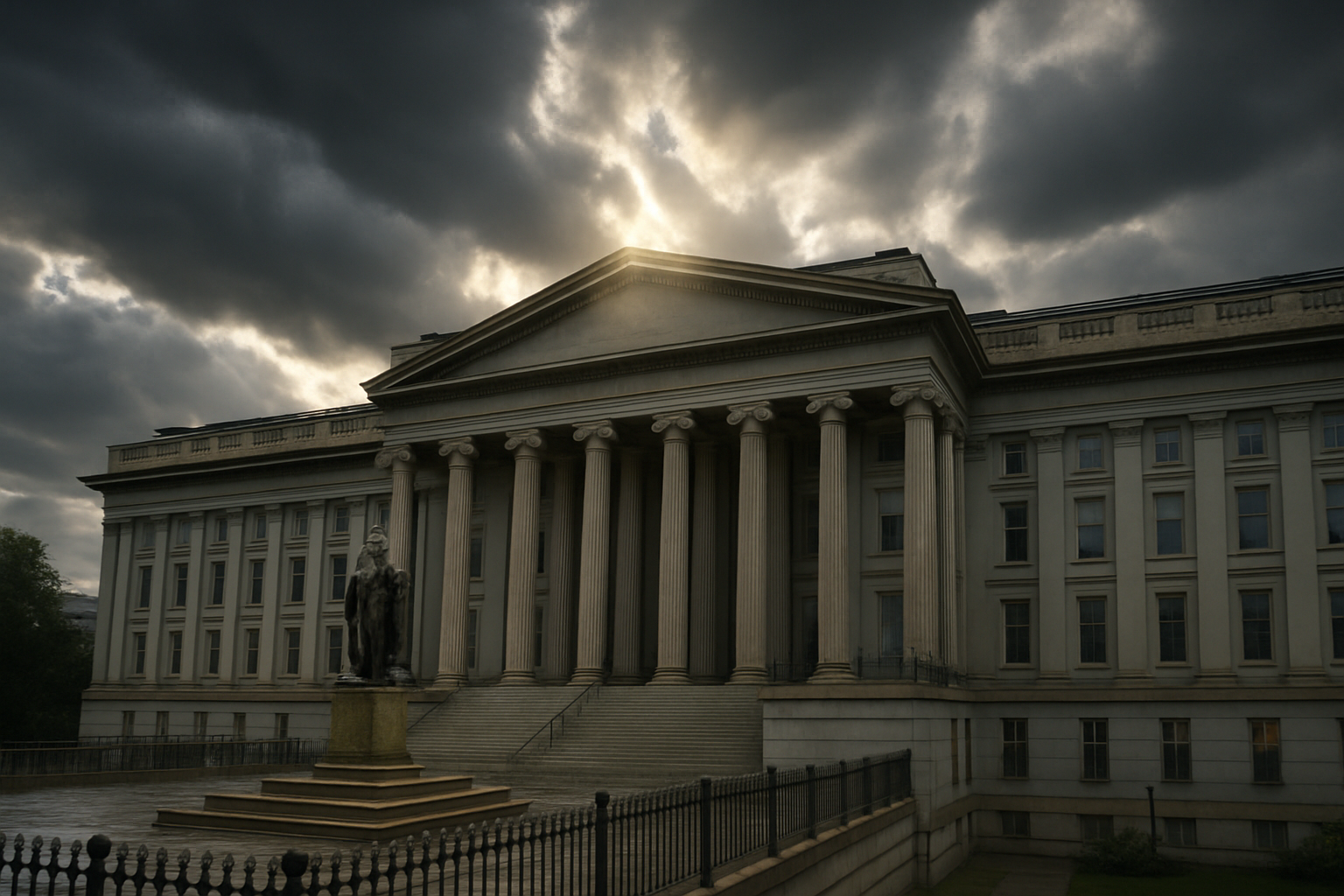
The non-obvious detail buried in the inspector general’s findings: auditors specifically examined the Treasury’s Bureau of the Fiscal Service — the clearinghouse that processes trillions of dollars in federal payments each year — and found its internal controls to be functioning as designed, with no systemic vulnerabilities enabling the large-scale fraud that had been described.
What the Treasury Watchdog Actually Found
The inspector general’s office reviewed payment data and system controls across the Bureau of the Fiscal Service. According to the report, existing safeguards were operating properly and the volume of improper payments did not validate the scale of fraud that had been claimed. The watchdog is an independent office within the Treasury Department, meaning its conclusions carry significant institutional weight and are not subject to political direction from the administration.
The report does not argue that federal payment fraud is nonexistent. Improper payments — a category that includes fraud, but also errors and overpayments — are a documented, long-standing issue across multiple federal agencies. But the inspector general found that the specific claims used to frame DOGE’s intervention at Treasury were not backed by the available data.
How Musk’s Payment Fraud Claims Were Made
Earlier in 2026, Musk made repeated public statements — on his social media platform X and in other forums — alleging that billions of dollars were flowing illegally through Treasury’s payment systems to fraudulent recipients, including claims about payments to individuals listed as over 150 years old and other anomalies. Those claims gained wide circulation and were cited as part of the rationale for DOGE personnel seeking access to Treasury payment data, which itself triggered a separate legal and political dispute earlier this year.
Several of those specific claims were subsequently walked back or found to be based on misread data by independent analysts and journalists at the time. The inspector general’s report now adds formal government oversight weight to that skepticism.
Why Government Oversight Reports Matter
Inspector general offices sit at the intersection of accountability and credibility. Their findings are used by Congress, courts, and the public to evaluate whether agency actions are grounded in fact. A Treasury watchdog fraud report of this kind — concluding that the evidentiary basis for a major policy push was absent — is the sort of document that surfaces in congressional hearings and legal proceedings.
The findings are especially significant because access to Treasury’s payment infrastructure was one of DOGE’s most contested early moves. A federal judge temporarily blocked some of that access earlier in 2026 amid concerns about data privacy and legal authority. The inspector general’s report adds a new dimension: not only was the legal basis questioned, but the factual premise underlying it has now been formally disputed by the government’s own watchdog.
For context on how federal agencies are navigating budget and oversight pressures this year, see our earlier coverage of Social Security Administration wait times and its ongoing operational challenges.
What Comes Next
The inspector general’s report is likely to fuel further congressional scrutiny. Democratic members of oversight committees had already requested investigations into DOGE’s access to sensitive federal data. Republican committee chairs have largely declined to hold formal hearings on the matter, though some have privately expressed interest in the inspector general process as the appropriate venue — which has now produced a finding they will need to address.
DOGE has not issued a formal public response to the report as of publication time. Musk has not posted a direct rebuttal on X. The Bureau of the Fiscal Service declined to comment beyond confirming the report’s release.
The broader debate over federal spending priorities and government efficiency is unlikely to cool down. But this inspector general finding gives oversight advocates a concrete, sourced document to point to — one that shifts the burden of proof back onto those who made the original fraud allegations. The next move belongs to Congress.