Social Security Administration commissioner Frank Bisignano told the Associated Press that conditions at the agency are measurably improving after a prolonged stretch of long wait times that left millions of beneficiaries frustrated. Bisignano, who took the helm of the SSA earlier in 2026, made the remarks in a direct interview — one of his most expansive public statements since assuming the role.
The non-obvious detail worth knowing: Bisignano is a payments-industry veteran, best known for leading the fintech giant Fiserv — not a career government administrator. His appointment was a deliberate bet that a private-sector operator could modernize a notoriously slow federal bureaucracy.
What Went Wrong With SSA Wait Times
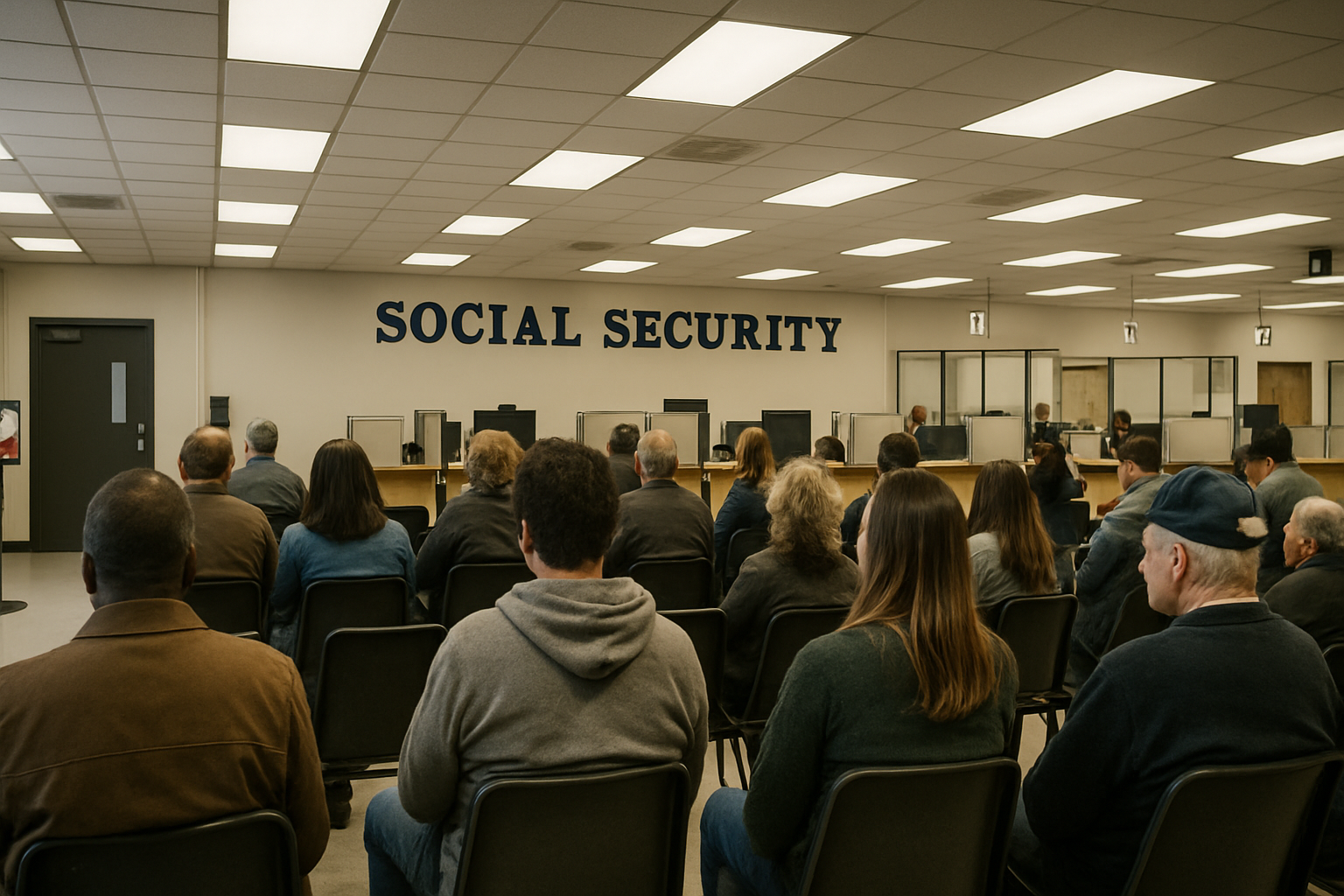
The Social Security Administration has been under intense pressure for the past year. Phone hold times ballooned to well over an hour on average, field offices in major cities routinely saw in-person waits stretch past three hours, and a backlog of disability benefit reviews piled up. Advocacy groups representing seniors and people with disabilities grew increasingly vocal, and congressional offices reported a surge in constituent complaints about delayed checks and unresolved claims.
Staffing cuts and an outdated IT infrastructure were widely cited as the twin culprits. The agency has relied on legacy software systems — some dating back decades — that slow down even routine transactions like address changes and direct-deposit updates. Budget constraints compounded the problem, leaving field offices understaffed at peak demand periods.
Frank Bisignano Says the Numbers Are Turning Around
Bisignano told the AP that key service metrics have begun to move in the right direction under his leadership. He pointed to reductions in average phone wait times and faster processing of initial benefit applications, though he acknowledged the agency still has significant ground to recover.
His approach leans heavily on the operational playbook he used in the private sector: tighter performance tracking, clearer accountability for managers, and accelerated technology upgrades. He has reportedly pushed agency leadership to publish internal metrics more regularly — a notable shift toward transparency for an organization that has historically kept performance data close to the chest.
For the roughly 70 million Americans who receive Social Security benefits — including retirees, survivors, and people with disabilities — any improvement in SSA wait times is directly felt in daily life. A delayed answer from the agency can mean a missed rent payment or a lapse in health coverage for someone living on a fixed income.
Technology Is the Long-Term Fix
Bisignano has been candid that staffing alone cannot solve the SSA’s structural problems. The agency needs modern software to automate repetitive tasks, free up human agents for complex cases, and reduce errors that create downstream delays. He has signaled that technology investment is the agency’s top priority over the next 18 months.
That echoes a broader conversation happening across the federal government about IT modernization. The SSA processes hundreds of millions of transactions each year — payroll records, earnings histories, benefit calculations — and even small efficiency gains at that scale translate into faster service for millions of people.
Critics, including some disability-rights advocates, say the improvement claims need to be backed by publicly released data before the agency declares victory. They want the SSA to commit to publishing monthly performance dashboards that track phone wait times, application processing times, and hearing backlogs for disability appeals.
What Comes Next for Beneficiaries
Bisignano did not offer a specific timeline for when SSA wait times would return to pre-crisis levels, but he expressed confidence that the trajectory is positive. The agency is expected to roll out updated self-service tools on SSA.gov later this year that could divert a significant share of routine calls away from phone lines.
In the meantime, the SSA recommends that beneficiaries use its my Social Security online account portal for tasks like checking benefit amounts, updating banking information, and requesting replacement cards — all of which skip the phone queue entirely.
For those who do need to visit a field office, scheduling an appointment online rather than walking in continues to cut wait times substantially, according to the agency. Bisignano’s broader reform push will be judged by whether those improvements hold — and whether the agency can clear its backlog before the next wave of Baby Boomer retirements adds fresh demand to the system.
The story of whether a fintech executive can truly overhaul one of the federal government’s most complex agencies is still being written. But for millions of Americans who depend on Social Security benefits, the next few months will be the real test. For more on how large institutions are being pushed to modernize under public pressure, see our coverage of Utah residents suing over a major infrastructure plan and the labor pressure building at LA World Cup venues ahead of this summer’s tournament.