Beef prices are rising sharply across the United States, and the root cause is stark: the American cattle herd has shrunk to its smallest size in 75 years, according to reporting by KCAU9. The combination of prolonged drought, surging feed costs, and years of herd liquidation has pushed the national cattle population to a level not seen since the late 1940s — meaning the supply crunch has no quick fix on the horizon.
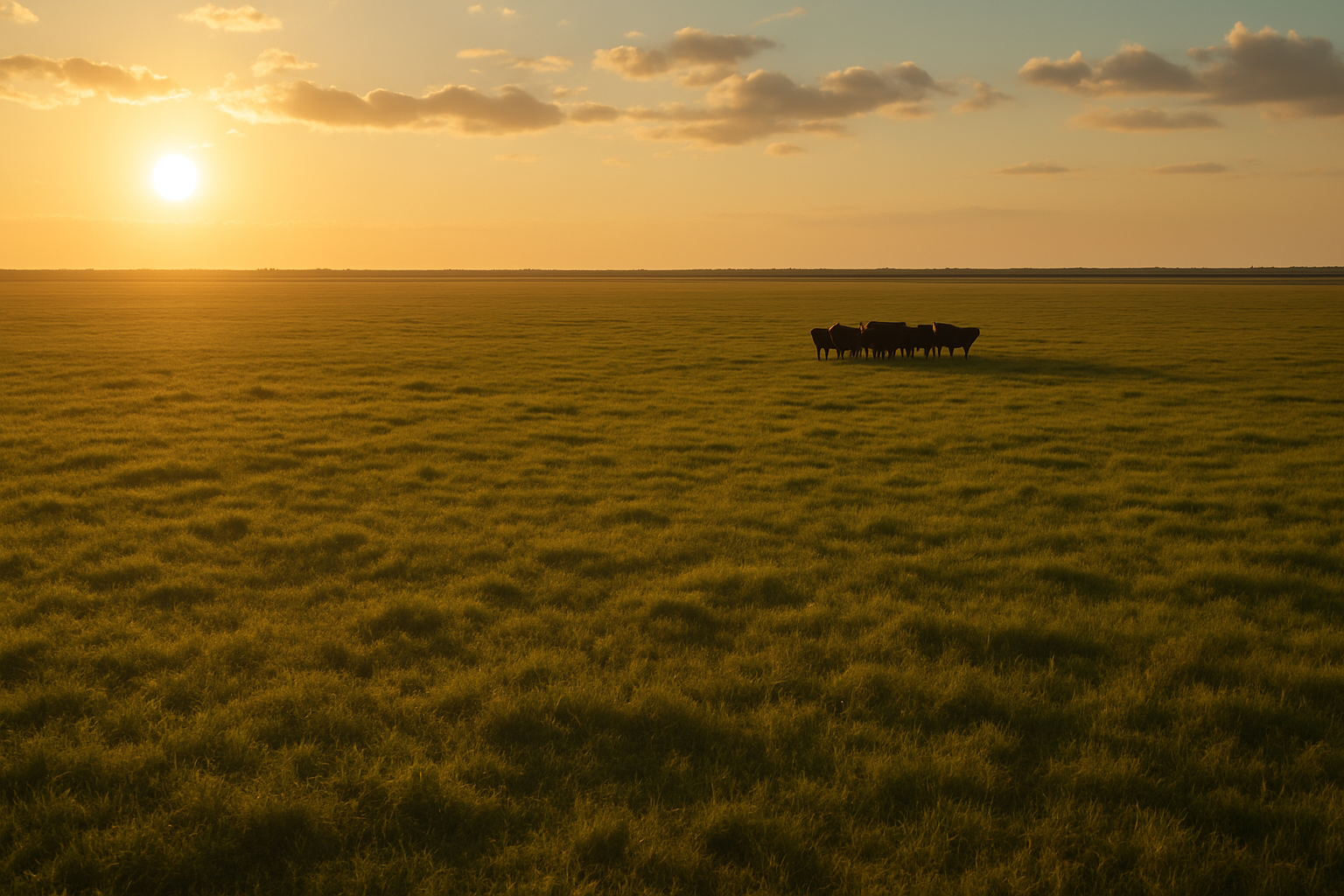
The non-obvious detail most shoppers don’t realize: rebuilding a cattle herd takes years, not months. A rancher who sells off cows today cannot simply restock next season. Breeding cycles mean meaningful herd recovery is at least two to four years away, even if conditions improve immediately. That lag is what makes this shortage structurally different from a temporary supply-chain disruption.
Why the U.S. Cattle Herd Fell So Far So Fast
Drought has been the single biggest driver. Prolonged dry conditions across Texas, Oklahoma, and the Southern Plains — historically the heart of American cattle country — decimated pasture land and sent the cost of hay and supplemental feed skyrocketing. Ranchers who could no longer afford to feed their herds sold animals at an accelerated pace, flooding the market with beef in the short term while gutting the long-term supply base.
Higher input costs compounded the problem. Fuel, fertilizer, and labor expenses all climbed in recent years, squeezing the margins of operations that were already weather-stressed. Smaller family ranches, which make up a large share of U.S. beef production, were hit hardest. Many chose to exit the business entirely rather than weather another difficult cycle.
The result: the U.S. cattle herd now sits at its lowest count since roughly 1951. That year, the country had a far smaller population and consumed far less beef per capita. Today’s depleted herd must serve a much larger, beef-hungry nation.
What Beef Prices Are Doing at the Grocery Store
Shoppers are feeling the squeeze in real time. Ground beef, ribeyes, and brisket have all seen significant price increases at major grocery chains nationwide. Beef supply constraints are pushing retailers to pass costs along, and there is little competitive pressure to hold prices down when every store faces the same shortage.
The timing is particularly painful. Food inflation has already strained household budgets over the past few years, and beef prices rising on top of that adds another layer of pressure for families who rely on ground beef as a weeknight staple. Barbecue season in summer 2026 is arriving with consumers staring at sticker shock at the butcher counter.
Restaurants are adapting too. Some chains and independent eateries have quietly shrunk portion sizes or shifted menu emphasis toward chicken and pork — proteins whose supply chains are not facing the same structural shortage.
How This Compares to Broader Economic Pressures
The cattle shortage doesn’t exist in a vacuum. It lands at a moment when American consumers are already navigating a complex economic environment. Markets have been volatile — the Dow recently fell 500 points following uncertainty around Federal Reserve policy — and wage growth has not uniformly kept pace with rising living costs across the board.
Worker advocacy groups and budget analysts note that rising grocery costs hit lower-income households hardest, since food represents a larger share of their total spending. The beef supply crunch is, in that sense, a regressive economic pressure.
Separately, debates around minimum wage levels in several states have intersected with cost-of-living concerns — though economists disagree on how directly wage policy links to grocery price relief.
Is There Any Relief in Sight for Beef Supply?
The short answer is: not soon. USDA analysts have repeatedly noted that cattle inventory rebuilding is a multi-year process. For herd numbers to recover meaningfully, ranchers need sustained rainfall to restore pasture land, affordable feed prices, and enough financial confidence to invest in breeding stock rather than selling it.
Some ranchers are cautiously optimistic about improved precipitation patterns in parts of the Plains in 2026, but weather forecasts remain uncertain. Even a perfect growing season this year would take until 2028 or 2029 to translate into meaningfully more beef at the grocery store.
Imports can offset some domestic shortfall. The U.S. does import beef from Australia, Canada, and Brazil, and trade volumes have ticked upward as processors look to fill gaps. However, imported beef typically fills ground beef demand more than premium cuts, so shoppers looking for steaks will continue to see elevated prices regardless.
What You Can Do Right Now
- Buy in bulk when prices dip. Warehouse clubs and sales events can still yield savings. Stock your freezer during promotional windows.
- Embrace alternative cuts. Chuck roast, flat iron, and hanger steak offer strong flavor at lower prices than trendy cuts like ribeye.
- Diversify proteins. Chicken thighs, pork shoulder, and canned fish are all nutrient-dense and far cheaper per pound right now.
- Shop local when possible. Direct-from-ranch beef shares or community-supported agriculture (CSA) programs can sometimes beat retail pricing for bulk orders.
The cattle herd shortage is a slow-moving crisis that took years to develop and will take years to unwind. Beef prices rising is not a blip — it reflects a genuine supply deficit that neither ranchers nor retailers can resolve quickly. Consumers who plan ahead and stay flexible with their protein choices will be best positioned to manage the squeeze until herds recover.