A series of powerful storms struck the Effingham area Wednesday night, leaving behind significant damage across the region, according to The X Radio, a local Effingham news outlet that first reported the event. The storms moved through the area in rapid succession, compounding the destruction and stretching local emergency response resources.
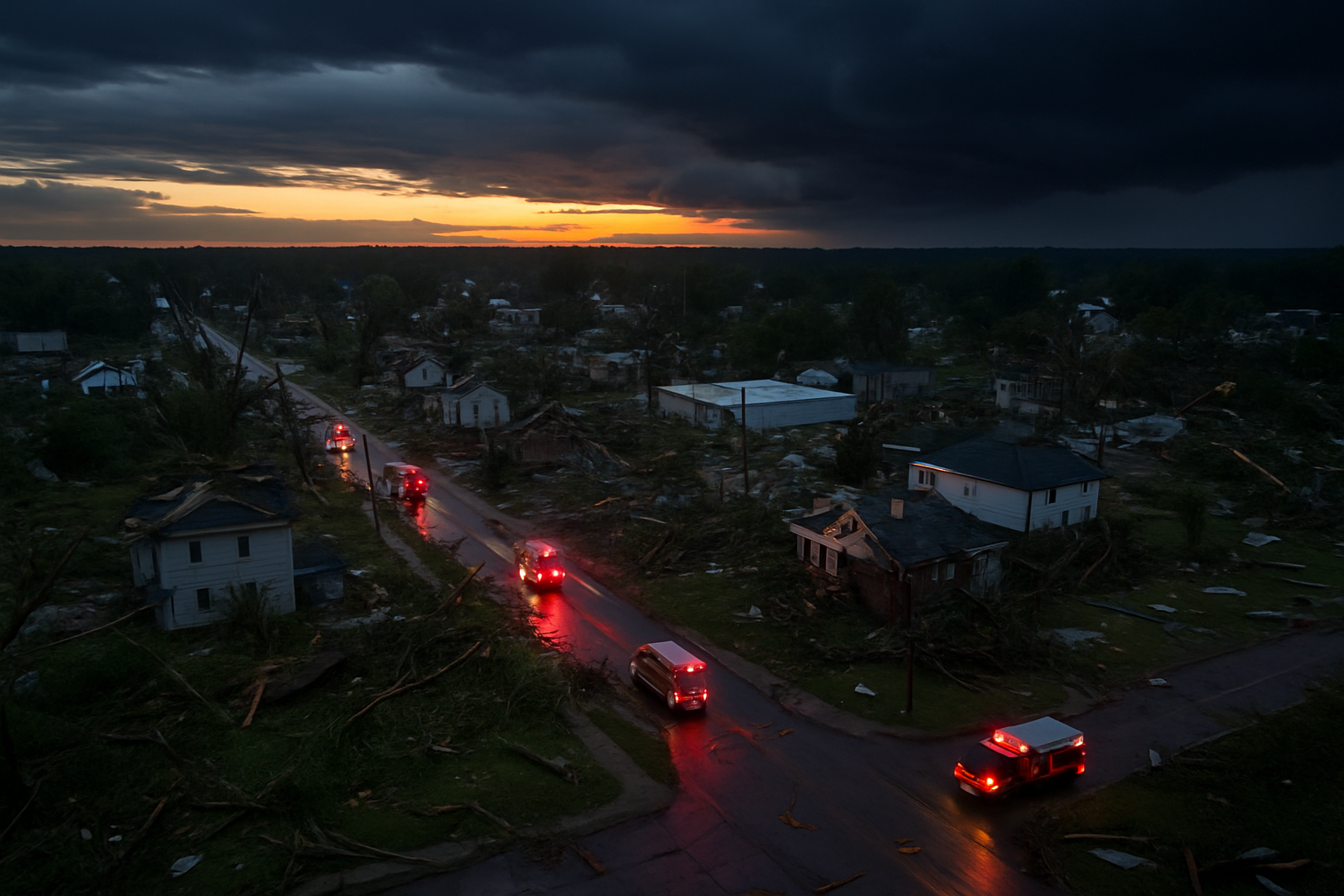
One detail that stands out beyond the headline: the damage was not caused by a single storm cell, but by a series of systems rolling through the region back to back — a pattern that gives affected communities far less time to assess and respond between hits.
What the Effingham Area Storms Left Behind
Effingham County, located in south-central Illinois, bore the brunt of the damage Wednesday night. Reports from the scene described downed trees, structural damage to buildings, and widespread power outages affecting neighborhoods across the area. The stacked nature of the storm system meant that residents who might have begun cleanup or checked on neighbors after the first wave were caught again by subsequent cells.
Severe weather in this part of Illinois is not unusual during June, but the back-to-back intensity of Wednesday’s system made it stand apart from a typical summer storm. Emergency crews from Effingham County were deployed throughout the night to respond to reports of damage and assist residents in need.
Power Outages and Infrastructure Impact
Among the most immediate concerns following the storm damage was the loss of electrical service to parts of Effingham and surrounding communities. Utility crews worked through the night and into Thursday morning to assess downed lines and begin restoration efforts. Residents were urged to avoid downed power lines and treat them as live until crews confirmed otherwise.
Road closures were also reported as a result of fallen trees and debris blocking key routes in and around the area. Local authorities asked drivers to avoid non-essential travel in affected zones to keep roads clear for emergency and utility vehicles.
Severe Weather Safety: What to Do After a Storm Series
A succession of storm cells — rather than one isolated event — creates unique risks for residents. Here’s what emergency management experts consistently recommend in the aftermath of severe weather like the Effingham area storms:
- Stay inside until official all-clear is given. A break between storm cells can feel like the end of the event, but it often isn’t.
- Never touch downed power lines. Assume every downed line carries a live charge.
- Document damage immediately. Photos and video taken right after a storm are critical for insurance claims.
- Check on elderly or vulnerable neighbors. Power outages in summer heat can become dangerous within hours.
- Use generators safely. Carbon monoxide from generators kills dozens of Americans every year after storms — always run them outside and away from windows.
For broader preparedness guidance, the Ready.gov severe weather resource outlines step-by-step plans for both sheltering in place and post-storm recovery.
Storm Recovery and What Comes Next
Local officials in Effingham County were expected to conduct full damage assessments beginning Thursday. Depending on the scale of destruction confirmed, county leaders could pursue state or federal disaster assistance declarations to unlock additional recovery funding for affected residents and businesses.
The storm damage in Effingham comes during an already active severe weather period across the central United States. Texas, for instance, has been dealing with its own weather threats — Tropical Cyclone One is threatening the Texas coast with heavy rain this week, a sign of how widespread dangerous weather patterns are becoming across the country in mid-June 2026.
Residents in Effingham County with storm damage to report were directed to contact local emergency management offices and their insurance providers as quickly as possible. The faster damage is documented and reported, the sooner financial recovery can begin.
The X Radio, which serves the Effingham community, continues to update its coverage as more information becomes available from local officials and emergency crews on the ground. Follow their reporting for the latest confirmed details on road closures, utility restoration timelines, and community assistance programs being stood up in the area.