A satirical piece from The Onion went viral on r/movies this week, skewering a very specific kind of movie-goer smugness: the self-congratulation of watching what you believe is an “original” film — only to discover it was adapted from a novel all along. The joke landed because, for a huge chunk of the audience, it isn’t entirely a joke.
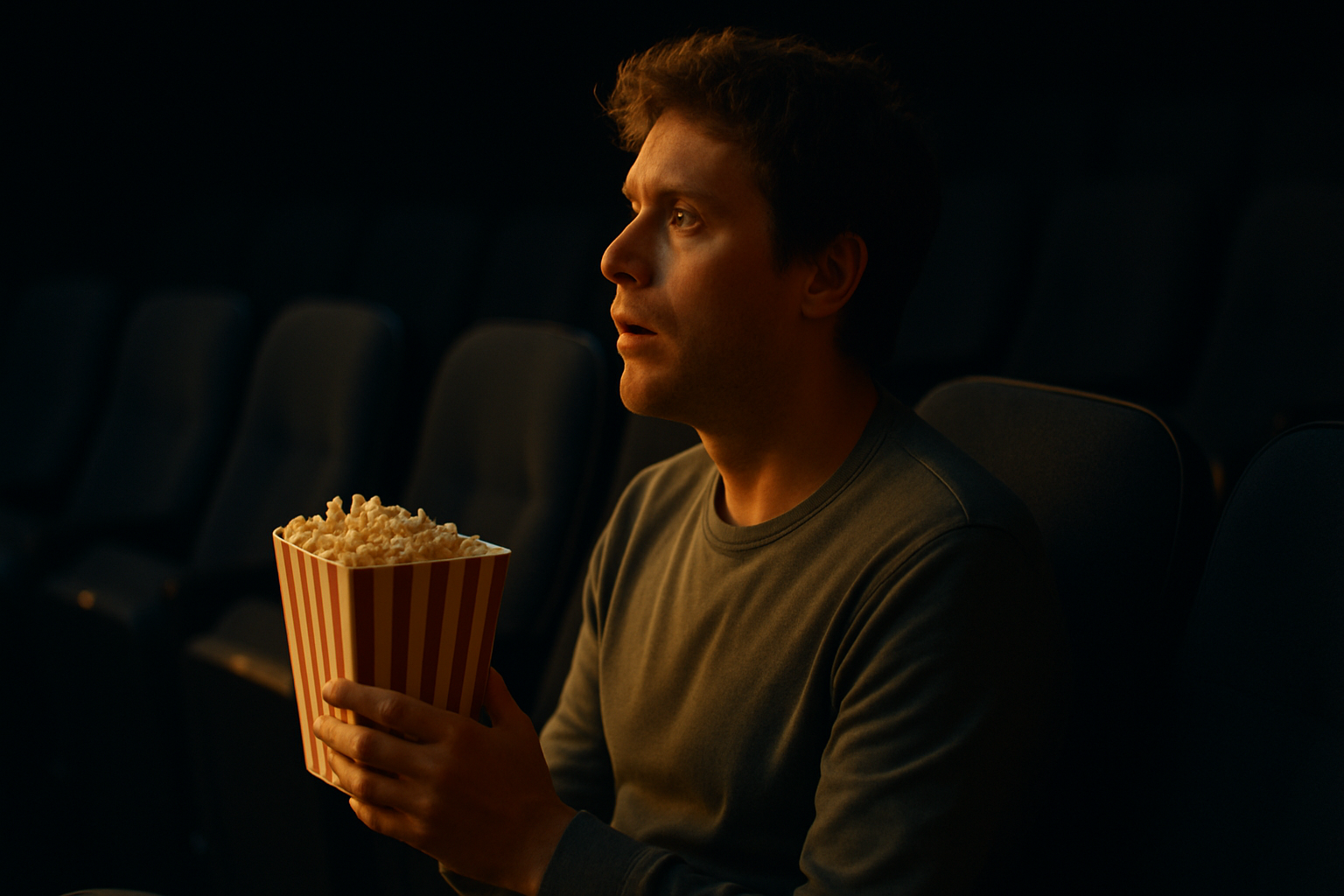
The piece describes the U.S. populace patting itself on the back for supporting fresh, non-franchise cinema, then being “devastated” to learn the film was based on a same-titled book. It’s a clean satirical setup, but it points at something the film industry has quietly normalized: the blurring of the line between original movies vs adaptations.
The Line Between “Original” and “Adapted” Is Blurrier Than You Think
Here’s the non-obvious detail most casual viewers miss: under Academy Awards rules, a film counts as an “original screenplay” only if the story was conceived directly for the screen. The moment a writer draws from a pre-existing novel, short story, podcast, article, or even a tweet thread, it becomes an adaptation — regardless of how unfamiliar the source material is to mainstream audiences.
That means a movie can feel completely fresh to 99% of its audience while still competing in the Adapted Screenplay category at the Oscars. The “originality” of a film, in practice, is often just a measure of how obscure its source material is.
This matters because audiences increasingly use “it’s an original” as a quality signal — a shorthand for creative risk-taking versus franchise cash-grabs. Studios know this, and their marketing teams are careful about how loudly they advertise a literary source when the book isn’t a household name.
Hollywood’s Original Screenplay Problem Is Real
The r/movies thread struck a nerve because the frustration behind the satire is well-documented. Film industry data has consistently shown that Hollywood sequels, remakes, and IP-based films dominate box-office charts. Truly original screenplays — stories conceived from scratch with no prior published source — have become rarer at the studio level over the past decade.
Streaming platforms muddied the waters further. Services like Netflix and Apple TV+ aggressively market their content as “originals,” a label that technically means “produced exclusively for this platform” — not “written from a brand-new idea.” Many of those streaming originals are adaptations of novels, graphic novels, or foreign-language series. The word “original” in that context is a distribution term, not a creative one.
That linguistic sleight of hand is exactly what The Onion is poking at. Audiences want to feel like they’re supporting something genuinely new. Studios want to give them that feeling. The result is a marketing ecosystem where “original” has been stretched to mean almost nothing.
Why This Matters for Viewers — and Writers
The stakes aren’t trivial. When audiences believe they’re rewarding original filmmaking, they’re sending a market signal. If that signal is based on a misunderstanding, studios learn the wrong lesson: that audiences don’t actually need new ideas, they just need to feel like they’re getting them.
For screenwriters, the gap is even more consequential. Original screenplays are among the hardest pitches to get greenlit at a major studio. A script with no recognizable IP behind it faces steep odds. Several working writers have noted publicly that attaching even a modestly successful novel to a screenplay concept dramatically increases the chances of a green light — which accelerates the cycle the satire is mocking.
This doesn’t mean book adaptations are lesser films. Some of the most celebrated movies ever made — from The Godfather to No Country for Old Men — came from novels. Adaptation, done well, is its own art form. The issue isn’t adaptation itself; it’s the audience’s conflation of “unfamiliar to me” with “original.”
How to Actually Tell What You’re Watching
A few quick checks before your next movie night:
- Check the screenplay credit. “Written by” usually signals an original script. “Based on the novel by” or “Adapted from” signals otherwise.
- Look up the Oscar category. If a film is submitted under Adapted Screenplay, a source exists — even if you’ve never heard of it.
- Search the title with “book.” Many films quietly share a title with their source novel, exactly as The Onion’s satire describes.
None of this should change how much you enjoy a movie. But it does reframe the cultural conversation around Hollywood’s supposed creativity crisis. The industry may not be as barren of original ideas as the discourse suggests — or it may be worse, depending on how strictly you define the term.
The Onion’s piece is satire, but the r/movies crowd recognized something true in it. As the debate over Hollywood sequels and franchise fatigue continues into 2026, the question of what “original” even means deserves a clearer answer — from studios, from streaming platforms, and from audiences willing to look it up before the credits roll.
For more on how entertainment intersects with shifting public trust, see our coverage of how manufactured audiences shape public perception — a dynamic that isn’t limited to politics.