Montreal Mayor Valérie Plante revealed publicly this month that her husband — who is Black — was stopped by police at least five or six times last year alone, “for nothing.” She made the disclosure during debate over a proposed public inquiry into systemic racism in Quebec, speaking directly to the lived experience her family faces despite her position as the city’s top elected official. The CBC first reported her remarks in full.
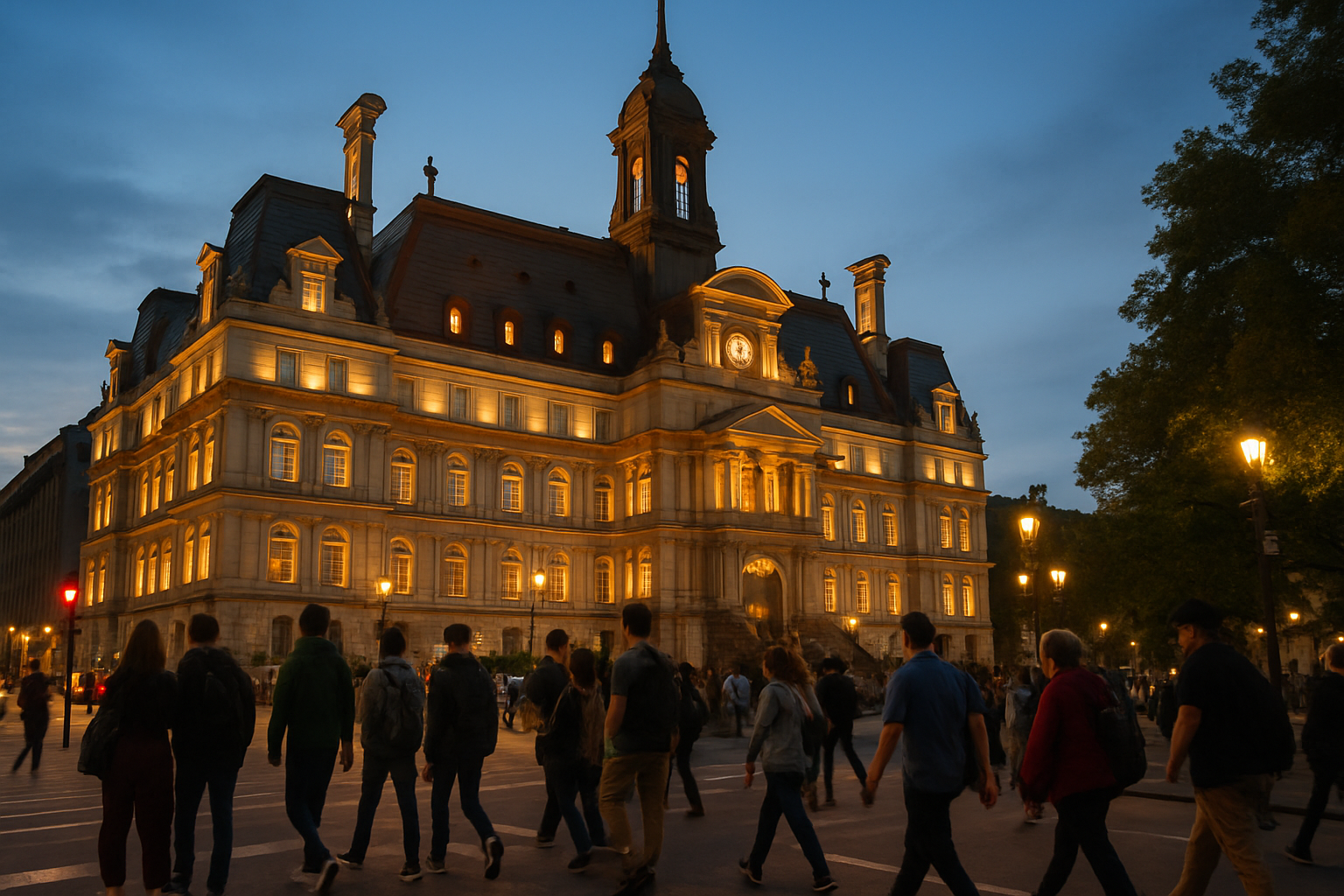
The non-obvious detail buried beneath the headline: Plante’s husband’s repeated stops happened while she was sitting mayor of Montreal — one of the most prominent politicians in the province. The fact that proximity to power offered no protection underscores the breadth of the problem advocates have long described.
What Plante Actually Said
Plante told reporters and legislators that the encounters were unprompted and without cause. “At least five or six times — for nothing,” she said, describing stops her husband experienced over the course of a single year. She framed the disclosure as personal testimony, not just policy argument, making clear that racial profiling by police is not an abstract issue for her household.
The mayor has been among the voices pushing Quebec Premier François Legault to launch a formal public inquiry into racism and discrimination. Legault’s government has resisted that call, instead favoring targeted consultations. Plante’s personal account raises the political temperature on that standoff considerably.
The Push for a Public Inquiry Into Racism
The debate over a public inquiry into racism in Quebec has stretched across multiple years and governments. Advocates, community organizations, and opposition politicians argue that a formal, binding inquiry is the only mechanism with enough legal teeth to compel testimony, review police data, and produce enforceable recommendations.
Legault’s coalition government has consistently stopped short of ordering one. Critics say that resistance protects institutions from scrutiny. Supporters of the government’s approach argue that targeted programs deliver faster, more practical results than lengthy public hearings.
Plante’s disclosure shifts the debate from statistics to personal testimony at the highest civic level. When a sitting mayor describes her own family being subjected to repeated, unjustified police stops, it is harder for officials to characterize racial profiling as an isolated or exaggerated complaint.
Police Stops of Black Men: A Documented Pattern
Montreal’s own data has previously shown that Black and Indigenous residents are stopped by police at disproportionately higher rates than white residents. A 2019 city-commissioned report found that Black people in certain Montreal boroughs were between four and five times more likely to be stopped than white people in the same areas. That research predates Plante’s current disclosures but provides documented context for what her husband reportedly experienced.
Across Canada, United Nations committees on racial discrimination have repeatedly flagged racial profiling in Canadian policing as a structural concern requiring systemic remedy — not just individual discipline.
Why Quebec Accountability Matters Beyond the Province
Quebec is not unique in this debate. Major cities across North America have wrestled with how to measure, document, and reduce discriminatory police stops. What makes the Montreal situation distinctive in 2026 is the seniority of the person speaking out. Mayors rarely expose family members to public scrutiny. That Plante chose to do so signals how seriously she views the stakes of the inquiry debate.
Community groups in Montreal have called her disclosure courageous and are using it to amplify renewed demands for Premier Legault to act. For Black Montrealers who have raised these concerns for years without a platform, having the mayor’s personal experience validate their accounts carries real weight.
The conversation also connects to broader questions about how institutions protect — or fail to protect — residents from discriminatory treatment. Issues of government accountability and public trust in institutions are concerns shared well beyond Canada’s borders, as seen in ongoing public safety debates in U.S. cities and elsewhere.
What Comes Next
All eyes are now on Premier Legault’s response. His government faces mounting pressure from municipal leaders, civil society groups, and opposition parties to either commit to a public inquiry or explain in concrete terms why existing measures are sufficient. Plante has not indicated she will stop pressing the issue.
For advocates who have documented racial profiling in Quebec for decades, the mayor’s testimony is a rare moment of institutional visibility — and they intend to keep it front and center in the provincial conversation. Whether it moves Legault from consultation to inquiry is the question that will define the next chapter of this debate.