Ukraine’s diplomatic delegation delivered a blunt warning to Russia at the United Nations on June 24, 2026: withdraw from Ukrainian territory before it is too late. The statement, reported by the Kyiv Post, came during a UN session and marked one of Kyiv’s most pointed public ultimatums to Moscow on an international stage this year.
The non-obvious detail buried beneath the headline: Ukrainian officials framed the warning not merely as a diplomatic appeal but as a strategic signal — implying that the military and geopolitical costs for Russia will escalate sharply the longer its forces remain on Ukrainian soil.
What Ukraine Said at the UN
Ukrainian representatives addressed the UN body directly, telling Russia that the window to exit occupied Ukrainian lands is narrowing. The message was unambiguous: continued occupation will not become a frozen status quo, and Kyiv will not negotiate away its sovereign territory.
The Ukraine Russia UN confrontation underscored a shift in Kyiv’s diplomatic posture. Rather than appealing for sympathy, Ukrainian officials are now speaking the language of consequence — warning that the longer Russian forces dig in, the harder and costlier their eventual departure will be.
This approach aligns with statements President Volodymyr Zelenskyy has made in recent months. As NarwhalTV reported, Zelenskyy has emphasized that Ukraine is returning the war to Russian territory, a posture designed to pressure Moscow both militarily and politically.
Why This UN Moment Matters
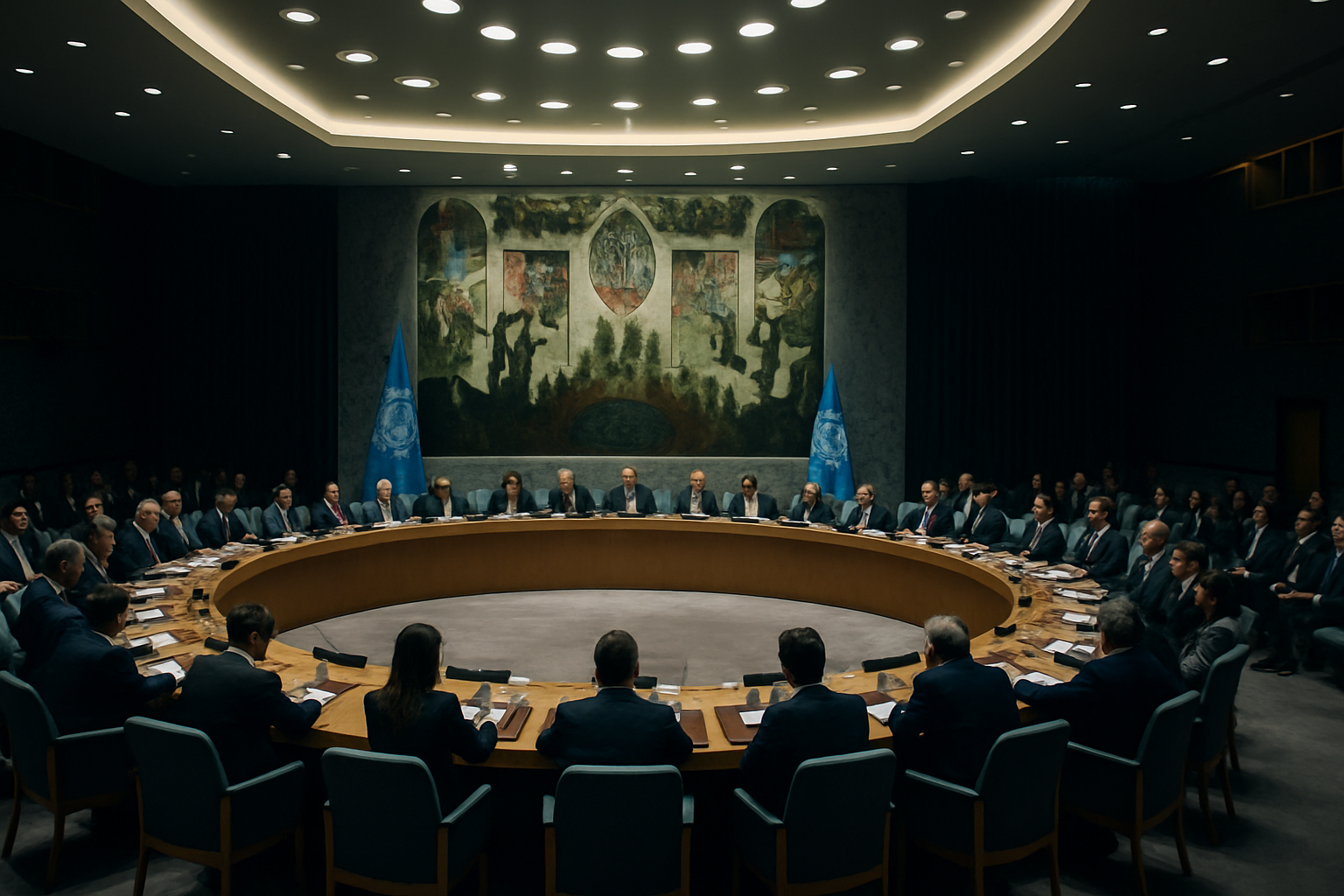
Ukraine’s choice of the United Nations as the venue for this warning carries deliberate weight. The UN Security Council is the world’s most visible diplomatic arena, and statements made there are on the record for every member state. By issuing the “get out” ultimatum publicly, Kyiv is doing two things at once: maintaining legal pressure on Russia under international law, and signaling to allies that Ukraine has no intention of softening its terms.
Russia holds a permanent seat — and veto power — on the UN Security Council, which has repeatedly paralyzed formal resolutions condemning the invasion. That structural reality makes Ukraine’s direct verbal confrontation in that chamber all the more striking: Kyiv is using the forum Russia can block as a megaphone, not a negotiating table.
The Occupied Territories Question
At the heart of the Ukraine Russia UN standoff is the question of occupied territories — Crimea, Luhansk, Donetsk, Zaporizhzhia, and Kherson regions, all of which Russia has claimed to annex in moves universally rejected by the United Nations General Assembly. Ukraine’s position remains that any peace framework must include full Russian withdrawal from all these areas.
That stance puts Kyiv at odds not only with Moscow but also with some international actors quietly pushing for a negotiated freeze along current front lines. Ukrainian sovereignty, Kyiv insists, is non-negotiable — a principle backed by the UN Charter and reaffirmed by successive General Assembly votes condemning Russia’s annexation claims.
- Crimea — occupied since 2014, annexed by Russia in a move rejected internationally
- Donetsk & Luhansk — partly occupied since 2014, fully claimed by Russia since 2022
- Zaporizhzhia & Kherson — partially occupied, annexed by Russia in September 2022
Russia’s Position and the Diplomatic Deadlock
Russia has shown no public sign of willingness to withdraw from any occupied Ukrainian land. Moscow continues to insist that the annexed regions are Russian territory — a position that has no standing under the UN Charter, which prohibits the acquisition of territory by force.
The diplomatic deadlock at the UN is not new, but the sharpness of Ukraine’s June 2026 warning reflects a changed battlefield and political landscape. With continued Western military support and Ukrainian forces conducting long-range strikes inside Russian territory, Kyiv is negotiating — if that word even applies — from a position it considers increasingly strong.
International Backdrop
The warning lands at a moment of significant global diplomatic activity. Europe is grappling with multiple simultaneous pressures, from economic strain to the record heatwave gripping the continent in June 2026. Yet support for Ukraine among EU and NATO members has remained firm, with military and financial aid continuing to flow to Kyiv.
G7 nations have also reiterated backing for Ukraine’s territorial integrity, keeping diplomatic and economic pressure on Russia through sustained sanctions. That international coalition is precisely the leverage Ukraine is invoking when it tells Russia, at the UN and before the world, that the clock is running out.
What Happens Next
Ukraine’s “get out” ultimatum is unlikely to prompt an immediate Russian response — Moscow rarely reacts to UN floor statements with policy shifts. But the warning sets a clear public marker. If Russia remains in place and fighting intensifies, Kyiv has established, on the record, that it gave notice.
Watch for follow-up statements from Ukrainian Foreign Ministry officials and any reaction from Russia’s UN Ambassador in the days ahead. The language Kyiv used — urgent, deadline-tinged, consequence-driven — suggests this is the opening of a broader diplomatic offensive, not a one-off speech.