A significant round of severe weather is targeting the New York City area this Monday, with forecasters warning of an isolated tornado risk, damaging winds, and flash flooding across the tri-state region, according to NBC New York. The threat spans the five boroughs as well as parts of New Jersey, Connecticut, and Long Island.
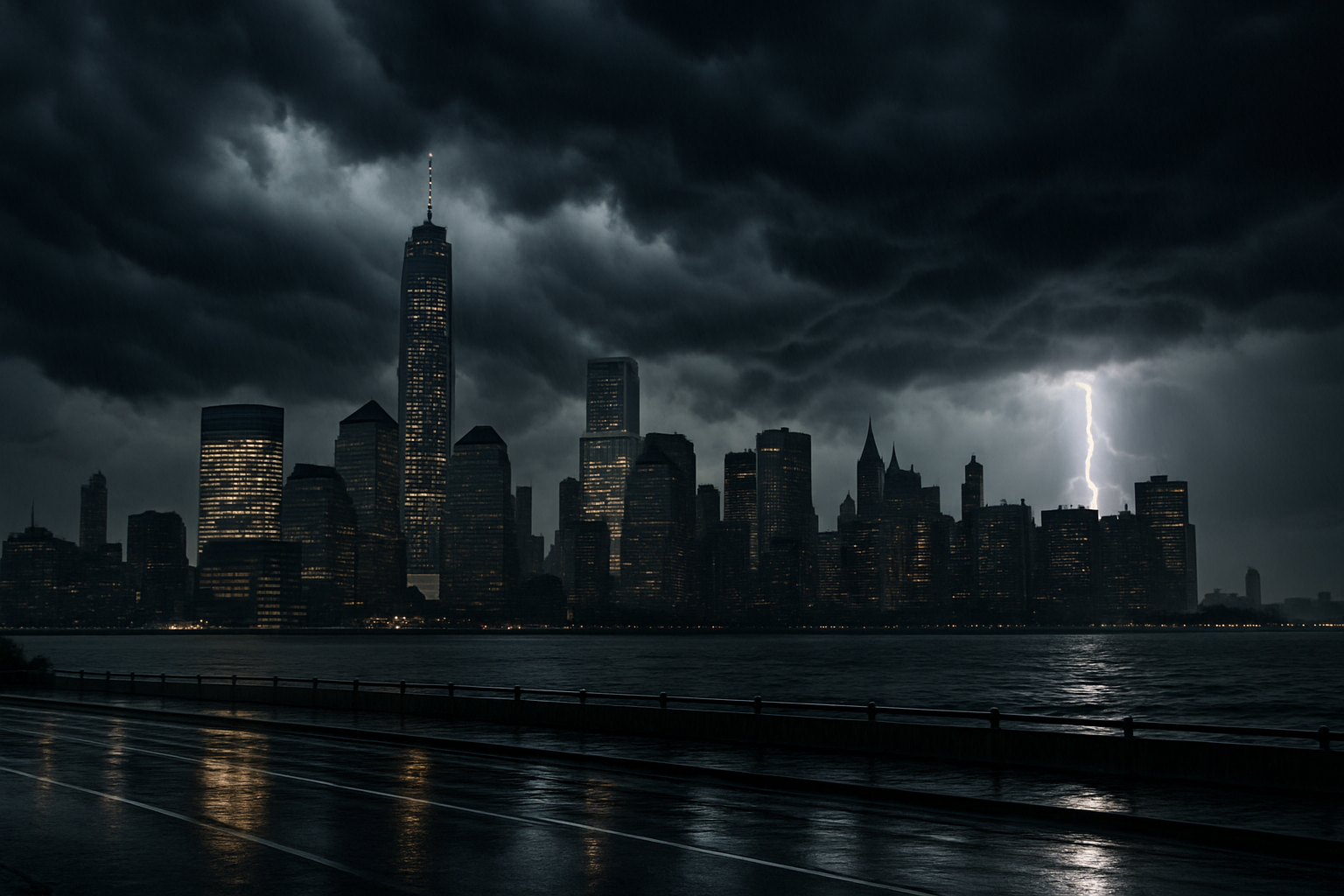
One detail that stands out beyond the headline: the tornado threat is not confined to open, rural land. Forecasters say the conditions could produce brief, spin-up tornadoes even within densely urbanized sections of the metro area — a scenario that makes standard shelter advice critical for apartment and high-rise dwellers who may assume they are insulated from such risks.
NYC Storm Alert: What the Forecast Actually Says
The storm system is expected to push through the region during the afternoon and early evening hours Monday. Meteorologists are tracking a line of thunderstorms capable of producing wind gusts exceeding 60 mph, heavy rainfall rates of one to two inches per hour, and the conditions needed for isolated tornado development. The National Weather Service has placed portions of the area under a Severe Thunderstorm Watch as the system approaches.
Flash flooding is considered the most widespread danger. New York City’s aging combined sewer system has a well-documented history of overwhelming quickly during intense rainfall events. Streets in low-lying neighborhoods — particularly in Queens, Brooklyn, and parts of the Bronx — can flood within minutes once rainfall rates spike. Motorists are urged not to attempt to drive through standing water.
Which Areas Face the Highest Risk?
- New York City (all five boroughs): Flash flooding, damaging wind gusts, and isolated tornado risk
- Northern New Jersey: Heavy rain and strong wind gusts, localized flooding along low-lying roads
- Long Island: Severe thunderstorm threat, including potential for brief tornadoes along the South Shore
- Southern Connecticut: Heavy rain and gusty winds in the afternoon hours
The storm system is tied to a larger pattern of atmospheric instability gripping the northeastern United States this week. High humidity and a strong jet stream disturbance are combining to fuel storm energy across a broad swath of the region. This same pattern has been linked to the record heat and extreme weather events striking parts of Europe in 2026, as meteorologists point to an increasingly active global weather pattern this summer.
Tornado Safety in an Urban Environment
Many New Yorkers are unfamiliar with tornado protocols — and for good reason. Confirmed tornadoes are relatively rare in the five boroughs, though not unheard of. The National Weather Service confirms that tornadoes have touched down in New York City multiple times over the past two decades, including during fast-moving summer storm events strikingly similar to Monday’s setup.
If a tornado warning is issued for your area, emergency managers recommend the following steps:
- Move to the lowest floor of your building immediately — basements are ideal.
- Stay away from windows and exterior walls.
- If you are in a high-rise and cannot reach a lower floor in time, shelter in an interior room or hallway away from glass.
- Do not use elevators during a warning.
- If you are outdoors or in a vehicle, do not attempt to outrun a tornado — seek a sturdy building immediately.
The National Weather Service New York office will issue real-time watches and warnings throughout the day Monday. Residents should have alerts enabled on their phones and check conditions before commuting.
Flash Flooding: The Bigger Immediate Danger
While the tornado risk grabs headlines, meteorologists stress that flash flooding poses a more statistically probable threat to far more people Monday. Urban flash flooding can develop within minutes and turn familiar streets into dangerous channels of fast-moving water.
New Yorkers should avoid parking vehicles near known flood-prone underpasses and tunnels. The MTA has indicated it is monitoring conditions closely and may implement service changes if flooding affects subway infrastructure — a scenario that occurred multiple times during similar storm setups in recent years. Riders should check MTA service status before heading out Monday afternoon.
Severe weather events have become an increasingly prominent concern for infrastructure-heavy cities. Wage disputes and resource allocation at city agencies — like those seen at agricultural operations grappling with labor shortages — have also touched public works departments responsible for drain maintenance and storm response.
What Comes Next
The storm system is forecast to clear the region by Monday night, with improving conditions expected by Tuesday morning. However, forecasters note that some areas could see localized flooding persist overnight depending on how much rain falls in the heaviest bands.
City and state emergency management agencies are expected to provide updated guidance throughout the day Monday. Residents can sign up for Notify NYC alerts at the city’s official emergency management portal for real-time warnings delivered directly to their phones.
The bottom line: take this one seriously. The combination of tornado risk and flash flooding in one of the world’s most densely populated urban areas demands more than a passing glance at the radar. Check forecasts Monday morning, plan your commute accordingly, and know where to shelter before the storms arrive.