A group of U.S. senators is calling on federal regulators and prediction market operators to shut down or heavily restrict betting contracts tied to wildfires, arguing the wagers could give people a financial reason to start fires. The lawmakers sent letters this week pressing the Commodity Futures Trading Commission (CFTC) and platforms that host the markets to explain why such contracts should remain available to the public, according to Ars Technica.
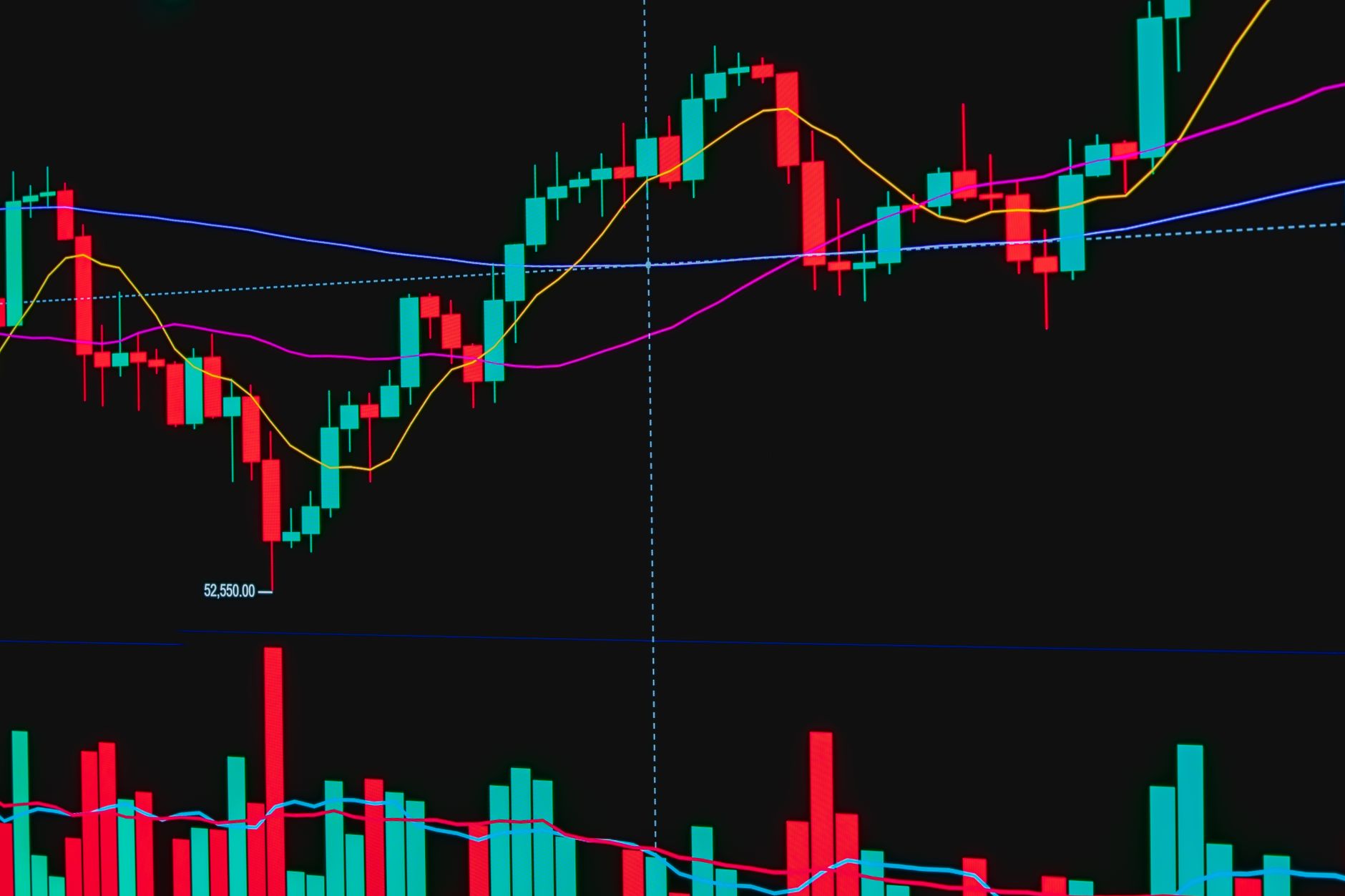
The contracts in question let users wager real money on questions such as whether a wildfire will break out in a specific region, how large it will grow, or when it will be contained. Prediction markets have exploded in popularity over the past two years, expanding well beyond their original niche in election forecasting into sports, weather, and now natural disasters.
Why Fire Experts Are Alarmed
Wildfire safety officials and researchers say the concern is not hypothetical. Unlike betting on elections or sports outcomes, wildfires can be deliberately caused by a single match or spark, and investigators have long struggled to prevent and prosecute arson-related blazes. Fire experts warn that if a market allows large payouts tied to a fire igniting in a particular area, it creates a direct financial motive for someone to set that fire, or to manipulate reporting about one that has already started.
That risk is compounded by the difficulty of policing who places bets and why. Prediction markets typically operate with pseudonymous or lightly verified accounts, making it hard to trace a wager back to someone who may have set a fire to cash in on it. Investigators note that arson is already a persistent problem during dry, high-risk fire seasons, and any added incentive — however small the population of bad actors — raises the stakes.
The concern echoes a case NarwhalTV covered recently involving a man charged with starting a wildfire in Spokane who had previously served prison time connected to his father’s death, underscoring how a small number of individuals with troubled histories can be responsible for devastating, life-threatening fires. Experts say betting markets tied to fire outcomes could give people with similar records new financial reasons to act.
What the Senators Are Asking For
The lawmakers behind the push are asking the CFTC, which oversees derivatives and swaps markets in the United States, to clarify whether wildfire-related betting contracts fall within its regulatory authority and whether they meet the legal standard of serving a legitimate hedging or risk-management purpose. Prediction market operators have generally defended their disaster-related contracts by arguing they allow insurers, utilities, and local governments to hedge financial exposure to wildfire risk, similar to how weather derivatives have functioned for decades.
Critics counter that publicly accessible, low-barrier betting apps are a different animal from institutional hedging instruments used by insurers. The senators’ letters reportedly ask platforms to detail their safeguards against manipulation, including whether they monitor for suspicious betting patterns that might signal advance knowledge of a fire, and whether they cooperate with law enforcement when a market outcome coincides with a suspected arson case.
Fire safety advocates argue that even a remote possibility of the contracts motivating arson is too great a risk given the destructive and often fatal toll of wildfires in dry regions across the West.
A Broader Regulatory Reckoning
The wildfire dispute is the latest example of prediction markets colliding with public policy as the industry grows faster than regulators can respond. Platforms such as Kalshi and Polymarket have already faced scrutiny over election-related contracts, and lawmakers in multiple states have raised concerns about markets tied to other sensitive events, including violence and public health crises.
The debate also arrives amid growing unease about how quickly speculative platforms can scale and then face abrupt backlash once regulators or the public catch on to unintended consequences. NarwhalTV recently reported on how fast fortunes can shift for fast-growing platforms, as seen when Roblox’s stock collapsed 70%, wiping out tens of billions in market value virtually overnight.
For now, prediction market operators have not announced plans to voluntarily pull wildfire contracts, and the CFTC has not issued a public response to the senators’ inquiry. Fire safety groups say they want the agency to act before the peak of wildfire season, when dry conditions across California, the Pacific Northwest, and other Western states make new blazes more likely and more dangerous.
What Happens Next
The senators have requested written responses from both the CFTC and the platforms within the coming weeks, a timeline that would put any regulatory decision squarely in the middle of the current wildfire season. Until then, the contracts remain live on platforms that offer them, leaving fire officials, lawmakers, and market operators at odds over whether betting on disaster is a legitimate financial tool or a dangerous invitation for harm.