Spain recorded 212 deaths linked to extreme heat over just four days during its latest heatwave, according to a report published by NDTV citing data from Spain’s Carlos III Health Institute. The figures rank among the highest short-term heat-related mortality counts the country has logged in recent years, underlining how deadly early-summer heat spikes have become across Southern Europe.
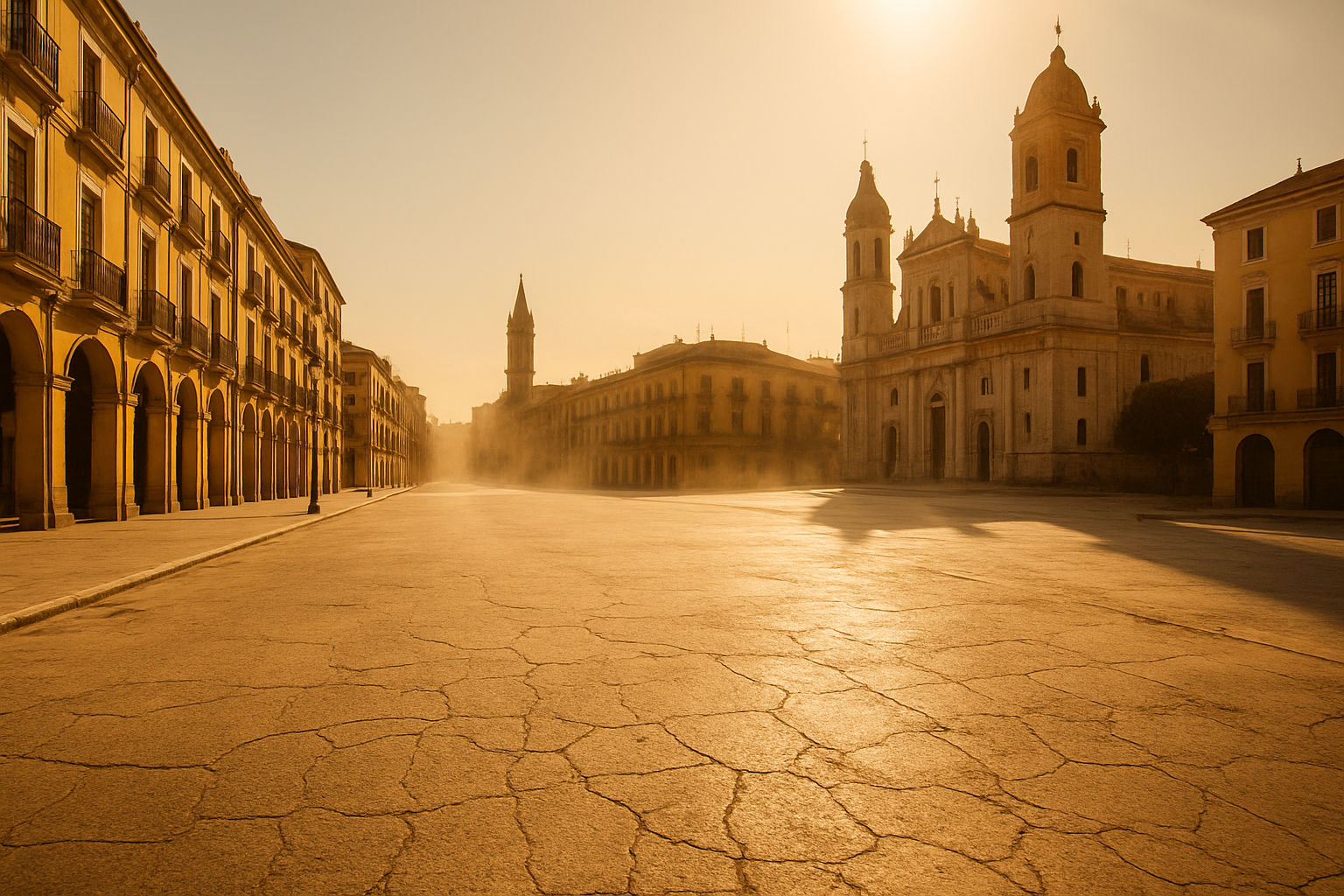
The deaths were recorded across a four-day window as temperatures soared well above seasonal averages in multiple Spanish regions. A detail not captured in the headline: the Carlos III Health Institute tracks heat mortality in near real-time using a national surveillance system called MoMo, which cross-references daily death registries with forecast temperature thresholds — meaning these 212 deaths represent confirmed excess mortality, not projections.
Which regions saw the sharpest toll from Spain heatwave deaths
Southern and central Spain bore the brunt of the heat event. Andalusia, Castile-La Mancha, and Extremadura — regions that regularly record Spain’s highest summer temperatures — reported disproportionately high casualty counts. Elderly residents living without air conditioning remain the most vulnerable group, and rural areas with limited emergency health infrastructure tend to see the worst outcomes when temperatures spike fast.
The MoMo system flagged the alert period as one of the most intense early-summer episodes in over a decade for some inland provinces, where afternoon temperatures broke local records for June.
Europe’s pattern of deadly summer heat
Spain is not alone. Extreme heat across Europe has become deadlier and more frequent since the catastrophic 2003 heatwave that killed an estimated 70,000 people continent-wide. A 2022 study published in Nature Medicine put Europe’s heat-related death toll for that single summer at more than 61,000 — with Spain, Italy, and Germany accounting for the largest shares.
Summer 2026 has brought early, intense heat to the Iberian Peninsula weeks ahead of the traditional July–August peak. Meteorologists have linked the pattern to a persistent high-pressure ridge over the western Mediterranean, which traps hot air from North Africa and drives temperatures to extremes before coastal sea breezes can moderate the inland heat.
For context on how governments are responding to accelerating climate pressures, geopolitical instability has also complicated Europe’s ability to coordinate on shared environmental policy — a tension playing out across multiple EU member states this year.
Why the 212 figure likely undercounts the real damage
Excess mortality figures from real-time surveillance systems like MoMo are considered conservative estimates. They capture deaths above the statistically expected baseline for a given period, but administrative lags, misattribution of cause, and deaths in unmonitored settings mean the final toll almost always rises when full data is reconciled weeks later.
After the 2022 heatwave, Spain’s initial MoMo counts were revised upward by roughly 15–20 percent once all regional death registries reported in. If that pattern holds for the current event, the true four-day toll could exceed 240.
Health authorities across Spain have urged residents — particularly those over 65, people with cardiovascular or respiratory conditions, and outdoor workers — to stay indoors during peak afternoon hours, hydrate consistently, and check on neighbors living alone. Several municipalities activated cooling centers in public buildings including libraries and sports halls.
Heat as a public health emergency, not just a weather event
Public health researchers have spent years pushing governments to treat extreme heat with the same institutional seriousness as cold snaps or flooding. Spain has a national Heat Health Action Plan that has been updated several times since 2004, but critics argue implementation at the local level remains uneven — particularly in smaller towns where social services are stretched thin.
The European Centre for Disease Prevention and Control (ECDC) has repeatedly highlighted heat as the deadliest weather-related hazard on the continent, responsible for more annual deaths than floods, storms, and wildfires combined. Its guidance calls for mandatory national heat-health plans with dedicated funding, rapid-response protocols, and public alert systems tied directly to meteorological forecasts.
Separately, cuts to social safety nets in several countries have raised concerns about whether the most economically vulnerable populations — who often lack air conditioning and live in poorly insulated housing — can access the resources they need during life-threatening heat events.
Spain’s next steps as the summer peak approaches
Spain’s State Meteorological Agency (AEMET) has forecast continued above-normal temperatures through the first week of July, with some models showing another high-pressure event building over the peninsula by late June. That means emergency health services will remain on elevated alert, and the 212-death toll from this first major heatwave of 2026 could be compounded before the season reaches its traditional mid-summer peak.
The Carlos III Health Institute is expected to release updated excess mortality figures within days, which will give a clearer picture of how the four-day event compares to previous heat episodes on record.