The Los Angeles Times published its full review of Supergirl on June 24, 2026, landing a verdict that is equal parts affectionate and brutal: the film is a “hot mess,” but one with enough anarchic energy to suggest the DCU’s new era has a pulse. Director Craig Gillespie — the Australian filmmaker behind I, Tonya and Cruella — brings his signature taste for chaos, and star Milly Alcock swings hard enough to make you forgive a lot.
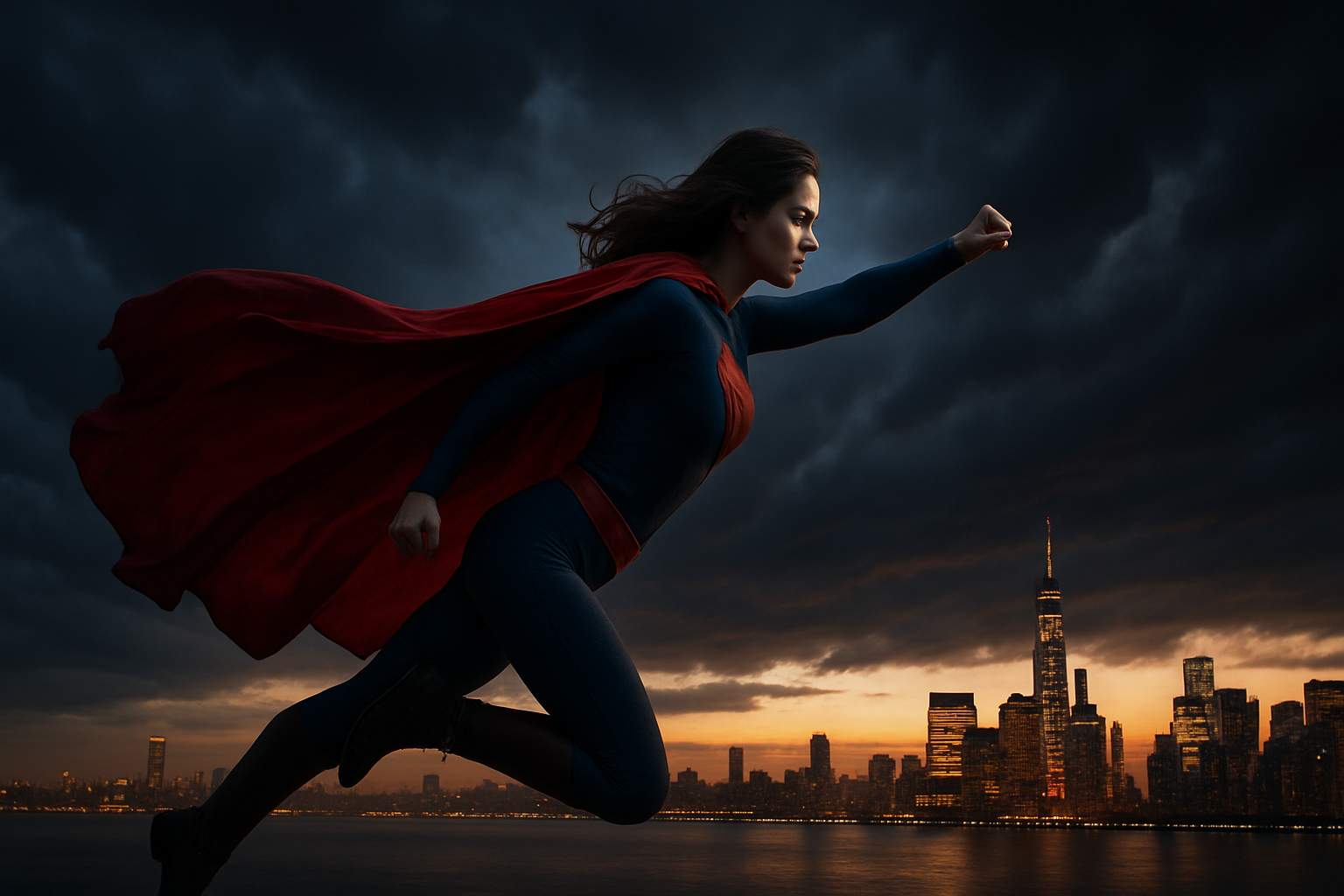
The single most surprising detail buried in the review: the film’s main antagonist is not an alien warlord or a god-level threat, but a threat rooted almost entirely in earthbound political intrigue — which the Times calls the script’s central weakness. For a movie about a Kryptonian flying through the cosmos, it turns out the biggest drama happens in rooms that look suspiciously like government briefing chambers.
What Milly Alcock Does With Kara Zor-El
Alcock, best known as young Rhaenyra Targaryen in House of the Dragon, carries the film on sheer force of presence. The Times review notes she gives Kara a rawness and physical authenticity that distinguishes her from the polished heroics of the broader DCU. Where previous superhero debuts have leaned on wide-eyed wonder, Alcock plays Kara as genuinely pissed off — a refugee processing grief through combat, which tracks with the character’s comics history as someone who remembers Krypton burning while her cousin Kal-El was too young to feel the loss.
That emotional specificity is the film’s strongest card. The Supergirl review praises Alcock’s ability to make even the clunkier expository scenes feel lived-in, even when the screenplay — credited to a writing team working under James Gunn’s DCU blueprint — forces her to stop and explain mythology that the audience could have pieced together on its own.
Jason Momoa and the Film’s Tonal Tug-of-War
Jason Momoa appears in a supporting role that the Times describes as deliberately scene-stealing, and by most accounts he succeeds — almost too well. His energy clashes entertainingly with Alcock’s grounded performance, which is either the film’s most compelling dynamic or its most destabilizing one depending on your tolerance for tonal whiplash. The review leans toward the latter reading, suggesting that every time Momoa is on screen the movie briefly becomes a different, louder film.
David Corenswet’s Superman also appears, anchoring a third-act sequence that the Times calls crowd-pleasing but structurally convenient — a cameo that functions more as DCU universe-building than narrative necessity.
Gillespie’s Direction vs. a Script That Stays Grounded
Craig Gillespie’s direction is consistently the review’s biggest point of praise. His camera work keeps the action kinetic without descending into the gray-blur CGI soup that plagued earlier DC entries, and there are at least two flight sequences the Times singles out as genuinely exhilarating. The problem, the review argues, is that Gillespie’s instincts as a director are космically larger than what the screenplay asks him to do.
The too-terrestrial plot critique is specific: the conflict driving the film’s second act revolves around institutional power struggles and a shadowy human organization, rather than the scale of interstellar threat that Kara’s backstory implies. It keeps the budget manageable but deflates the mythology. A character who survived a planet’s destruction deserves an antagonist who matches that register — and this script does not deliver one.
For DCU fans tracking the broader arc of James Gunn’s universe, the film does meaningful setup work. It establishes Kara as a hero operating independently of Superman’s shadow, which the comics have always argued is essential to the character’s identity. Whether that independence translates into a compelling standalone story is where the Supergirl review hedges.
Is the “Hot Mess” Label Fair?
The Times‘ framing — rowdy spirit, terrestrial plot — reflects a specific kind of superhero film failure: one that gets the character right and the story wrong. It is a more forgivable sin than the reverse. Audiences can survive a messy plot if the person at the center of it earns their investment, and Alcock’s performance appears to do exactly that.
Early audience tracking heading into the film’s wide release suggests strong interest among the 18–34 demographic, the exact audience that followed Alcock from Westeros. Whether the Supergirl review consensus holds or softens after opening weekend will likely depend on whether casual viewers share the Times‘ script frustrations or simply enjoy watching Alcock punch things at supersonic speed for two hours.
For context on just how crowded the 2026 streaming and theatrical superhero space has become, Gerard Butler’s Greenland 2 has been dominating Prime Video this month — a reminder that audiences are clearly not suffering from blockbuster fatigue, only bad-blockbuster fatigue.
The DCU’s next confirmed theatrical release is still months away. If Supergirl opens strong, Gunn’s team will have proof that a flawed film can still launch a franchise — provided the lead actor is worth building around. Based on this review, Milly Alcock is exactly that.