A diarrhea-causing parasite called Cyclospora cayetanensis is sickening people across several U.S. states this summer, CNN reported on July 3, 2026, citing health officials and a pattern of cases tied to contaminated raw produce. The outbreak is tracking closely with the parasite’s seasonal spike — Cyclospora infections historically surge between May and August, when fresh herbs, berries, and leafy greens are at peak consumption.
What makes this particular parasite unusually cruel: symptoms don’t appear until one to three weeks after exposure, meaning most people have no idea what they ate that made them sick. By the time the watery, sometimes explosive diarrhea begins, the contaminated food is long gone — and often impossible to trace.
What Cyclospora actually does to your body
Cyclospora is a microscopic, single-celled parasite that infects the small intestine. Beyond the signature diarrhea, infected people typically experience stomach cramps, nausea, fatigue, and a loss of appetite that can drag on for weeks if left untreated. Some patients describe cycles of feeling slightly better followed by a return of symptoms — a pattern that often delays diagnosis because people assume they’re dealing with a standard stomach bug.
The infection is not contagious person-to-person. You can only get it by consuming food or water contaminated with Cyclospora oocysts — the microscopic egg-like form the parasite uses to spread. That means clusters of cases almost always point back to a shared food source, which is why public health investigators focus heavily on what patients ate in the two weeks before they fell ill.
Unlike many foodborne pathogens, Cyclospora is not killed by standard produce-washing under tap water. The oocysts are resilient enough to survive a quick rinse, which is part of why fresh herbs — cilantro in particular has been implicated in past U.S. outbreaks — are a recurring vector. Cooking the produce thoroughly does eliminate the risk, but that’s cold comfort when the item in question is a salad.
Which states are seeing cases and what produce is under scrutiny
Health officials have identified cases spreading across multiple states, with investigations ongoing to pinpoint specific food items responsible for the current wave. Cyclospora outbreaks in the U.S. have repeatedly been linked to imported fresh produce, particularly from regions in Central America and Mexico where the parasite is more endemic. The CDC tracks Cyclospora infections nationally and coordinates with state health departments to identify common exposure sources.
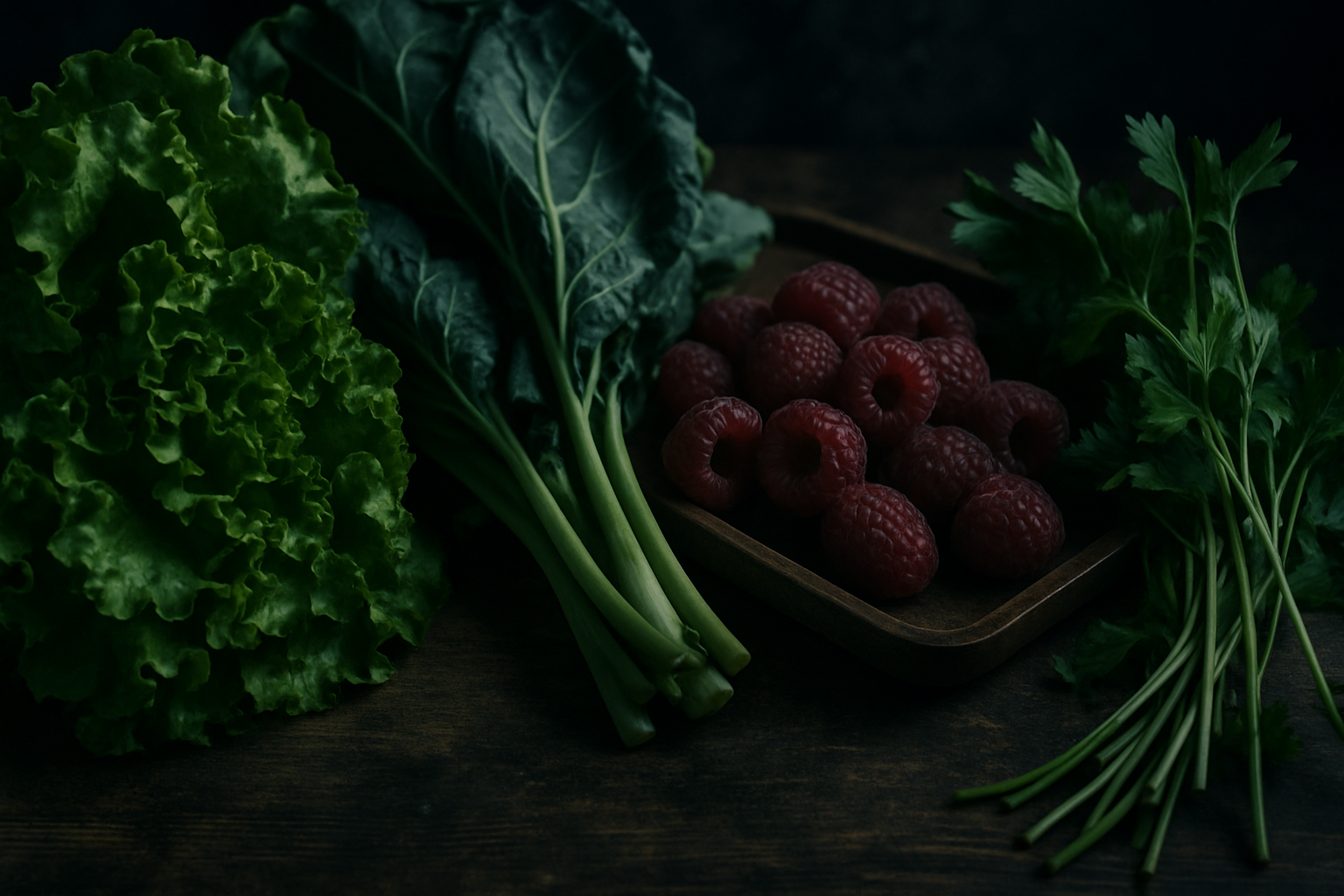
Fresh basil, pre-washed salad mixes, snow peas, and raspberries have all appeared in previous outbreak investigations. Investigators this summer are working to narrow down whether a single product or multiple items are driving the spread across state lines — a process that takes weeks because of the parasite’s long incubation window.
The affected states have not all been publicly named as of early July, but case counts are high enough that the CDC and FDA are both engaged. That level of federal involvement typically signals the outbreak has crossed a threshold investigators consider a public health priority.
How to protect yourself right now
If you’re buying raw produce this summer — especially fresh herbs, berries, or bagged salad greens — food safety specialists recommend a few concrete steps:
- Rinse, but don’t rely on rinsing alone. Washing produce under running water reduces surface contamination from many pathogens but won’t reliably eliminate Cyclospora oocysts.
- Check for outbreak updates. The FDA posts advisories when a specific product is linked to an active investigation. Check fda.gov/food/outbreaks-foodborne-illness before buying pre-packaged salads or imported herbs.
- See a doctor if symptoms persist past a few days. Most stomach bugs resolve on their own in 48–72 hours. Cyclospora infections typically don’t — and they respond well to a specific antibiotic called trimethoprim-sulfamethoxazole (TMP-SMX). Without a diagnosis, patients often go untreated for weeks.
- Tell your doctor what you’ve eaten. Cyclospora requires a specific stool test that isn’t part of a standard panel. If you’ve eaten raw produce and have prolonged diarrhea, ask explicitly for Cyclospora testing.
People with weakened immune systems — including those living with HIV, cancer patients on chemotherapy, and organ transplant recipients — face a higher risk of severe or prolonged infection and should be especially cautious with raw produce sourced from regions where the parasite is common.
Why summer keeps delivering these outbreaks
Cyclospora’s seasonal pattern is well-documented but still not fully explained. Researchers believe warmer, wetter conditions in growing regions promote the survival and spread of oocysts on produce, and summer is peak season for the fresh fruits and vegetables most likely to carry it. The U.S. imports a large volume of fresh produce year-round, but consumption spikes in summer — more salads, more fresh herb use, more raw fruit — which amplifies exposure risk even if contamination rates stay roughly constant.
Past outbreaks have triggered multistate investigations that took months to resolve. The 2018 outbreak was eventually linked to McDonald’s salads and affected hundreds of people across more than a dozen states before the product was pulled. That case demonstrated how quickly a single contaminated supply chain can scatter cases across the country before anyone connects the dots.
For anyone thinking about how food supply disruptions ripple outward, this outbreak is a reminder that the fresh produce supply chain — with its tight margins and fast turnaround — is one of the hardest systems to monitor for microscopic biological threats. Investigators are expected to release more specific product information in the coming days as laboratory testing narrows the source.