A voting machine company has settled its $1 billion defamation suit against MyPillow CEO Mike Lindell, ABC News reported on July 6, 2026, ending one of the most high-profile post-2020 election litigation battles in the country. The terms of the settlement were not disclosed publicly.
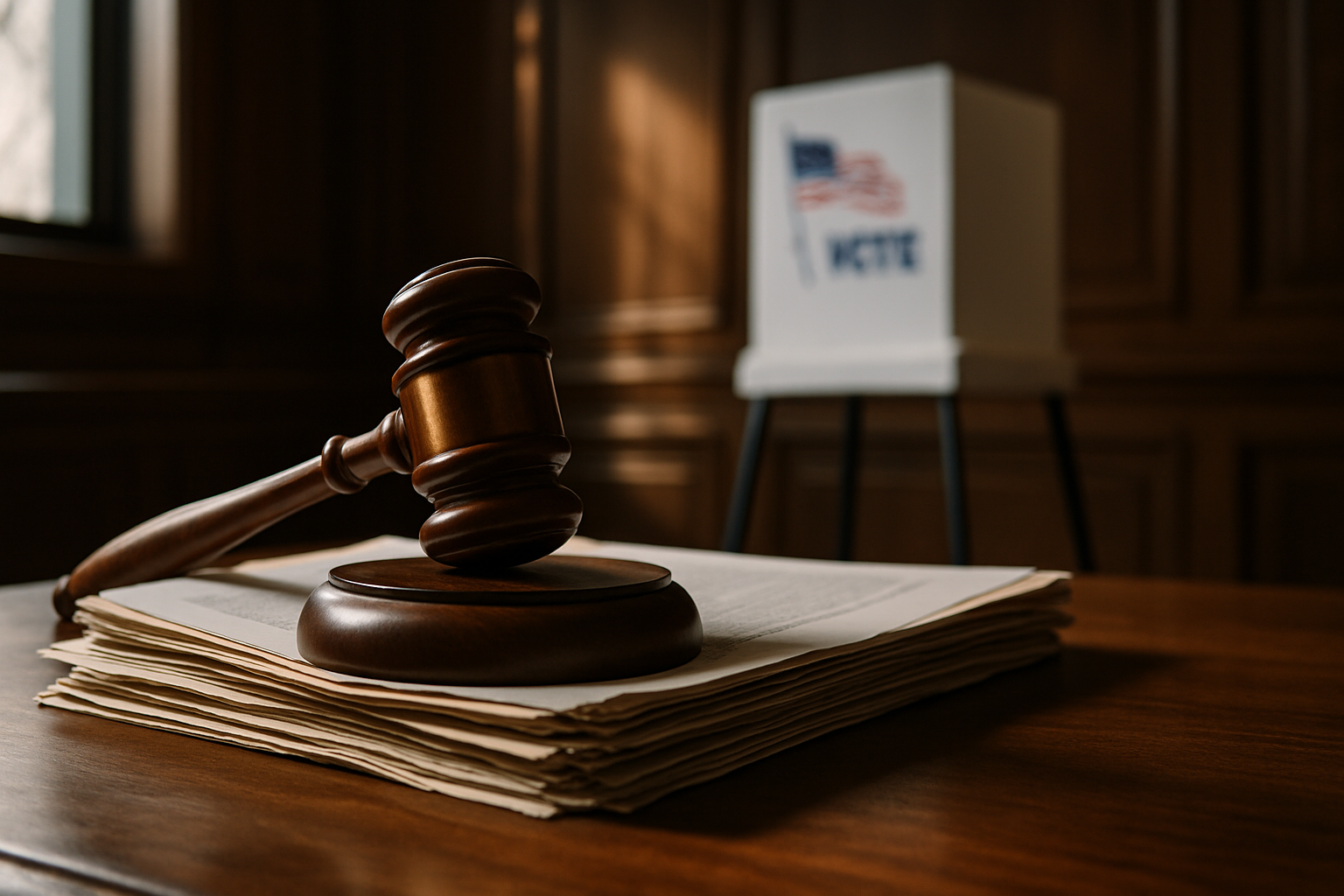
The lawsuit had been filed against Lindell over statements he made claiming the company’s machines were used to manipulate the results of the 2020 presidential election — allegations that courts and election officials across the country consistently rejected as false. The case had been working its way through federal court for years before both parties agreed to resolve it outside of a verdict.
How the $1 Billion Figure Was Reached
The $1 billion demand was not arbitrary. The company argued that Lindell’s repeated, nationally amplified claims — broadcast through his own media platform, Frank Speech, and promoted via MyPillow’s enormous marketing reach — caused direct, measurable harm to its business reputation and revenue. Lindell used his company’s advertising budget to fund and distribute much of the election-related content, blurring the line between personal crusade and corporate promotion in ways the suit argued made MyPillow itself a vehicle for the defamation.
That detail — that MyPillow’s ad spending was tied directly to spreading the contested claims — was central to the plaintiff’s legal theory and distinguished this case from suits targeting Lindell as a private individual alone.
The voting machine defamation suit was one of several massive legal actions brought by election technology firms in the aftermath of the 2020 election cycle. Fox News settled a separate $787.5 million defamation suit brought by another voting technology company in 2023. Lindell’s case proceeded more slowly, in part due to disputes over discovery and his public claims of financial difficulty.
Lindell’s Financial Position Complicated the Case
Throughout the litigation, Lindell repeatedly stated he was running low on funds to mount a defense, at one point saying he had spent tens of millions of dollars on legal fees and election-related activism. His claims of near-insolvency raised questions about whether a billion-dollar judgment could ever realistically be collected — which legal analysts say likely factored into both sides’ calculus when weighing a settlement against a drawn-out trial.
MyPillow itself faced financial turbulence during the same period, losing retail distribution deals at major chains after Lindell’s public statements drew consumer backlash. The company shifted heavily toward direct-to-consumer sales through Lindell’s own media outlets.
For the voting machine company, a settlement — even one without a disclosed dollar amount — closes a chapter of uncertainty and avoids the risk of a jury trial with unpredictable outcomes. It also removes the reputational cost of years of continued, public litigation.
What Happens to the Underlying Election Fraud Claims
A settlement does not constitute a legal finding that either party’s claims were true or false. Lindell has not, as part of any known settlement terms, been required to retract his statements publicly — though the agreement almost certainly contains confidential conditions governing future conduct. Election misinformation lawyers following the case note that without a public judgment on the merits, the settlement offers less legal precedent than a full verdict would have.
Still, the resolution adds to a growing body of outcomes — settlements, judgments, and retractions — that have financially penalized those who publicly amplified false election fraud claims targeting specific companies. The pattern has had a measurable chilling effect on how media organizations and public figures discuss election technology, according to First Amendment attorneys who have tracked the litigation wave.
Lindell has not issued a detailed public statement on the settlement as of this reporting.
A Broader Reckoning for Election Misinformation
The defamation lawsuit against Lindell was always about more than one man’s statements. It was a test of whether private companies could use civil litigation to hold individuals and organizations financially accountable for spreading election misinformation at scale. The answer, across multiple high-profile cases now, appears to be yes — at least to the extent that defendants have chosen settlement over the risk of a public verdict.
The wave of accountability measures reshaping institutional behavior extends well beyond food labeling or corporate policy — it now includes how public figures calculate the financial risk of making contested factual claims about election infrastructure on national platforms.
Whether settlements without disclosed terms truly deter future election misinformation remains an open question. The next test may come from cases still pending against other commentators and outlets who made similar claims in 2020 and beyond. Those defendants are now watching what Lindell’s resolution cost him — even if the public never learns the exact number.