Game designer Hideo Kojima — creator of Metal Gear Solid and Death Stranding — has spoken out about Sony’s plan to stop producing PlayStation physical discs in 2028, warning in an interview covered by Video Games Chronicle that the consequences reach well beyond gaming and directly threaten how people access films on streaming platforms.
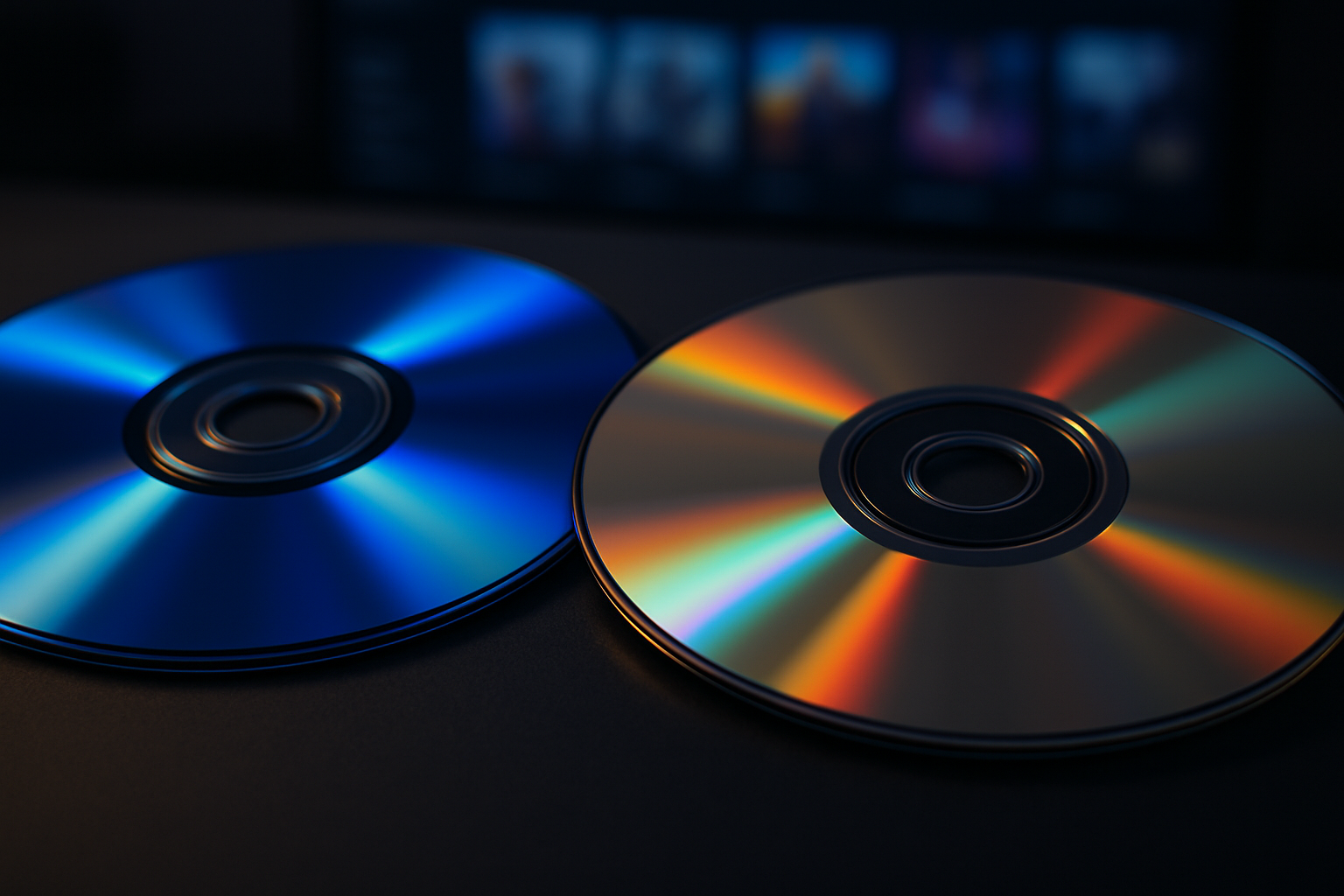
The non-obvious detail buried in his comments: Kojima is actively stockpiling Blu-rays and CDs right now, treating physical discs as an archive against a future he considers genuinely frightening — not hypothetical.
“Since production is ending in 2028, this is about video games, but I grew up with physical media, so I find it really sad. Currently, I’ve been buying up a lot of Blu-rays, such as various movies, and CDs too.”
The “tap” metaphor that reframes streaming
Kojima draws a sharp distinction between downloading a game to a hard drive — where the data lives on your own hardware — and streaming, where you never actually hold the content at all. His analogy cuts through the usual fine print that most subscribers ignore.
“With streaming subscription services, like Netflix or Amazon, there is a server somewhere, and you essentially just have the right to turn the tap, and when you do, the data flows out. You don’t download the data, you access it directly through a subscription. And the consequence of that is that you don’t actually possess the data yourself.”
That framing matters because it redefines what a Netflix or Amazon subscription actually is: not a library card, but a temporary valve. The water in the pipe belongs to someone else entirely.
Why politics and “ways of thinking” make this more than a tech problem
Kojima’s sharpest concern isn’t a company going bankrupt or a licensing deal expiring — both of which have already caused films to vanish from platforms. He points to something broader: the political and national pressures that could cause a server operator to stop distributing content altogether.
“With nations, politics and various ways of thinking, one naturally has to consider the possibility that if there is a change, the data inside will stop being distributed. And if that happens you won’t be able to watch or play the movies and games you like.”
This isn’t an abstract scenario. Streaming catalogs already differ dramatically by country, and geopolitical shifts have previously led to content being pulled from entire regions without warning. Kojima is simply connecting those dots to their logical end for physical media ownership.
He closed with a direct challenge to audiences: “What is happening to video games in 2028, might also happen to movies. I’d like everyone to keep that in mind.”
Sony’s disc end date and what it means for collectors
Sony’s decision to wind down physical disc production by 2028 reflects a broader industry push toward all-digital hardware. The PlayStation 5 already shipped in a disc-free edition, and several game publishers have quietly stopped pressing physical copies of major releases. Once disc production ends, the secondary market for physical games — and the consoles that read them — faces a hard ceiling.
For film fans, the parallel is the gradual retreat of physical Blu-ray retail. Major chains have cut shelf space, and several studios have reduced or eliminated 4K UHD releases for smaller titles. The infrastructure for physical media ownership is shrinking on both fronts simultaneously.
Kojima’s own buying spree is, in effect, a hedge. He is treating a Blu-ray disc the way a previous generation treated a paperback book: something no server outage, licensing dispute, or policy change can take away from a shelf.
Streaming removals are already a documented pattern
The concern isn’t theoretical. Warner Bros. Discovery removed dozens of films and series from Max in 2023 and 2024, some without any physical or digital purchase alternative. Disney has pulled films from Disney+ with little notice. In each case, subscribers who thought they were “watching” those titles discovered they were renting access, not owning anything.
For a generation that has migrated almost entirely to streaming, that distinction has rarely felt urgent — until the content disappears. Kojima’s warning is that the Sony disc announcement should make it feel urgent now, before 2028 arrives and the last fallback option closes.
If you want to future-proof your media library against the tap being shut off, the window to do it — at least in physical form — is narrowing fast. Retailers still carry Blu-rays and 4K discs, but the window Kojima is describing has a closing date attached to it.
For more on how digital access shapes what you can keep, see our look at how California is pushing back against expiration-driven waste — a different domain, but the same underlying tension between access and permanence. And if you want a reminder of what physical media preservation actually looks like in practice, the 35th anniversary of Terminator 2 offers a case study in what gets lost when restoration work isn’t archived properly.
Kojima’s next project, Death Stranding 2, ships on PlayStation 5 — a platform that will still read discs for now. By his own 2028 estimate, that window is shorter than it looks.